On a Tuesday evening in August, the parking lot at the Kirk of Bonnie Brae fills the way it has all summer. Two savory trucks angle nose to tail along the asphalt, a third sells something sweet, and somewhere near the folding tables a card table takes cash for beer and wine at seven dollars a cup, money that goes straight into the church's own ministry budget because no outside alcohol is allowed on the lot. Neighbors who live three streets over walk their dogs in for dinner. Kids run between the trucks while a band sets up an amp on the sidewalk. Nobody who lives in Cory-Merrill thinks this is unusual, because for this neighborhood, it is the only version of a town square that has ever existed.
The summer run of these food truck nights just wrapped for the year, as it does every year once August ends. What's easy to miss, if you've only lived here a season or two, is that the ending doesn't actually change anything. The neighborhood's real social calendar was never anchored to a single street of shops in the first place. It's anchored to whichever borrowed venue happens to be hosting that month, and right now the baton is passing from a church parking lot to a 130-year-old telescope two miles north.
The Neighborhood That Skipped a Downtown
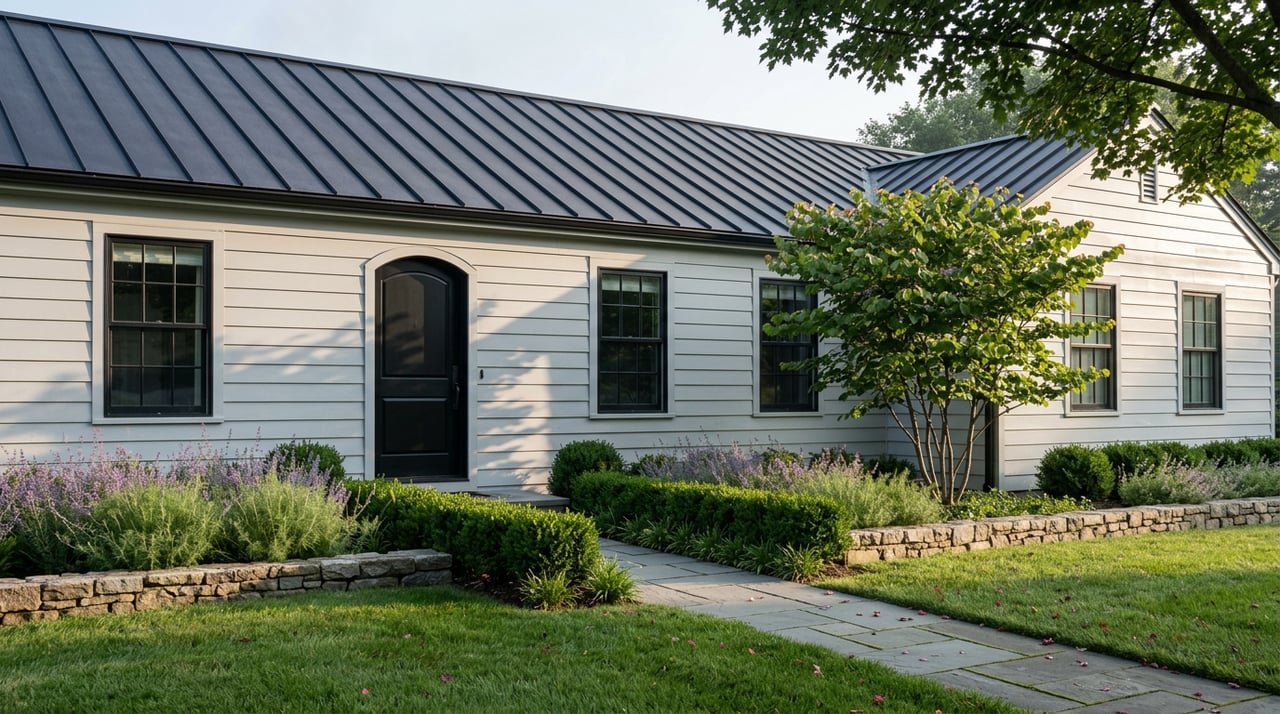
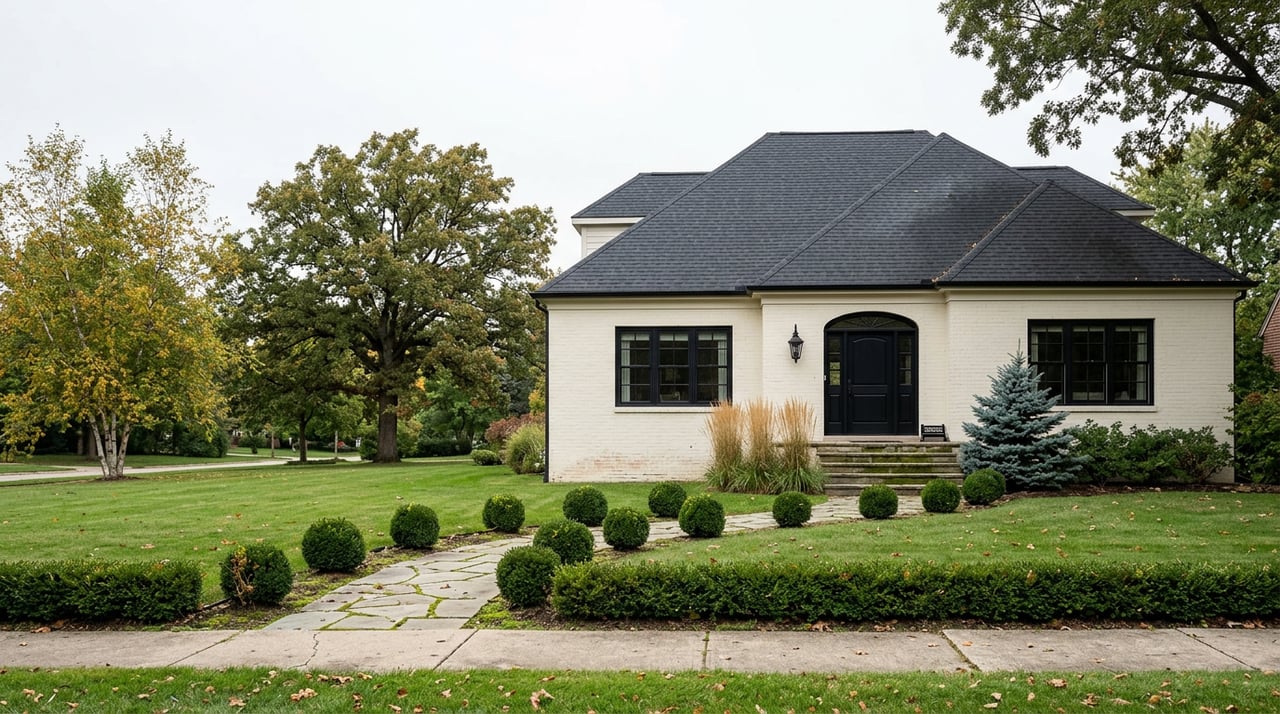
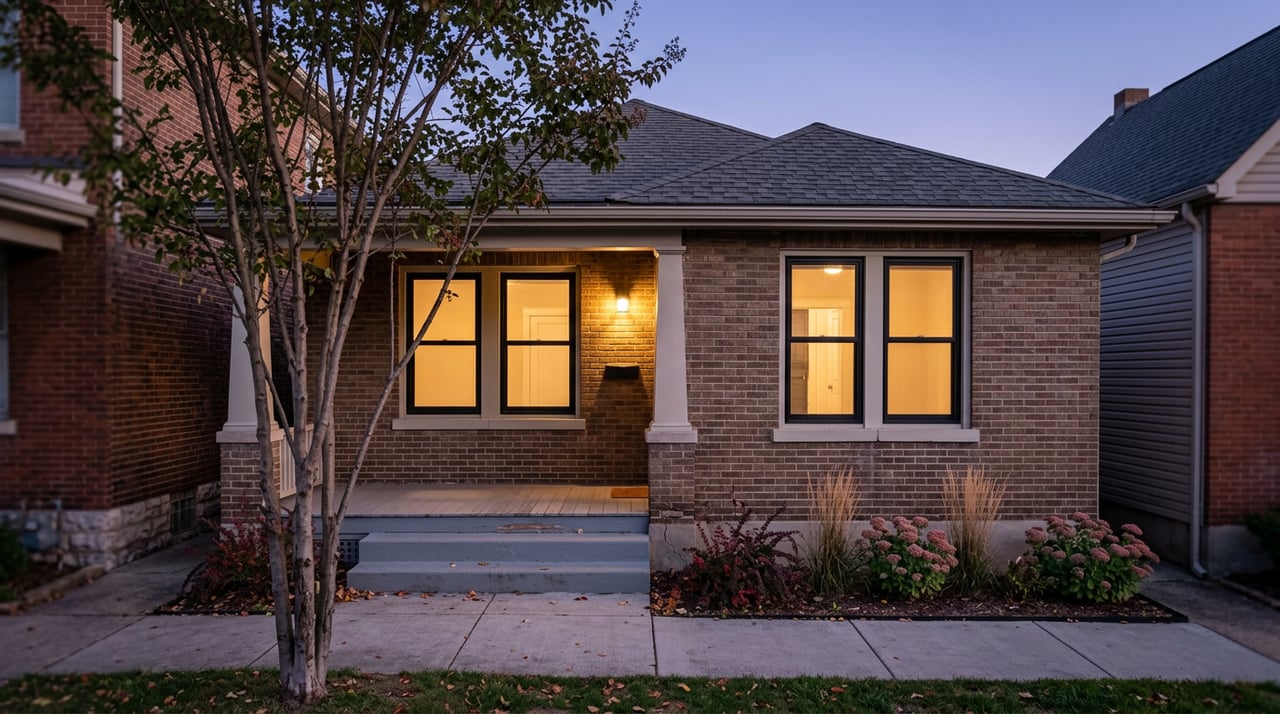
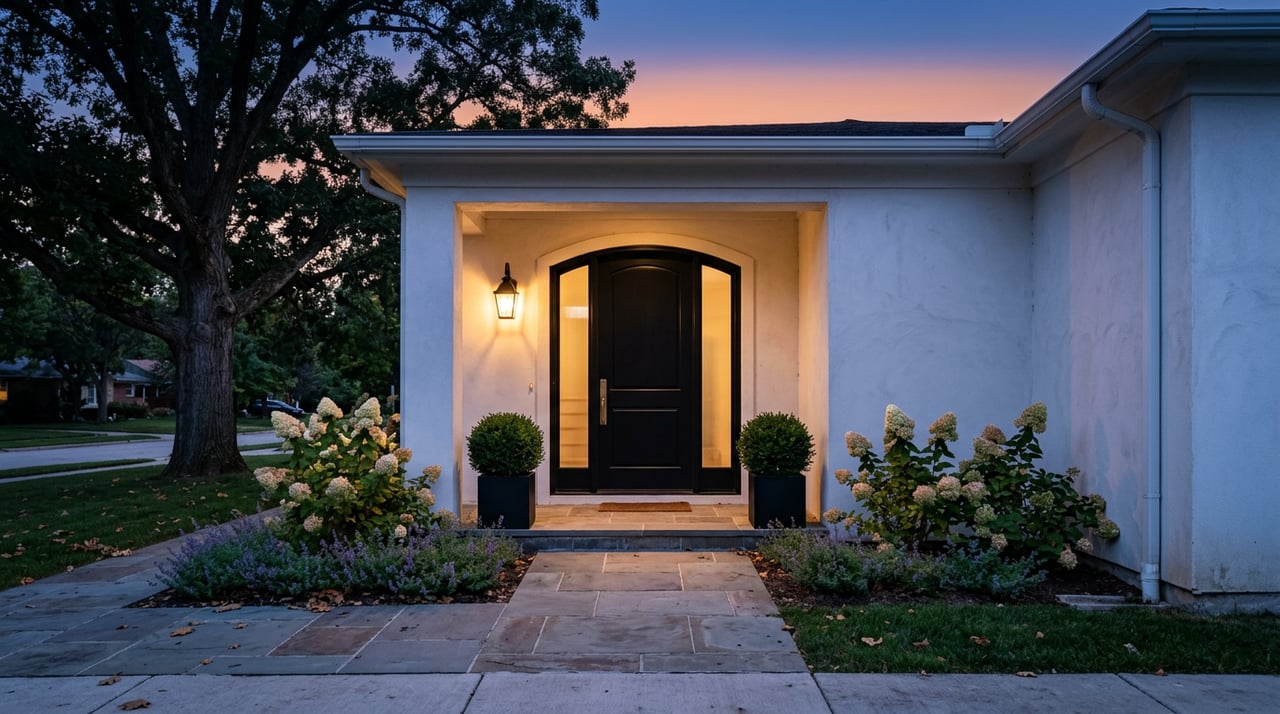
Cory-Merrill sits inside a tight, deliberate box: University Boulevard on the west, Mississippi Avenue on the north, Colorado Boulevard on the east, and I-25 on the south. Within that box there is almost no retail. The postwar builder who filled these blocks, Les Tremblay, was putting up compact houses for returning veterans, not storefronts, and the pattern held. Drive the interior streets today and you'll find brick ranches, Tudors, and the newer custom builds that have replaced them, but you won't find a coffee shop, a bar, or a bakery that sits inside the neighborhood's own boundary lines.
That's a different setup than a lot of the neighborhoods around it. South Pearl Street gives Wash Park West a walkable food corridor. Twelfth and Madison does the same for Congress Park. Cory-Merrill skipped that step entirely, and the result is a neighborhood that has to build its community life out of whatever it can borrow from next door.
Tuesdays at the Kirk
The clearest example is the food truck series itself. The Cory-Merrill Neighborhood Association runs it, but the venue belongs to someone else. The Kirk of Bonnie Brae Church, at 1201 S. Steele Street, hosts the trucks in its own parking lot on a biweekly Tuesday schedule that runs from May through August, service typically stretching from about 5:30 to 7:30 in the evening. The lineup rotates between savory trucks, a sweet truck, and occasionally something outside the food category entirely, alongside live music guests booked for the season. The church sells the drinks itself, at that flat seven-dollar rate, specifically to fund its own programs, which means the neighborhood's most popular recurring gathering is, structurally, a fundraiser for an institution that has nothing to do with the neighborhood association hosting it.
The parking lot isn't Cory-Merrill's. Neither is the beer money. The only thing that actually belongs to the neighborhood is the crowd.
When the Trucks Pack Up, the Sky Opens Its Doors
As the Tuesday nights end for the season, the other half of Cory-Merrill's calendar picks up exactly where the food trucks leave off, and it runs on an even longer institutional loan. Chamberlin Observatory sits inside Observatory Park just north of the neighborhood, owned and operated by the University of Denver but staffed almost entirely by the volunteers of the Denver Astronomical Society. The building holds a 20-inch Alvan Clark-Saegmuller refractor telescope installed in 1894, and public viewing through that instrument has continued, with only the expected interruptions, since that first year. The Denver Astronomical Society has carried the tradition specifically since 1949.
Two formats run through the fall. Public Nights happen on Tuesday and Thursday evenings, require a reservation, and open with a multimedia lecture before the crowd moves to the telescope itself. Open Houses happen roughly once a month on a Saturday at dusk, need no reservation, and cost a two-dollar donation, waived for society members and DU students, with members setting up smaller telescopes on the lawn for anyone who shows up without one. Because these sessions start at dusk rather than a fixed clock time, the Saturday sessions creep earlier through September and October, which quietly makes them workable for families who couldn't manage a nine o'clock start in June. The Denver Astronomical Society runs more than 145 of these outreach events across a typical year, which is a lot of programming for an organization that owns no building of its own and operates entirely out of a university's back lawn.
The Regulars, Scattered Across Three Zip Codes
The same borrowing pattern shows up in where people actually eat. Cory-Merrill has no restaurant row, so the regulars fan out in three directions. Devil's Food Bakery draws a morning crowd for pastries and coffee, and its floral and cake arm, Fern & Lois, handles the neighborhood's birthdays and showers. Homegrown Tap & Dough sources its pizza ingredients from Colorado and neighboring states. Wash Park Grille strings lights along its patio for happy hour and live music nights. Bronze Empire runs a hot pot menu the neighborhood treats as a genuine occasion. Jaya Asian Grill covers the weeknight standby slot. A Cheerful Cup handles the daily caffeine run. Thai Pot Cafe sits just across South Colorado Boulevard, technically inside Virginia Village rather than Cory-Merrill itself, which is true of more of this list than most residents realize.
Old South Gaylord Street and the Bonnie Brae shops, including the neighborhood's favorite ice cream stop, sit an easy walk or short drive from the interior blocks. None of it is inside Cory-Merrill's own four boundary streets. All of it is close enough that nobody minds.
One Weekend a Year, Every Garage Opens at Once
The neighborhood association's other signature event runs on the opposite instinct, pulling everyone inward instead of sending them out. Each spring, the weekend after Mother's Day, Cory-Merrill hosts a neighborhood-wide yard sale that spans the full grid between University, Colorado, Mississippi, and I-25. Dozens of households participate at once, some listing items in advance on the community classifieds site gsalr.com, and about a fifth of the sales run through alley access rather than the front yard, which is its own small piece of local knowledge for anyone walking the sale for the first time. It's the one weekend the neighborhood's lack of a shared commercial space stops mattering, because for two days the entire grid functions as one.
The Sailing School That Has No Lake
The clearest proof of the pattern sits quietly on one of Cory-Merrill's residential blocks. The Victoria Sailing School, reportedly Colorado's oldest and largest, has operated out of the neighborhood for nearly four decades, founded by Captain James Cook and now run by his daughter and son-in-law. The school teaches sailing at four different reservoirs around the metro area, none of them anywhere near Cory-Merrill, and even offers an ocean-based course that departs from Marina del Rey. A landlocked residential neighborhood with no water of its own is home to a sailing institution that teaches everywhere except here.
That's the throughline. The food trucks belong to a church. The telescope belongs to a university. The restaurants belong to Bonnie Brae and Virginia Village. The sailing school teaches on someone else's reservoirs. Cory-Merrill doesn't generate its own gathering places so much as it borrows all of them, and the arrangement turns out to be sturdier than a single commercial strip would be. If a shop on Colorado Boulevard closes, or the Kirk needs a new roof, the sky above Observatory Park doesn't go anywhere, and neither do the reservoirs.
If you're weighing what a home on one of these blocks is actually worth this fall, that kind of texture matters more than a portal's algorithm can capture. Shelby Richardson works this stretch of southeast Denver block by block, and a free home valuation is a good place to start the conversation, whether you're staying put for the next food truck season or thinking about what comes next.