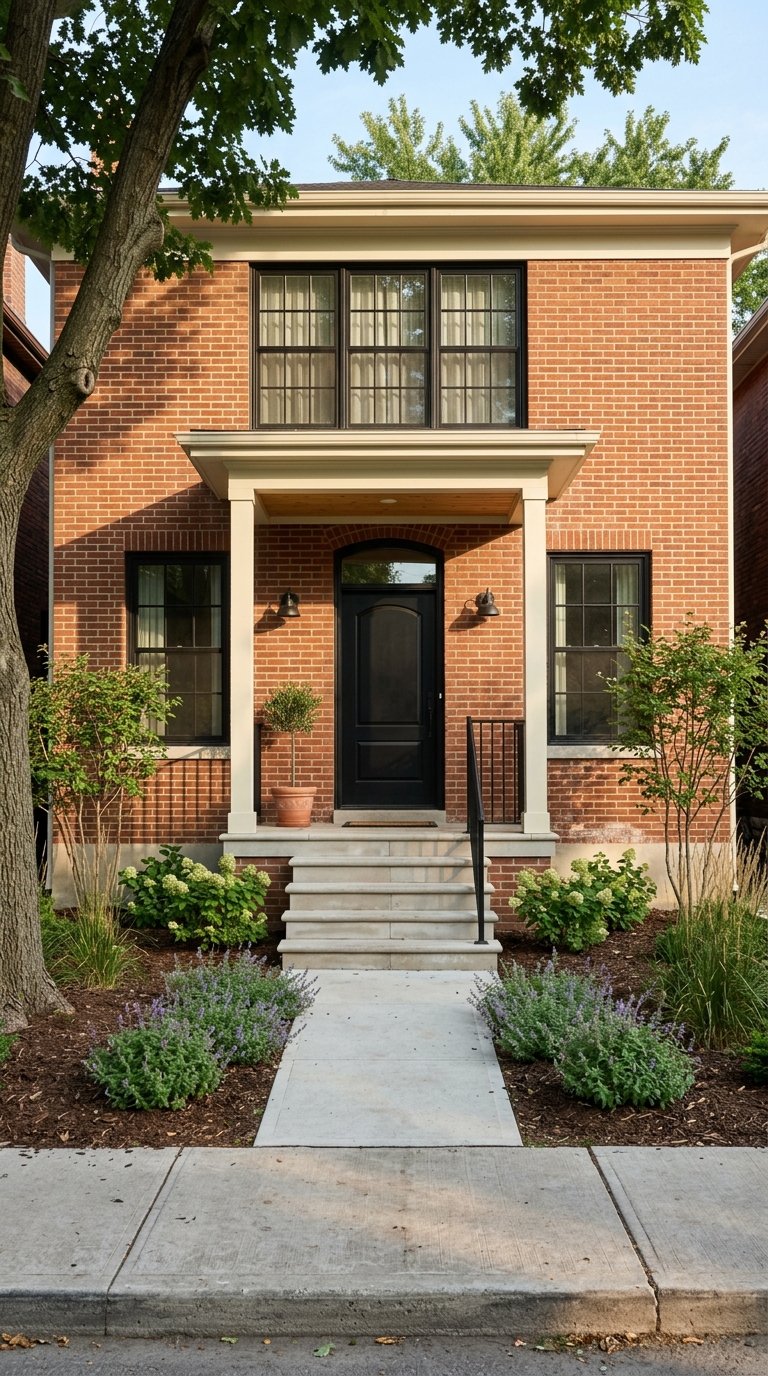
Looking for a Denver neighborhood that gives you historic character and an easy path to downtown? Highlands and LoHi stand out for exactly that reason. If you want walkable streets, distinctive homes, and a daily routine that can include coffee runs, dinner out, and quick city access, this area deserves a close look. Let’s dive in.
Why Highlands and LoHi Feel Different
Highlands and LoHi are best understood as connected northwest Denver subareas, not one rigid neighborhood with a single identity. The broader Highlands area began as a separate city in 1875 before it was annexed to Denver in 1896, which helps explain why the neighborhood still feels distinct today.
That layered history shows up in the street patterns, architecture, and overall character. In practical terms, you get a part of Denver that feels rooted and established, while still offering a strong connection to the energy of the city.
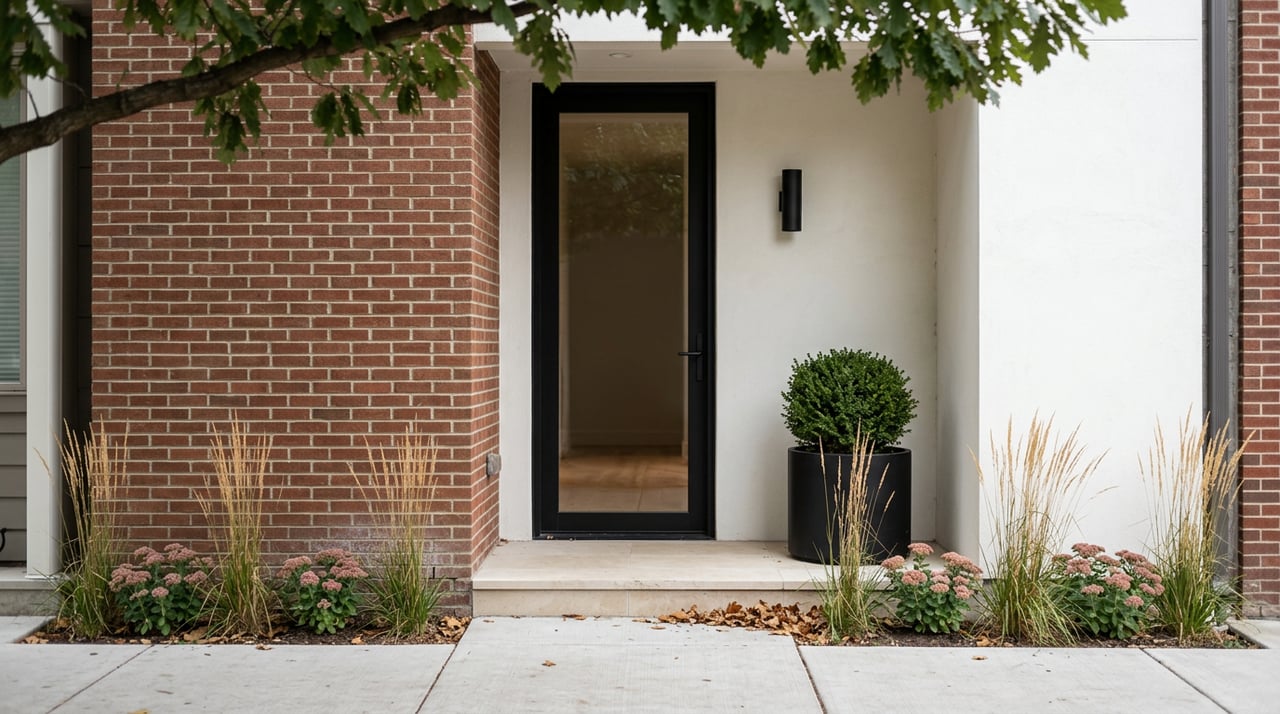
LoHi, which sits closest to downtown, tends to feel more urban and newer. It is known for its mix of older buildings and ultra-modern architecture, along with views toward downtown and the Highland Bridge. If you like a more city-forward vibe, LoHi often delivers that first impression.
Historic Character Shapes the Area
One of the biggest reasons buyers are drawn to the Highlands is the housing character. The area developed over multiple phases, and Denver’s landmark guidance notes especially strong historic development from the late 1800s through the mid-1940s.
In Potter Highlands, you see a wide mix of architectural styles that give the neighborhood visual depth. Common styles include Queen Anne, Craftsman Bungalow, Classic Cottage, Colonial Revival, Dutch Revival, Mission, and Prairie. That variety makes home shopping here feel very different from touring a neighborhood built in a single era.
The layout also adds to the neighborhood’s identity. Denver notes that Potter Highlands has unusually large square blocks with historic interior carriage lots, which is part of what gives some streets a distinctive pattern and rhythm.
A notable example is Stonemen’s Row on West 28th Avenue. Denver describes these homes as late-19th-century residences influenced by Richardsonian Romanesque design, built with materials such as sandstone, rhyolite, and brick. Even if you are not an architecture expert, details like these are easy to appreciate in person.
Housing Options Range From Vintage to Modern
If you are trying to picture what living here actually looks like, the housing mix is one of the area’s biggest strengths. Across the broader Highlands market, you can find older single-family homes, duplexes, townhomes, condos, and newer infill properties.
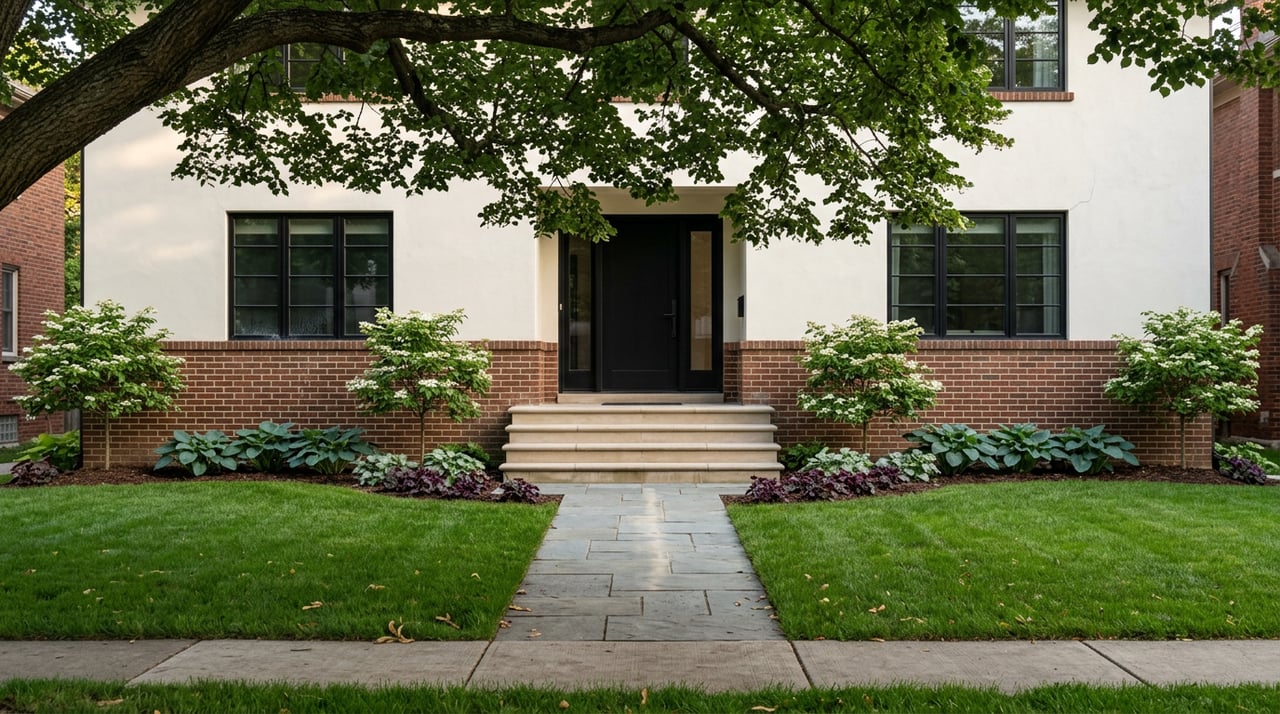
In West Highland, the housing stock includes bungalows, Victorians, Denver Squares, Classic Cottages, and new construction. In LoHi, the blend leans more heavily toward historic buildings mixed with sleek modern development. That gives buyers options depending on whether you want original character, low-maintenance living, or a more contemporary finish.
This range also matters for lifestyle. Some buyers want a historic facade and period details, while others want updated systems and a more turnkey layout. In Highlands and LoHi, you can often choose where you want to land on that spectrum.
What the Market Looks Like
Highlands and LoHi are priced above Denver overall, which reflects the area’s demand, location, and lifestyle appeal. Recent Redfin snapshots place Denver’s median sale price at $630,000, compared with about $865,000 in LoHi, $897,167 in West Highland, $964,641 in Highland, and $930,000 in Potter Highlands.
Days on market also show strong interest, though conditions vary by subarea. Redfin reports LoHi at 27 days on market and West Highland at about 6 days in the most recent three-month windows cited in the research. That is a useful reminder that even within the broader area, pace and competition can shift block by block and property by property.
For you as a buyer or seller, this means local nuance matters. A condo in LoHi, a bungalow in West Highland, and a historic home in Potter Highlands can each attract different levels of demand and different pricing dynamics.
Daily Life in Highlands and LoHi
For many people, this area works because it supports everyday convenience, not just weekend appeal. Highland Square is one of the clearest examples, centered around 32nd Avenue and Lowell Boulevard with a walkable mix of restaurants, coffee shops, boutique retail, and services.
The Highland Merchants Association notes that the district includes businesses ranging from restaurants and boutiques to doctors’ offices, salons, fitness studios, and more. That kind of mix helps the neighborhood function as a true daily hub instead of just a dining destination.
There is also a steady local rhythm to life here. The Highlands Farmers Market is held seasonally on Sundays from 9 a.m. to 1 p.m. at 32nd Avenue and Lowell Boulevard, giving the neighborhood a reliable weekend gathering point.
LoHi has a slightly different daily feel. It tends to be the most restaurant-forward part of the area, with a strong mix of dining and nightlife and easy access to downtown outings that do not always require getting in the car.
Downtown Access Is Part of the Appeal
A major reason people choose Highlands and LoHi is the connection to central Denver without living in the middle of the business core. The 16th Street pedestrian promenade continues north over three bridges that link downtown to Commons Park and LoHi, making the connection feel direct and practical.
That setup can make daily routines and social plans simpler. Whether you are commuting, meeting friends, or heading into downtown for an event, the physical connection between these neighborhoods and the city center is a real advantage.
Transit also plays a meaningful role here. RTD lists Route 32 along West 32nd Avenue and Route 38 along West 38th Avenue as active bus routes serving the area, adding another option for getting into downtown and nearby parts of Denver.
Walkability Comes With Parking Tradeoffs
There is a reason this area feels active and in demand. Walkability, commercial density, and strong destination appeal make Highlands and LoHi convenient, but they also create more urban parking conditions than you may find in lower-density neighborhoods.
Denver’s Highlands Curbside Area Management Plan was implemented in 2025 and includes paid parking and time limits in the commercial core, along with a Highland Area Permit for residents. The city also added Bike+ corrals at strategic locations.
For you, that means the neighborhood’s convenience comes with a practical tradeoff. If you love walking to coffee, dinner, and errands, the setup may feel worth it. If you strongly prefer abundant free parking and a quieter car-oriented routine, it is important to weigh that upfront.
Who Highlands and LoHi Fit Best
These neighborhoods often appeal to buyers who want classic Denver architecture, a strong food and retail scene, and quick access to downtown. They can also work well if you value a home with design character and want a neighborhood that feels active beyond your own front door.
You may be especially drawn to this area if your ideal week includes neighborhood coffee shops, Sunday market visits, dinner plans within walking distance, and a home that feels visually distinct. The mix of Victorians, bungalows, cottages, newer infill, townhomes, and condos gives you room to align your home choice with your lifestyle priorities.
That said, the tradeoffs are real. Much of the housing is older, parking is more managed, and some of the most convenient blocks feel busier than a more suburban setting. If your top priorities are a large yard, easy car storage, and a quieter pace, another Denver neighborhood may be a better match.
Why Local Strategy Matters Here
Highlands and LoHi reward a more detailed approach than a quick online search can provide. Home style, block location, parking setup, and exact proximity to commercial corridors can all affect how a property lives day to day and how it performs in the market.
That is especially true in a neighborhood where historic homes, newer construction, condos, and townhomes all compete for attention in different ways. A thoughtful buying or selling strategy should account for the property type, condition, design presentation, and the specific subarea within the broader Highlands market.
If you are considering a move in Highlands or LoHi, working with someone who understands both the market data and the design side of housing can make the process far more clear. To talk through timing, pricing, or what kind of property fits your goals, connect with Shelby Richardson.
FAQs
What is the difference between Highlands and LoHi in Denver?
- Highlands is a broader northwest Denver area with several subareas, while LoHi is the part closest to downtown and generally feels more urban and modern.
What types of homes are common in Highlands and LoHi?
- The area includes older single-family homes, duplexes, townhomes, condos, newer infill, and historic styles such as Queen Anne, Craftsman Bungalow, Classic Cottage, and Denver Square homes.
Are Highlands and LoHi more expensive than Denver overall?
- Yes. Recent market snapshots in the research show median sale prices in LoHi, West Highland, Highland, and Potter Highlands above Denver’s overall median sale price.
Is Highlands Denver walkable for daily errands?
- Yes. Highland Square around 32nd Avenue and Lowell Boulevard is a walkable hub with restaurants, coffee shops, retail, and services.
Does LoHi have good access to downtown Denver?
- Yes. LoHi connects closely to downtown through pedestrian bridges and nearby transit routes, which helps make downtown trips feel convenient.
Is parking difficult in Highlands and LoHi?
- Parking is more managed than in lower-density neighborhoods. Denver implemented paid parking, time limits in commercial areas, and resident permit options in the Highlands area in 2025.
Who should consider buying in Highlands or LoHi?
- Buyers who want historic charm, urban energy, strong dining and retail access, and a location close to downtown often find the area appealing.