Trying to choose between two of Denver’s most coveted addresses? If you’re torn between the privacy of Country Club Historic and the energy of Cherry Creek North, you’re not alone. Each offers a distinct lifestyle, ownership experience, and long-term value. In this guide, you’ll get a clear side-by-side comparison of homes, daily conveniences, rules for renovations, and practical costs so you can decide with confidence. Let’s dive in.
Snapshot: who thrives where
Country Club Historic
- Suits you if you want privacy, large lots, and architectural character.
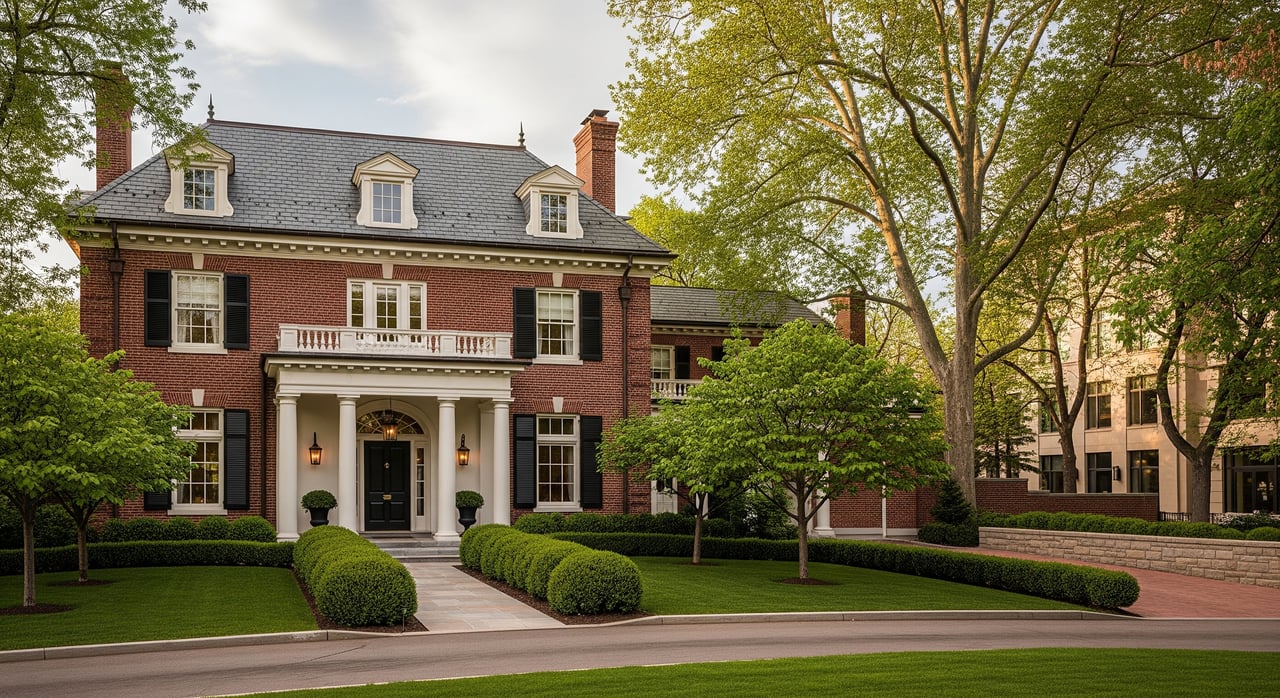
- Primarily single-family estates with mature trees and classic early 20th-century styles.
- Quieter, residential streets near the Denver Country Club.
- Historic protections can shape exterior changes and timelines.
Cherry Creek North
- Suits you if you want walkability, dining, and a low-maintenance lock-and-leave lifestyle.
- Mix of luxury condos, townhomes, and some single-family options in a dense, urban setting.
- Retail, restaurants, galleries, and services within an easy stroll.
- HOA rules guide building maintenance and many renovation decisions.
Architecture and lot types
Country Club Historic homes
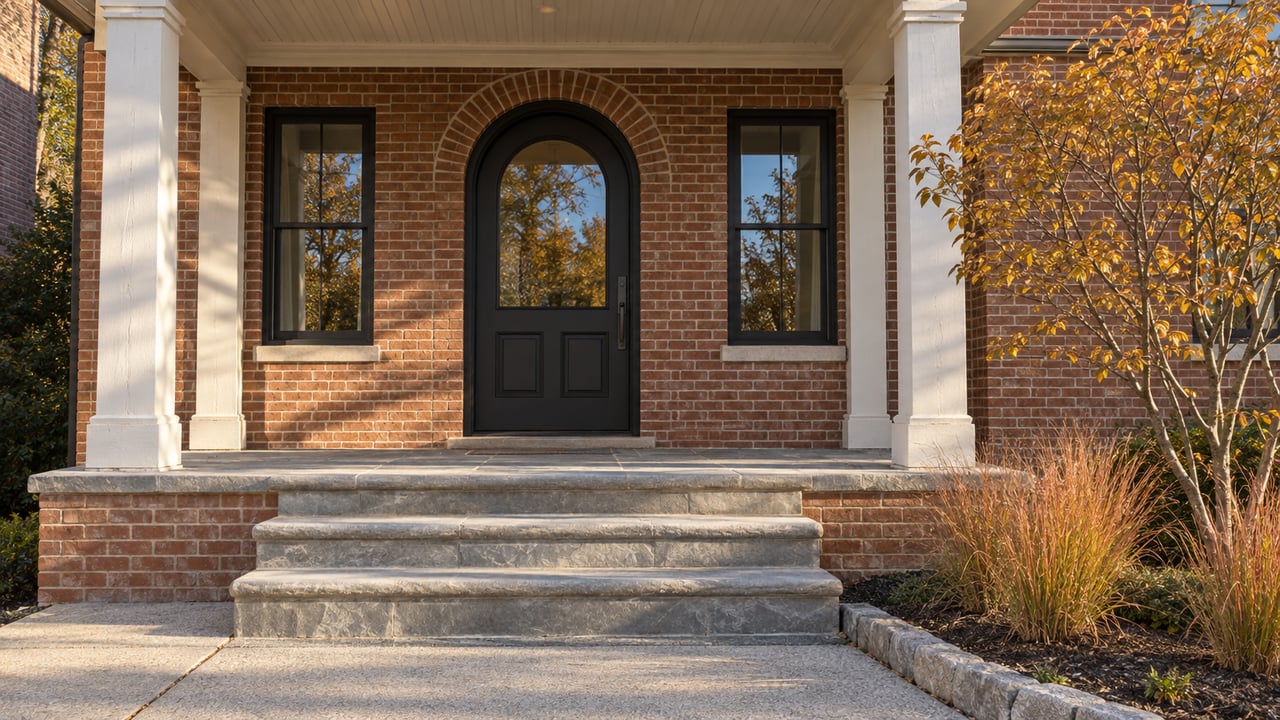
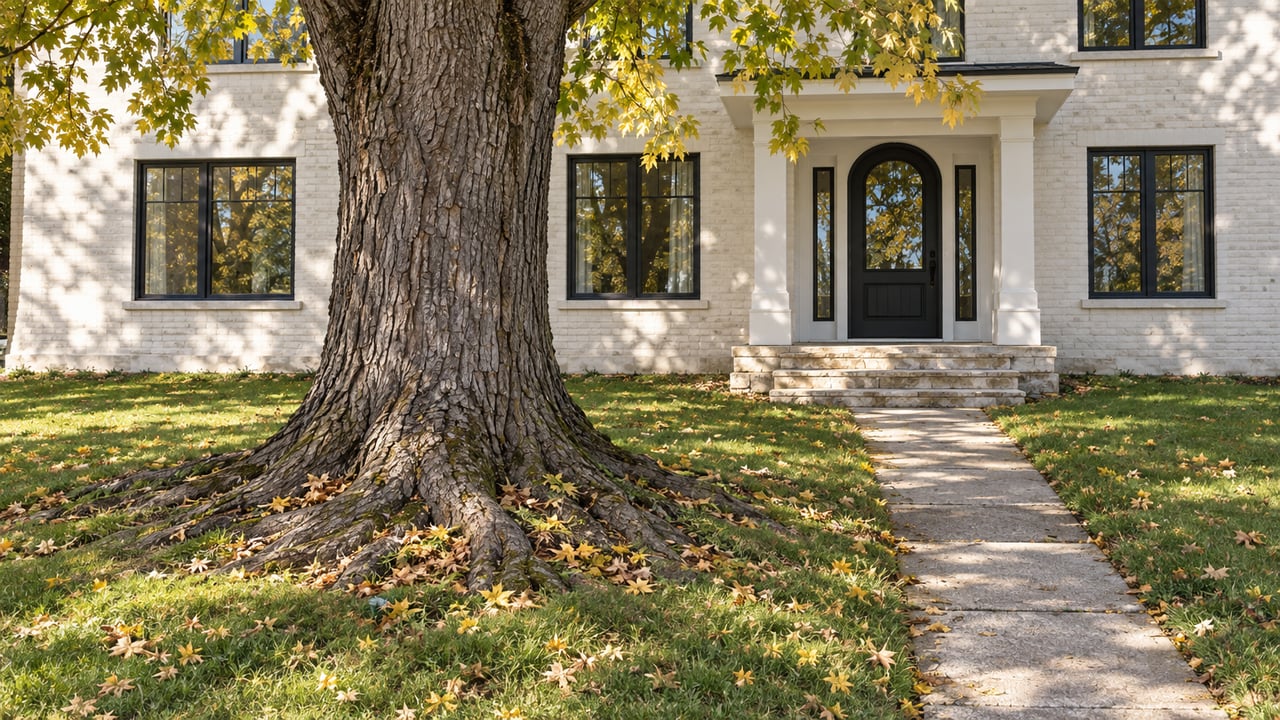
Country Club Historic is known for large, older single-family residences on deep lots with mature landscaping. You’ll see historic revival styles like Colonial, Tudor, Georgian, and Mediterranean, often built between the 1910s and 1930s. Many properties have been renovated or expanded, but the historic streetscape remains a defining feature.
Expect detached garages on alleys and formal front yards with generous setbacks. Because homes are older, you should plan for potential systems upgrades. Electrical, plumbing, HVAC, roofing, and insulation are common focus areas during inspections and due diligence.
Cherry Creek North residences
Cherry Creek North offers a broad mix of modern living options, especially luxury condos and townhomes, along with some single-family pockets. Residences often have smaller footprints, vertical layouts, and private outdoor spaces like balconies, patios, or rooftops. Newer construction and infill projects are common.
Exterior and common areas in condo buildings are typically managed by HOAs, which simplifies maintenance but sets boundaries on what you can change. Townhomes and infill properties may offer more customization inside, with fewer historic constraints than you’ll find in Country Club Historic.
Daily life and convenience
Walkability and errands
If you prize step-out-the-door convenience, Cherry Creek North stands out. The neighborhood concentrates boutiques, restaurants, salons, galleries, and everyday services in a tight, pedestrian-friendly grid. You can run many errands without a car.
Country Club Historic is more residential and serene. You’ll enjoy tree-lined walks, nearby green spaces, and proximity to private-club amenities. Most shopping and dining will be a short drive or bike ride away, which suits buyers who prioritize privacy over a busy retail scene.
Transit and connectivity
Cherry Creek North sits close to major transit corridors and the Cherry Creek Trail, which supports biking and first-mile/last-mile trips. Country Club Historic is also well located within central Denver, though daily life tends to be more vehicle oriented. Both areas offer reasonable access to downtown and key employment hubs. Exact travel times vary by block and time of day, so verify routes that match your routine.
Lifestyle and amenities
Country Club Historic vibe
Here, the pace is calm and residential. Streets are lined with mature trees and large lots, and the overall feel skews private and refined. The neighborhood’s character attracts buyers who appreciate classic architecture, space for outdoor living, and proximity to the Denver Country Club. Nightlife is limited within the neighborhood, which many consider a benefit.
Cherry Creek North scene
Cherry Creek North is active day and night. You’ll find shopping, dining, art, and wellness options in every direction, plus year-round events that draw visitors from across Denver. The nearby shopping center and the district’s retail streets make it easy to keep your lifestyle within a few blocks, from fitness to medical appointments to dinner reservations.
Market dynamics and pricing
Luxury buyers often gravitate to these neighborhoods for different reasons. Country Club Historic draws those seeking single-family privacy, large lots, and the prestige and character of historic homes. Cherry Creek North attracts buyers who value an urban lifestyle, newer construction, and lock-and-leave convenience.
At a high level, scarcity supports value in both areas, but in different ways. The limited supply of large historic lots can bolster long-term pricing in Country Club Historic. In Cherry Creek North, the enduring appeal of dining, shopping, and transit access supports steady demand for luxury condos and townhomes. In both cases, your micro-location, building or block, and property condition will drive pricing and resale potential.
If you’re weighing options at the $1 million to $2 million tier or higher, dig into current 12-month metrics like median price, price per square foot, days on market, and months of supply. Compare renovated historic homes to newer condos and townhomes to understand absorption and resale timelines for your exact property type.
Renovation, rules, and timelines
Country Club Historic review
Portions of Country Club fall under historic-district or landmark protections. Exterior changes, additions, or demolitions may require review and approval. This can influence design choices, materials, and timelines. Interiors usually offer more flexibility, but you should align any modernization with the home’s overall character to preserve value.
Key steps include confirming whether a property is within a designated district, understanding applicable design guidelines, and scoping realistic timelines for permits and reviews. You’ll want the right contractor, architect, and agent to navigate the process efficiently.
Cherry Creek North approvals
You’ll encounter fewer historic exterior controls in the commercial corridor and surrounding residential blocks. Multifamily developments are subject to site plan review and design standards, while condo owners follow HOA rules that cover building systems and common spaces. Many interior updates are manageable with proper HOA approvals.
If your plan involves combining units, adding built-ins, or reconfiguring space, review HOA documents and reserves. For new infill or townhome renovations, approvals vary by block, so confirm requirements early.
Practical ownership considerations
- Maintenance and operating costs. Older Country Club homes may carry higher ongoing costs for systems, roofs, foundations, and energy efficiency. In Cherry Creek North, budget for HOA dues and possible special assessments in addition to your mortgage.
- Parking and storage. Country Club homes typically offer private garages and driveways, which helps with multiple cars and gear. In Cherry Creek North, your setup depends on the building or townhome. Expect a mix of attached garages, secure building parking, and some street parking constraints near retail.
- Privacy and security. Country Club offers wider lot separation and less street activity. Cherry Creek North has a busier streetscape and more passive oversight from activity and cameras, which some buyers prefer for a lock-and-leave lifestyle.
Decision checklist: find your fit
Priority: privacy, land, and historic character
- Likely fit: Country Club Historic.
- Verify typical lot sizes at your price point, the orientation and usability of yards, and whether a property sits within a historic overlay. Plan for mechanical and structural evaluations during inspections.
Priority: walkability and low-maintenance living
- Likely fit: Cherry Creek North.
- Verify proximity to the shops, services, and fitness or medical providers you use most. Review HOA rules, financial reserves, and any history of assessments. Confirm parking availability for both residents and guests.
Priority: long-term resale and liquidity
- Country Club Historic: Prestigious and scarce large lots can support value. Buyer pool is more specific, which can lengthen time to find the right match.
- Cherry Creek North: Broad demand for urban living and lock-and-leave options. HOA quality, building reputation, and assessments can influence desirability.
- Verify 12-month absorption, median pricing, and recent comps for your exact property type.
Priority: renovation or expansion
- Country Club Historic: Expect defined design guidelines for exteriors and longer review timelines. Plan for historically sensitive exterior solutions with modern interiors.
- Cherry Creek North: Interior condo renovations often proceed with HOA approval. Exterior changes and structural modifications are building governed. Townhome and infill options vary by block.
Priority: commute and connectivity
- Both areas offer reasonable access to downtown and key corridors. Cherry Creek North is often perceived as easier for daily errands and transit connections. Confirm real-world door-to-door times for your routine.
Where to go next
Your best choice comes from aligning lifestyle preferences with ownership realities. Tour representative homes in both areas, compare recent sales for your price band, and review the rules that will impact your plans, whether that’s a kitchen redesign or a full exterior addition. If you are leaning urban, dig into HOA financials and building histories. If you prefer historic charm, map out the permitting path and costs for any updates.
You do not have to navigate this alone. With design-forward preparation, data-driven negotiation, and a vetted network of contractors, lenders, and inspectors, you can move with clarity and speed. For a tailored comparison, on-the-ground tours, and current 12-month market metrics for both neighborhoods, connect with Shelby Richardson.
FAQs
What is the main lifestyle difference between Country Club Historic and Cherry Creek North?
- Country Club Historic is quiet and residential with large lots and historic homes, while Cherry Creek North is urban and walkable with dense retail, restaurants, and luxury condos and townhomes.
Are there historic restrictions if I buy in Country Club Historic?
- Many properties are within a historic district or carry landmark status, which can require review and approval for exterior changes, additions, or demolitions.
How do HOAs in Cherry Creek North impact ownership costs?
- Most condos include HOA dues that cover building maintenance and amenities, and you should review reserves and any history of special assessments before you buy.
Which neighborhood is better for lock-and-leave living?
- Cherry Creek North typically offers more lock-and-leave options through luxury condos and townhomes with managed maintenance and building security.
Is parking easier in one neighborhood versus the other?
- Country Club Historic often provides private garages and driveways, while Cherry Creek North parking varies by building and location and can include garage spaces or managed guest parking.