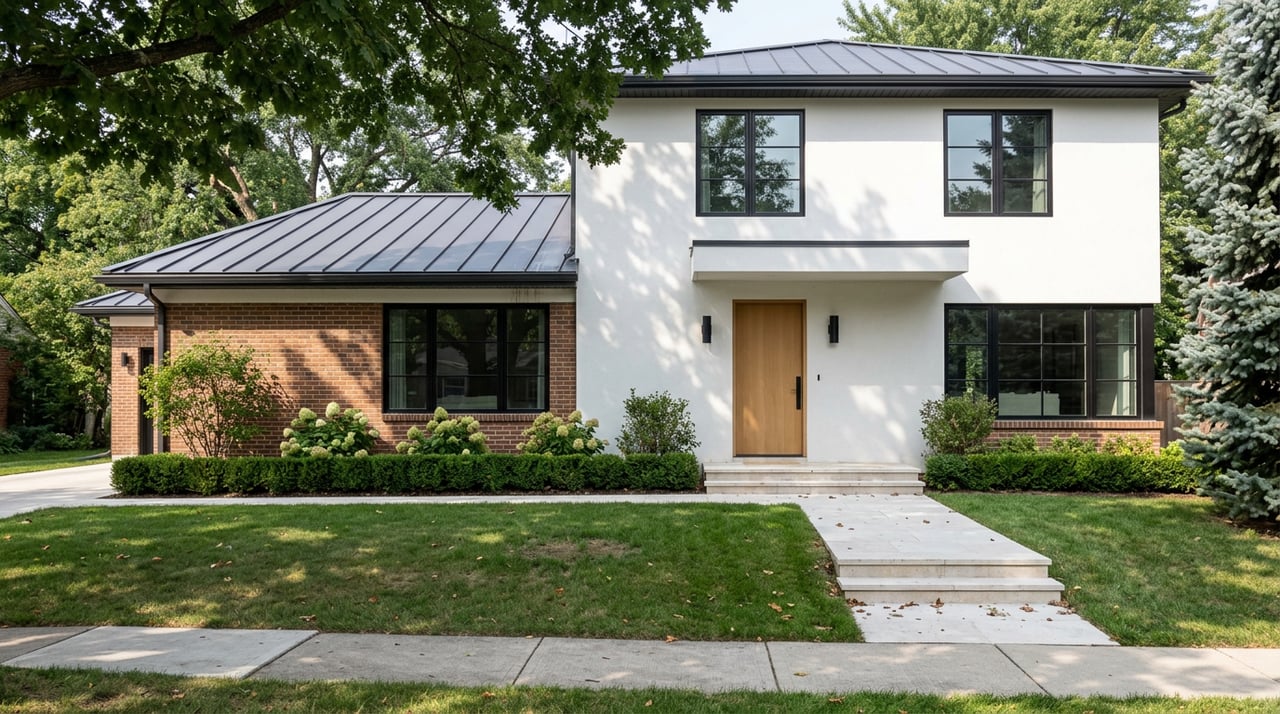
Thinking about adding a second story or starting fresh with a new build in Bonnie Brae or Belcaro? You are not alone. Many Denver homeowners weigh these two paths when their home no longer fits how they live. The right choice depends on your lot, your zoning, your timeline, and your long‑term goals.
In this guide, you will learn how local context and Denver’s zoning rules shape your options, what to expect for timing and disruption, and how each path can influence resale. You will also get a simple, step‑by‑step checklist to move from idea to decision with confidence. Let’s dive in.
Bonnie Brae vs Belcaro: what changes your choice
These neighboring enclaves feel different on the ground, and that matters when you plan a pop‑top or consider a tear‑down and new build.
Bonnie Brae: small‑lot character and constraints
Bonnie Brae reads like a village with winding streets, a compact retail strip, and a central park. Many original 1920s bungalows, Tudors, and ranches remain, with selective infill. The neighborhood association describes a tight‑knit enclave of about 650 residences and a distinctive park at its center. You can learn more from the Bonnie Brae Neighborhood Association.
Lots often run smaller than Belcaro, with examples in roughly the 4,500 to 9,000 square foot range. On these lots, required setbacks, lot width, and Denver’s urban context rules can limit how much you can push up or out. If you are eyeing a pop‑top, the upstairs massing must respect height and bulk‑plane rules, and narrow lots can constrain the second‑floor plan.
Belcaro: larger parcels and strong lot values
Belcaro was developed later around the Phipps estate and reads more suburban in pattern, with many mid‑century ranches on larger parcels and mature trees. A number of large infill builds and full‑lot redevelopments have occurred in recent years. See the neighborhood overview on Wikipedia.
One reason new construction is common here is lot value. Recent market examples show sizable Belcaro parcels marketed or sold primarily as building lots, sometimes in the multi‑million dollar range. For instance, a roughly half‑acre parcel on Belcaro Lane was positioned as a building site, signaling buyer appetite for scrape‑and‑build opportunities and the pricing power of land in this submarket. You can review a representative example on Homes.com.
How Denver zoning shapes pop‑tops and new builds
Before you sketch a second story or talk to builders, confirm exactly what your lot allows. Denver’s context‑based code controls building form, height, and placement.
Confirm your zone and building form
Denver assigns a Neighborhood Context, Building Form, and a Lot Size/Height suffix to every parcel. Your zone district code, such as U‑SU‑B or S‑SU‑F, sets the allowed house forms, lot minimums, and typical height limits. Start with the city’s Denver Zoning Code overview and use the interactive Zoning Map to verify your property’s exact district.
Height, bulk plane, and setbacks for pop‑tops
In Urban Single‑Unit districts, the code often treats the front 65 percent of lot depth as a taller zone and the rear 35 percent as a lower zone, with bulk‑plane and stepback rules shaping upper‑story massing. The result is that many pop‑tops work best when the second story sits forward with sensitive stepbacks. The precise numbers vary by suffix and any overlays. For a primer on how form‑based rules interact with historic contexts, review this case study reference, and consult the city’s zone descriptions for your parcel specifics.
Overlays, landmark flags, and HOA design review
Some properties carry conservation overlays, landmark status, or HOA design covenants. These can introduce design review or limit visible changes. Use the city’s Development Services portal to check for flags and to access e‑permits and records. Start here: Community Planning and Development e‑permits. If you are in Belcaro, also connect with the Belcaro Park HOA. In Bonnie Brae, the neighborhood association can help you understand community processes.
ADUs offer another path
Denver expanded Accessory Dwelling Units citywide in late 2024. Depending on your lot and zone, an ADU can add rentable space without the structural complexity of a second story. Learn more from Axios’ coverage of the ADU policy change. ADU size, placement, and height caps still depend on your zoning.
The three paths: scope, timing, resale
Each path has a different risk profile, disruption, and market impact. Use these as high‑level guides and verify details for your parcel.
Pop‑top: when it fits
A pop‑top adds a new second floor by raising or replacing the roof, often with modest footprint changes.
Feasibility checkpoints:
- Confirm your zone’s allowed house form, maximum front and rear heights, and bulk‑plane limits. Urban Single‑Unit zones often require the upper story to step back toward the rear.
- Verify lot width, coverage, and setbacks. Narrow lots can pinch the upstairs plan.
- Check for overlays, landmark status, or HOA design standards via Denver e‑permits.
- Have an engineer evaluate your foundation and lateral systems. Many pop‑tops need structural reinforcement and stair reconfiguration.
Timeline and disruption:
- Design plus zoning and building permits typically take several months. Denver tracks review times on the Average Plan Review Times dashboard. The city reorganized permitting in 2025 to normalize timelines, and local reporting has covered targets like 180‑day goals for major reviews. See context in BusinessDen’s reporting.
- Construction adds several more months. Many homeowners plan for a 6 to 12 month arc from schematic to finish for a mid‑sized pop‑top, with the understanding that inspections and material lead times can extend schedules.
Cost and resale:
- Pop‑tops often carry a higher per‑square‑foot cost than single‑story additions due to structural work and roofing. Local indicators show wide ranges, often around 225 to 500+ dollars per square foot depending on finishes and complexity. See representative ranges for Denver on Make & Build.
- National cost‑vs‑value studies historically show two‑story additions recouping roughly 60 to 70 percent of cost on average. In high‑demand pockets like Belcaro, added square footage can draw strong buyer interest when the exterior massing suits the lot and block.
Pros:
- Keeps your address and lot. Often less expensive and faster than a full custom new build.
Cons:
- Significant disruption inside the home. Structural surprises can add cost. Design must fit bulk‑plane and neighborhood context.
Major renovation: rebuild in place
A major renovation keeps portions of the existing structure while modernizing systems, reworking layout, and possibly extending the footprint.
Feasibility:
- You must meet the same zoning rules for any added square footage. See the Denver Zoning Code overview.
Timeline and disruption:
- Broad scope can push timelines longer than a focused pop‑top. Plan review, SUDP approvals, and inspections shape the path. Track expectations on the city’s review time dashboard.
Cost and resale:
- Costs vary based on how much you keep versus replace. Well‑executed renovations that solve layout and update kitchens and baths tend to draw strong buyer response in both neighborhoods.
Sell the lot for a new build
Instead of building yourself, you can sell your parcel as a building lot to a developer or custom buyer.
Feasibility and market signals:
- Larger Belcaro parcels and premium location often command strong lot values. Recent examples show buyers paying for ready‑to‑build sites, such as the representative Belcaro Lane parcel. If your lot is large for the block or offers a more generous zone suffix, the economics may favor a lot sale.
Process to expect:
- Buyers typically confirm zoning feasibility and may pursue a rezoning if they want a different form. Rezoning is a public process that involves Planning Board and City Council hearings and can take several months. Review the city’s Rezoning Process.
Timeline and pricing dynamics:
- Selling to a builder can close faster than building yourself because the buyer takes on permit and construction risk. Lot pricing reflects raw land value and the margin needed for a finished product in these neighborhoods.
Pros:
- Minimal disruption and immediate liquidity after closing.
Cons:
- You give up potential upside from delivering a finished home. Due diligence periods can be longer, and entitlement steps can add complexity.
Bonnie Brae vs Belcaro: practical scenarios
In Bonnie Brae, smaller lots and tighter bulk rules often make a well‑designed pop‑top or major renovation the more practical path. You keep the charm, gain space, and work within zoning that favors sensitive massing. Always confirm your exact setbacks, lot coverage, and height allowances before you design.
In Belcaro, larger parcels and strong lot values can tip the scales toward full new construction, especially if your existing home is dated or undersized for the block. Many buyers in Belcaro actively seek modern, ground‑up homes on larger sites, and some parcels trade primarily on land value. If you prefer not to be the developer, selling the lot can make sense.
In both neighborhoods, ADUs are now more widely available and can add livable or rentable square footage without a second story. Depending on your goals, an ADU over a garage or in the rear yard could be a lower‑impact alternative.
Step‑by‑step decision checklist
Use this quick path to compare your options with real numbers and clear constraints.
- Verify zoning and overlays
- Look up your parcel on the city’s Zoning Map and note the three‑part zone code. For a written confirmation, request a zoning verification letter from Denver.
- Check flags and neighborhood review
- Use Community Planning and Development e‑permits to check for landmark or conservation overlays. Contact your RNO or HOA early.
- Order a survey and structural review
- Get an as‑built or ALTA survey. Have an engineer review the foundation if a pop‑top is on the table. These two items drive feasibility and cost.
- Price three paths side by side
- Ask for 2 to 3 high‑level sketches and budgets: a pop‑top concept, a rebuild‑in‑place scope, and an estimate of market lot value. Use representative lot sales, such as the Belcaro Lane example, to frame land value. Pair costs with realistic after‑repair value comps.
- Factor permit timing and risk
- Review the city’s Average Plan Review Times and discuss intake expectations with your builder. Local reporting on permitting reform adds helpful context to timeline targets, as covered by BusinessDen.
- Choose your execution plan
- If selling: assemble a marketing pack with survey, utility info, and basic site constraints, then list with an agent experienced in Belcaro teardown and lot sales.
- If building: assemble your architect, structural engineer, and builder, and map financing, carry costs, and contingency.
Ready to compare scenarios for your property in a single, strategic conversation? Reach out to Shelby Richardson to review zoning, market comps, and the design‑to‑sale path that fits your goals.
FAQs
How long does a pop‑top take in Bonnie Brae or Belcaro?
- Most homeowners see 6 to 12 months from schematic design to finish for a mid‑sized pop‑top, with several months for design and permits and several more for construction; check the city’s Average Plan Review Times for current review expectations.
Do you need a rezoning to add a second story in Denver?
- Usually no, if your addition fits your existing zone’s building form and height and bulk‑plane rules; if the massing or unit count exceeds allowances, discuss zone‑lot amendments or rezoning with Community Planning and Development using the Denver Zoning Code overview and the city’s guidance.
What did Denver’s 2024 ADU changes mean for these neighborhoods?
- Citywide policy made ADUs more accessible, which can give you an alternate way to add livable or rentable space without a second story; ADU size and placement still depend on your lot and zone, as covered by Axios.
Is a pop‑top always cheaper than a new build in Belcaro?
- Not always; pop‑tops can be less expensive than ground‑up homes but often have higher per‑square‑foot costs than one‑story additions, and structural needs add variables; two‑story additions historically recoup about 60 to 70 percent of cost on average, and you can review representative cost ranges for Denver on Make & Build.