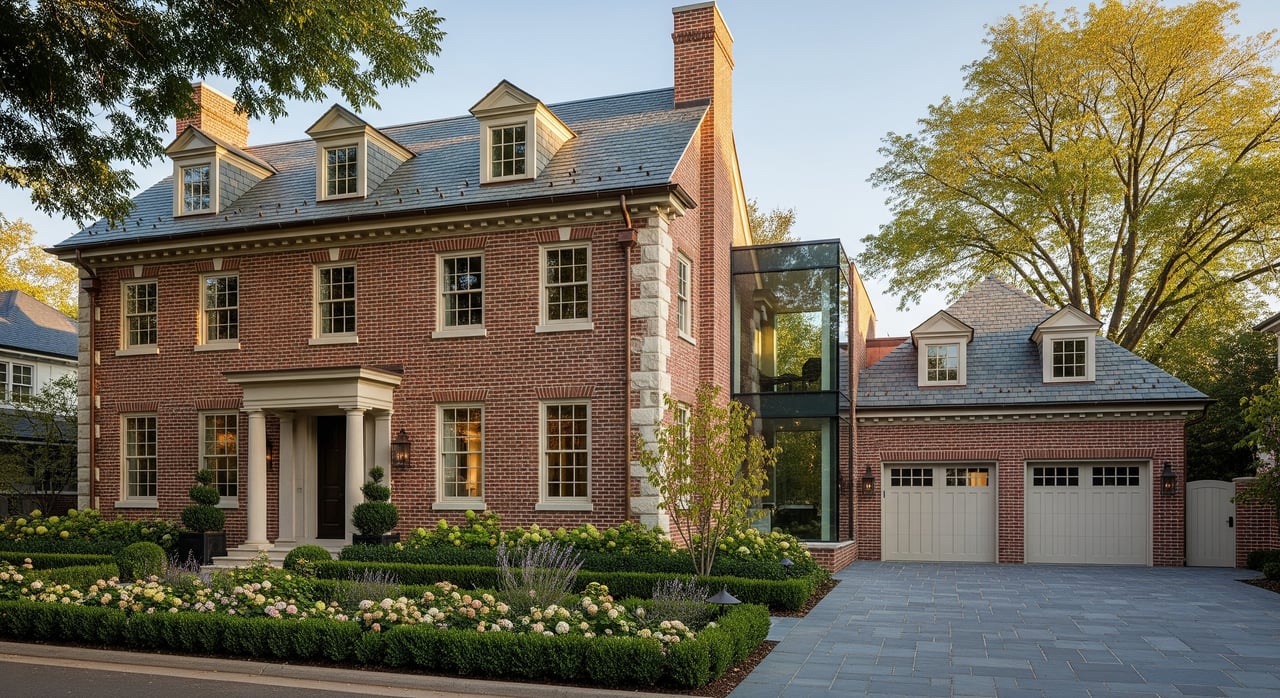
Thinking about updating your Country Club home’s exterior? In a historic district, even small changes can trigger review, and the wrong move can derail your timeline. You want to improve comfort and value without sacrificing your home’s character. This practical guide explains what needs approval in Country Club Historic, how the Denver process works, what typically gets approved, and how to design a project that passes on the first try. Let’s dive in.
What makes Country Club Historic different
Country Club Historic is protected by Denver’s local landmark program, which regulates exterior changes visible from the street. That means most exterior work needs review and a Certificate of Appropriateness before construction. You can confirm process details with the City’s Denver Landmark Preservation team.
National Register recognition is honorary at the federal level. It does not trigger City of Denver review by itself. Local landmark designation and local historic district rules are what govern your project.
Reviewers rely on the Secretary of the Interior’s Standards for Rehabilitation to judge whether proposed work preserves historic character. These standards emphasize repair over replacement, minimal change to defining features, and compatible new work.
When you need approval
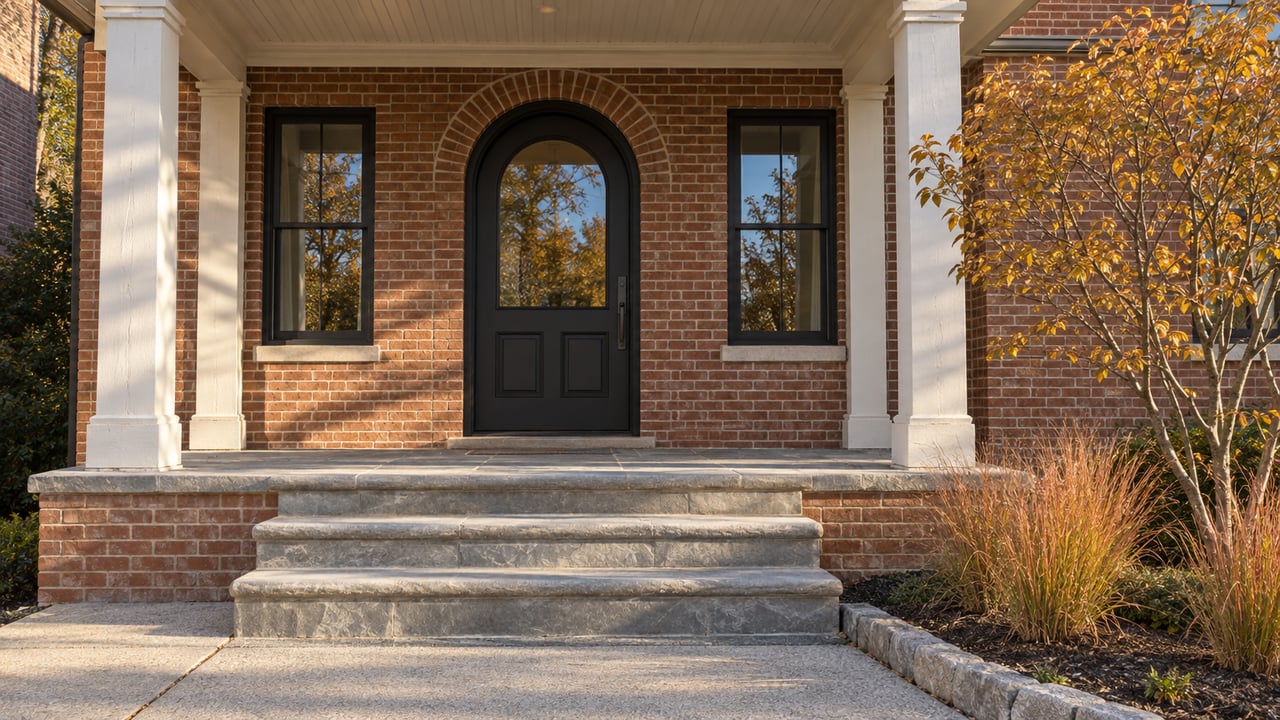
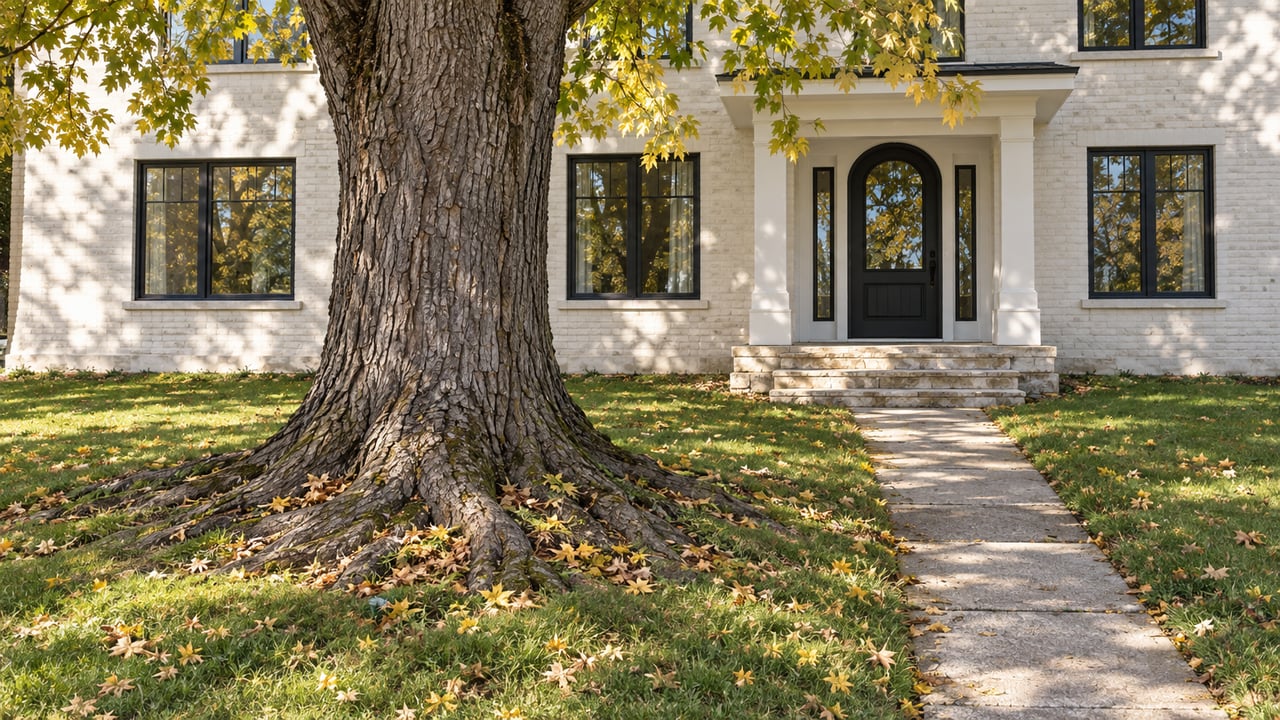
If the change is visible from a public right-of-way, expect review. This includes façades, rooflines, windows, doors, porches, and additions. Rear or side changes that are not visible may be simpler, but always confirm with staff.
Routine maintenance that does not change the look, profile, or materials is usually not regulated. In-kind replacement is generally faster than swapping to new materials or profiles. Demolition, major additions, and significant changes to primary façades receive the most scrutiny and often require a public commission hearing.
How the review works in Denver
Here is the typical path:
- Pre-application contact: Email or meet briefly with Denver Landmark Preservation to confirm if your scope needs review and what level applies.
- Application submittal: Provide forms, photos, drawings, and material samples. A concise narrative helps explain compatibility.
- Staff review: Many minor or clearly compatible projects can be approved by staff.
- Commission hearing: Larger or complex projects go to the Landmark Preservation Commission for a decision.
- Permits: With an approval in hand, move into building permit review.
Most staff reviews take about 2 to 6 weeks once your application is complete. Commission cases typically take 4 to 12 weeks from submission to decision, depending on schedules and complexity. If you are planning a substantial exterior change, budget 2 to 4 months for the landmark portion, and more for complex additions.
What reviewers look for
Reviewers focus on preserving what makes your home and the district special. Expect attention to:
- Character-defining features: rooflines, porches, masonry or wood details, and window proportions.
- Public visibility: anything you can see from the street gets the closest look.
- Material compatibility: historic materials are preferred; modern replacements must match scale, texture, and profiles when visible.
- Reversibility: solutions that can be undone and that avoid removing original fabric are favored.
- Site and massing: additions should be subordinate in size, set back, and avoid covering historic features.
What usually gets approved
You can often secure approval, sometimes at staff level, for:
- In-kind roof replacement that matches material, color, and profile.
- Porch repair and rehabilitation using matching details and materials.
- Rear or side additions that are set back and clearly secondary in massing.
- Exterior painting; confirm any color policies with staff.
- Sensitive window work: repair first, or replacement with historically appropriate profiles and muntin patterns when beyond repair.
- Mechanical equipment placed out of public view, with screening as needed.
Common reasons for denial
Expect pushback or denials for:
- Replacing original windows with incompatible modern units that alter size, muntin patterns, or materials on visible façades.
- Additions that dominate the primary façade or change the historic massing.
- New synthetic or non-compatible siding on prominent elevations that conflicts with original materials.
- Demolition without sufficient documentation or when feasible alternatives exist.
- Roofline changes, prominent skylights, or visible solar arrays on primary roof slopes.
Plan a project that passes
Set yourself up for success by following a clear plan.
- Contact staff early. Confirm your property’s status, whether a COA is required, and any Country Club precedents. Start with Denver Landmark Preservation.
- Document existing conditions. Photograph all elevations and details. Historic photos or original plans help justify preservation or reversible changes.
- Design to the Standards. Use the Secretary of the Interior’s Standards as your design filter. Repair before replacing. Keep new work compatible yet clearly new.
- Prioritize reversible solutions. Improve energy performance with weather-stripping or storm windows. Keep mechanicals and solar out of public view.
- Minimize visibility. Place additions at the rear or side with adequate setback. Keep roof forms and primary elevations proportional.
- Prepare a complete submittal. Include scaled drawings, elevations, material samples, and a short narrative that explains how your design meets the Standards. Sightline diagrams help for rooftop items.
- Consider a phased approach. Propose a small pilot area to demonstrate compatibility before scaling up. Stay open to staff-recommended tweaks.
Examples that work
- Window energy upgrades: repair original wood sash and add interior storms before considering replacement. If replacement is necessary, match profiles and muntin patterns.
- Rear additions: single-story or subordinate two-story forms with compatible roof pitch and simplified detailing, set behind the main façade.
- Roof replacement: match material and color where visible. Modern products that convincingly mimic historic appearance may be acceptable with samples.
- Solar panels: site on rear or non-visible slopes and include visibility studies. Follow local and NPS guidance to minimize visual impact.
- Mechanical equipment: locate at the rear and screen with fencing or landscaping. Show exact placement in your drawings.
Avoid these pitfalls
- Starting exterior work before approval. This can prompt stop-work orders and costly removals.
- Assuming “maintenance-free” materials will be approved on visible façades without strong visual compatibility.
- Oversizing additions. Keep them subordinate and set back to preserve historic massing.
- Ignoring neighbor input. Public notice and comments can influence commission decisions.
Your COA submission checklist
Use this quick-reference list to assemble a strong application:
- Completed COA form.
- Current photos of all elevations and details.
- Scaled site plan with property lines, footprint, and proposed work.
- Existing and proposed elevations with materials and finishes.
- Material samples or cut sheets with colors and profiles.
- Project narrative addressing character and the Standards.
- Sightline or visibility diagrams for rooftop items.
- Historic documentation and condition evidence where replacement or demolition is proposed.
- Application fee and neighbor notification materials, if required.
Local contacts and resources
- Denver’s Landmark Preservation: applications, staff contacts, and hearing schedules.
- Secretary of the Interior’s Standards for Rehabilitation: core criteria used in review.
- NPS Preservation Briefs: practical guides on windows, energy upgrades, masonry, and more.
- History Colorado: state-level guidance and potential tax credits information.
- Historic Denver: local case studies and best practices.
Final thoughts
In Country Club Historic, the most successful projects protect what makes your home special while solving for comfort, function, and long-term value. Start early, design to the Standards, and build a complete submittal. With a plan that prioritizes compatibility and visibility, you can upgrade your home and move through review with confidence.
If you are weighing scope, return on investment, or timing around a sale or purchase, you do not have to navigate this alone. For design-forward strategy, contractor introductions, and a plan that aligns with Denver’s process, connect with Shelby Richardson.
FAQs
Do I need a Certificate of Appropriateness for exterior work in Country Club Historic?
- If work is visible from the street, it typically requires review and approval through Denver’s Landmark Preservation program.
How long does landmark review take in Denver?
- Staff approvals often take 2 to 6 weeks; commission cases commonly take 4 to 12 weeks from submittal to decision.
Can I add solar panels on my Country Club home?
- Often yes if panels are not visible from primary streets; place them on rear or low-visibility roof slopes and provide visibility studies.
Will I be approved to replace original front windows with modern units?
- Usually not if replacements change size, muntin patterns, or materials on visible façades; repair or historically accurate replicas are preferred.
What happens if I start exterior work without landmark approval?
- You risk stop-work orders and being required to undo unapproved work, which can be costly and delay permits.
Are fiber-cement or synthetic materials allowed on visible façades?
- Materials that do not visually match historic scale, texture, and profiles on prominent elevations are commonly denied or require major revisions.