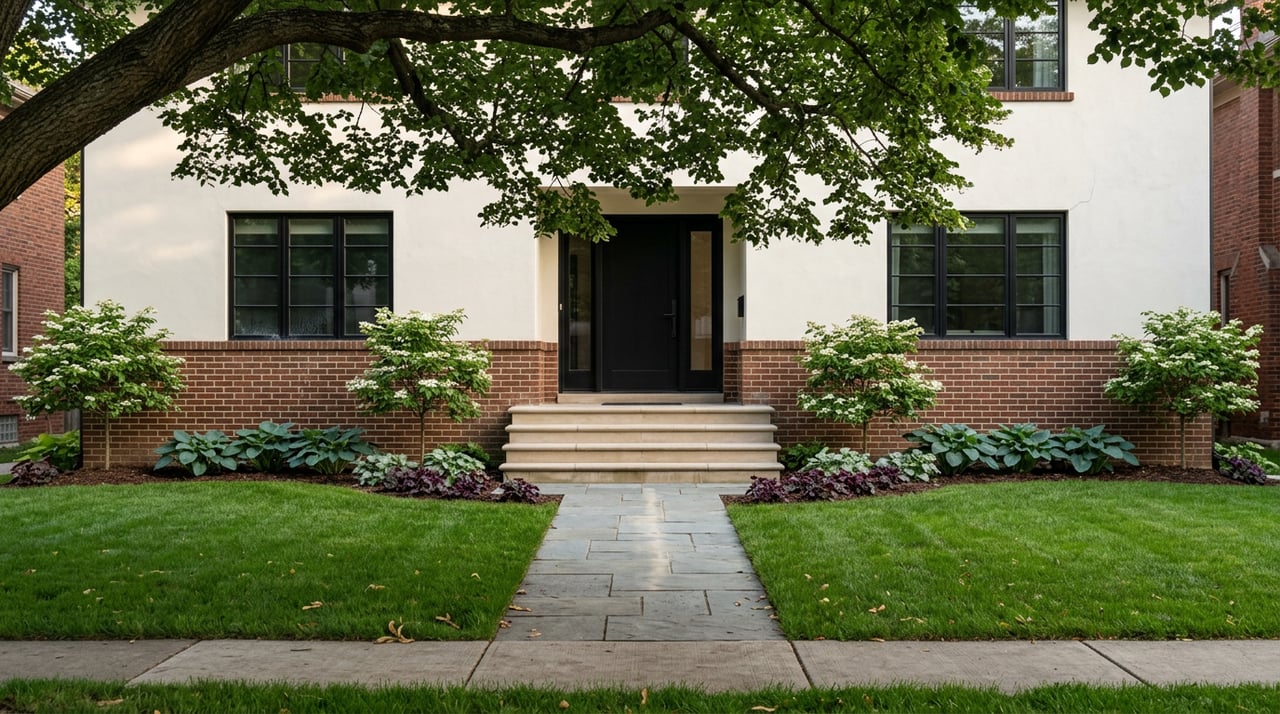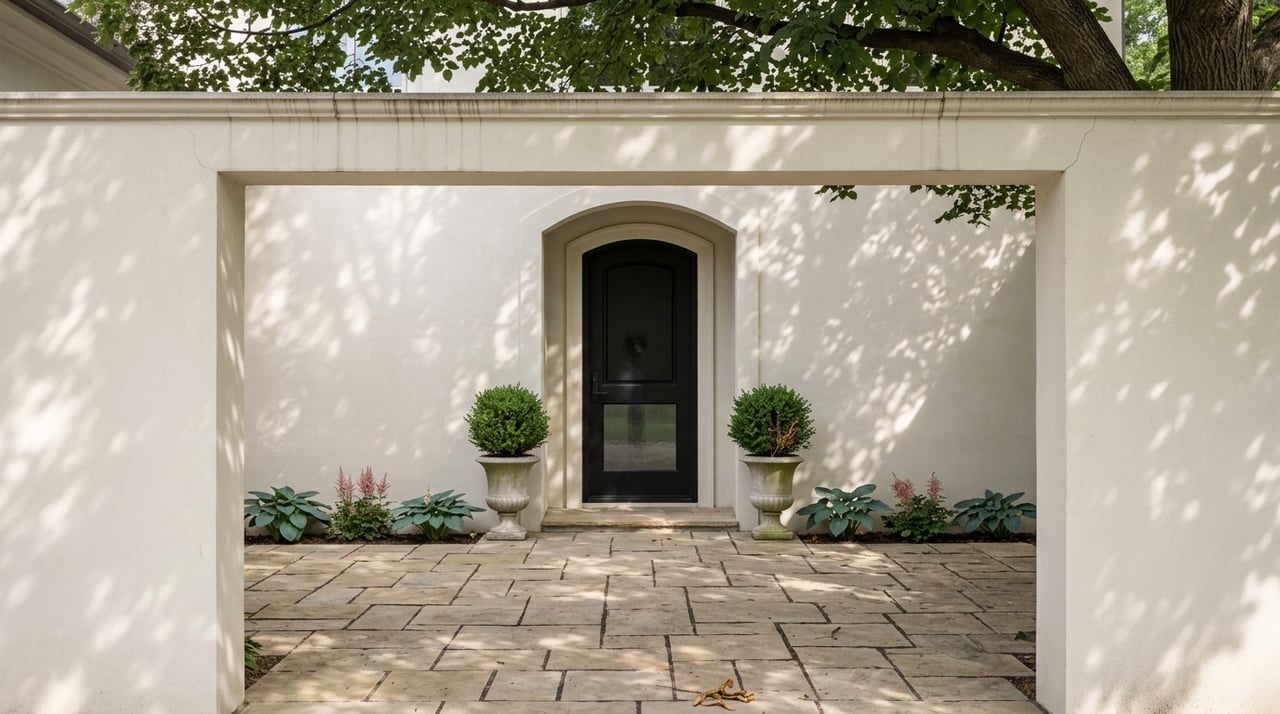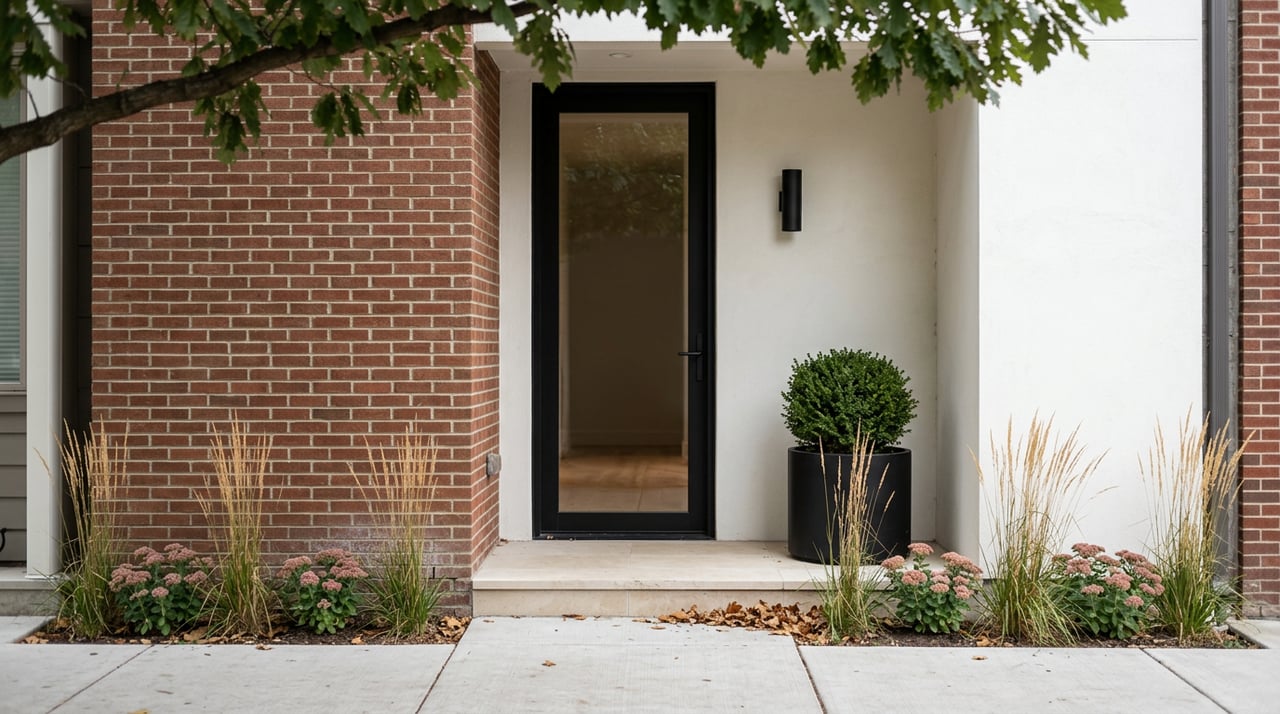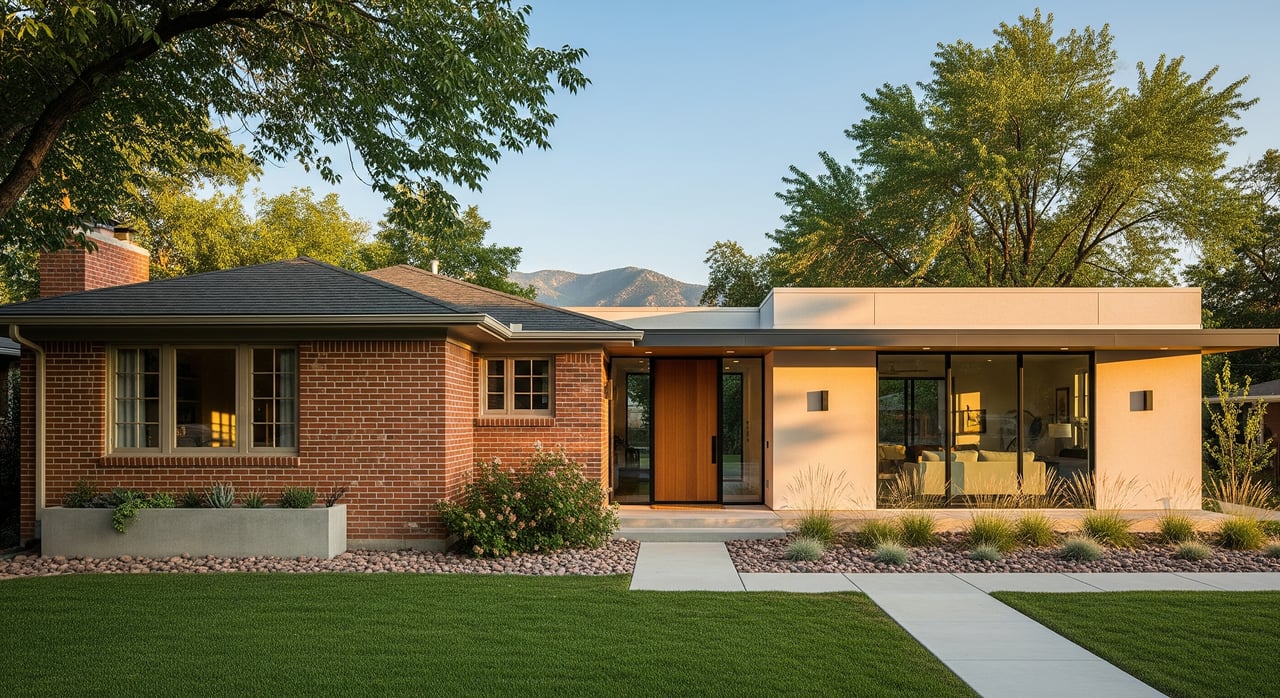
Thinking about whether to renovate your Belcaro ranch before selling or list it in original condition? You are not alone. In Belcaro and adjacent Bonnie Brae, buyers respond strongly to both well-executed updates and authentic mid-century character, and the lot often carries a big share of the value. This guide shows you how buyers in these neighborhoods price renovated versus original homes, how to separate land value from house value, and a practical way to decide your best path. Let’s dive in.
What drives value in Belcaro
Belcaro and Bonnie Brae sit in central Denver with mature lots and classic mid-century homes. Proximity to parks, the Cherry Creek corridor, and major routes keeps demand steady. Two buyer groups show up again and again: buyers who want turnkey updates and buyers seeking original character or an opportunity to renovate or rebuild.
In close-in Denver, infill activity has raised underlying land values. That means location and lot attributes often drive pricing. When you evaluate your options, treat the lot as a primary value lever and the house condition as a variable that either adds a premium or is discounted, depending on buyer goals.
Renovated vs original: who pays what
When updates add value or shorten time on market:
- Kitchens and baths. Function and finish matter. Modern layouts, durable surfaces, and attractive fixtures reduce buyer objections.
- Systems and inspections. Newer roof, updated electrical panel, HVAC, and windows give buyers confidence and can support stronger offers.
- Layout and flow. Opening a closed plan, adding an en-suite bath, or relocating laundry to a practical spot can change how the home lives and prices.
- Curb appeal. Paint, lighting, paths, and light landscaping are lower-cost moves with strong perceived value.
What often does not pay back proportionally:
- Over-customization. Ultra-luxury finishes beyond neighborhood norms can overshoot buyer expectations without raising price enough.
- Cosmetic only. Paint and carpet without addressing kitchens, baths, or systems rarely deliver a strong premium when buyers want move-in readiness.
Original character vs full modernization:
- Some buyers will pay more for preserved mid-century elements like built-ins or original woodwork. This group is smaller but influential in neighborhoods known for architectural character.
- Other buyers prefer an open, modern feel and discount original interiors, especially if major systems need work. The best plan depends on local comps that show which product type is being rewarded right now.
Timing matters. In tight seller markets, as-is homes can sell strong. In more balanced or buyer-leaning markets, the premium for updated homes tends to grow because buyers can be selective. Always check the past 6 to 12 months of neighborhood sales before setting a strategy.
Lot value vs structure in Belcaro
Lot premium drivers:
- Location quality. Access to parks, trails, and amenity corridors attracts buyers and can elevate land pricing.
- Size and orientation. Larger or deeper lots, usable shapes, and favorable orientation for future expansion matter.
- Tree canopy and landscaping. Mature trees and established yards carry real emotional value that can reflect in offers.
- Future potential. Zoning that allows additions or an accessory dwelling unit can push land value higher.
Structure drivers:
- Condition and layout. If the house has good bones and a functional plan, buyers who want to renovate may ascribe value to the structure. If functionality is poor, value can skew toward land.
- Architectural features. Intact mid-century elements can increase appeal for preservation-minded buyers.
How to separate land and house value:
- Look for recent teardown or near-teardown sales on similar lots to identify land pricing in your subarea.
- Compare renovated sales with teardown sales on similar lots to isolate what the market pays for the house versus the land.
- If available, consider vacant-lot or new-build sales to triangulate land value where new construction is common.
How to run comps in Belcaro
Gather before comping:
- Sold, active, and pending listings from the past 6 to 12 months within 0.25 to 0.5 mile, including both renovated and original-condition homes.
- Lot data: dimensions, orientation, alley access, topography, and tree coverage.
- Interior details: gross living area, finished basement square footage, bed and bath counts, major updates and dates, and notable period features.
- Days on market, list-to-sale price ratios, and price per square foot trends.
- Sale history and any permit or renovation records for your comps.
Key adjustments to consider:
- Lot size and buildability. Larger or more buildable lots merit a premium.
- Renovation level. Separate cosmetic refresh, major remodel, and original condition. Systems updates and kitchen or bath quality matter.
- Functionality. Open versus segmented layouts, primary suite presence, and kitchen flow.
- Basement. Finished versus unfinished space and ceiling height.
- Curb appeal. Mature landscaping and clear entry sequence.
- Timing. Adjust for any appreciation or softening since the comp closed.
Comp hierarchy when matches are limited:
- Solds on the same block with similar lots and similar renovation tier.
- Solds within 0.25 to 0.5 mile with similar lot and building type.
- Farther solds with matching lot characteristics and the same renovation tier.
- A separate set for teardown or new-construction comps to estimate land value alone.
Practical approach:
- Build two comp sets: Group A for renovated or updated homes and Group B for original or as-is homes. Compare median sale price and price per square foot between groups to estimate the renovation premium.
- Keep a separate land-value set built from teardowns or new-builds on similar lots.
- Combine your land-value estimate with the likely structure premium to bracket renovated and as-is pricing for your property.
Renovate, partial update, or sell as-is
Follow a stepwise decision process:
- Set your as-is value. Use hyperlocal comps from the last 6 to 12 months and estimate a land-value component from teardown comps.
- Get multiple bids. Obtain 2 to 3 written contractor estimates for your proposed scope, including timeline and permit costs.
- Calculate carrying and selling costs. Include mortgage, taxes, utilities, insurance, and broker and closing costs for each scenario.
- Estimate the premium. Use your parallel comp groups to gauge what renovated homes command above original ones.
- Compare outcomes. Expected premium minus renovation, carrying, selling costs, and a risk buffer. If the net is clearly positive and worth the time, renovation may make sense. If it is negative or thin, consider as-is or targeted updates.
Rules of thumb:
- Targeted updates that fix major objections, like a dated kitchen or failing systems, often shorten days on market and can justify the spend.
- If renovation costs approach the gap between land value and the expected renovated sale price, selling as-is or with limited updates is often smarter.
- If the lot is the main value driver and teardown interest is strong, extensive interior work typically does not pay back.
Non-price factors:
- Timeline and disruption. Renovations take time and can delay your sale.
- Tax implications. Capital improvements can affect your cost basis. Consult a tax advisor.
- Buyer financing. Teardowns often attract cash or construction-loan buyers, which changes your buyer pool.
- Permit and neighborhood constraints. Confirm Denver zoning and any design reviews before committing to a scope.
Negotiated alternatives:
- List as-is with a credit for repairs so buyers can tailor improvements.
- Do limited updates like paint, staging, and essential systems to remove key objections.
- Order a pre-listing inspection to choose what to fix versus disclose and to price with confidence.
Quick diagnostic checklist
Use this snapshot to understand your starting point:
- Lot strengths. Size, orientation, mature trees, alley access, and proximity to amenities.
- Systems status. Roof age, electrical panel, HVAC, windows.
- Layout blockers. Closed kitchen, lack of en-suite, awkward storage or laundry.
- Cosmetic hurdles. First-impression items like exterior paint, lighting, landscape edges.
- Likely buyer type. Move-in-ready, preservation-focused, or redevelopment-oriented based on nearby sales.
Scope options that work
Low-cost, fast moves:
- Interior and exterior paint, lighting, minor landscaping, deep clean, and professional staging. Best when systems are sound and layout is functional.
Medium scope, targeted value:
- Kitchen refresh, bath updates, window replacements, and selective wall openings for better flow. Best when structure is solid and comps reward updated interiors.
High scope, full repositioning:
- Gut remodel or addition. Consider this only when comps show strong premiums for fully renovated homes and land value does not point to teardown economics.
A simple pricing formula
Use this template to stress-test your decision:
- Expected Renovated Sale Price = As-Is Market Value + Estimated Renovation Premium
- Net Renovation Benefit = Expected Renovated Sale Price minus (As-Is Market Value + Renovation Cost + Carrying Costs + Selling Costs + Risk Buffer)
If Net Renovation Benefit is clearly positive and worth the time and risk, renovate. If not, consider targeted updates or list as-is at a strategic price.
Denver permitting and risk checks
Before you decide on scope:
- Confirm zoning and overlays with the City and County of Denver to understand setbacks, lot coverage, height, ADU rules, and any design review.
- Check permit history on your property and on nearby addresses to spot recent additions or rebuilds that inform buyer appetite.
- Review assessor data for parcel details and tax history to validate lot size and characteristics.
- Gather local contractor bids and timelines. Labor and materials volatility can affect ROI.
- Scan recent neighborhood sales via the local MLS and Denver Metro Association of REALTORS reports to capture current demand patterns.
Questions to ask contractors and lenders
Contractors and architects:
- What scope options hit the best value-to-cost ratio given my comps?
- What is the realistic timeline, including permits and inspections?
- What contingencies should I budget for, and how will we manage change orders?
- Can you provide references for recent projects in Belcaro or Bonnie Brae?
Lenders and financing partners:
- What options exist for renovation or bridge financing if I need to vacate during work?
- What are rate, term, and draw schedule details for construction or renovation loans?
- How do appraisals treat recent renovations in this area, especially for mid-century homes?
Your next step
Belcaro and Bonnie Brae reward a clear, data-driven plan. Start by separating land from structure value, compare renovated and original comps, and price your likely premium. Then line up bids, timeline, and risk, and choose between a targeted refresh, a full renovation, or a smart as-is listing with strategic credits. If you want a local partner who blends design guidance with rigorous pricing, connect with Shelby Richardson to map your best move in today’s market.
FAQs
How do buyers in Belcaro value renovated vs original ranch homes?
- Buyers often pay premiums for updated kitchens, baths, and systems, while preservation-minded buyers may pay more for intact mid-century features. Your comps over the last 6 to 12 months reveal which group is dominant.
What matters more in Belcaro pricing, the lot or the house?
- In many close-in Denver neighborhoods, land carries a large share of value. Evaluate teardown and new-build comps to estimate land value, then layer the house premium for renovated versus original condition.
Should I do a full remodel or just targeted updates before selling?
- Compare the estimated renovation premium to all-in costs and time. If a full remodel does not produce a clear net benefit, targeted updates to remove top buyer objections often deliver better ROI.
How do I estimate the renovation premium for my Belcaro ranch?
- Build two comp sets for your subarea: renovated and original homes on similar lots. Compare medians in each group to approximate the premium, and adjust for timing and renovation quality.
What local data should I review before choosing my sale strategy?
- Pull recent solds, actives, and pendings from the local MLS, check DMAR market insights, review Denver assessor data and permit history, and confirm zoning to understand rebuild or addition potential.