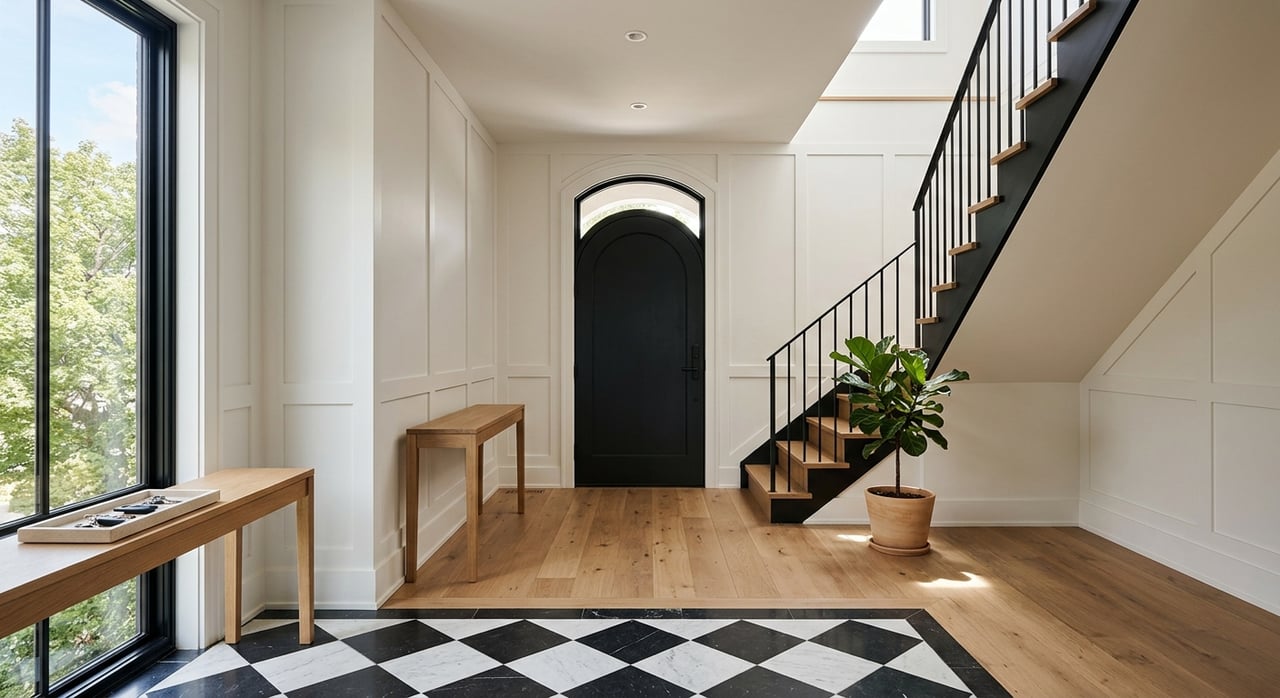
If you are drawn to Denver homes with real architectural character but still want modern livability, Highlands and LoHi likely keep landing on your radar. That makes sense. This connected pocket of northwest Denver offers something that is hard to replicate: historic roots, walkable daily life, and a mix of renovated older homes and polished infill that still feels tied to place. If you are buying, selling, or simply watching this part of the market, understanding why demand stays strong here can help you make sharper decisions. Let’s dive in.
Why Highlands and LoHi stand out
Highlands and LoHi are best understood as a connected group of adjacent districts, not one uniform luxury market. Visit Denver describes the area as a blend of Victorian-era homes and buildings, parks, independent shops, galleries, and restaurants, with activity centered around Highlands Square, Tennyson Street, and Lower Highland.
That mix matters because it shapes how the market feels on the ground. Instead of reading like a single master-planned luxury district, Highlands and LoHi offer a layered streetscape where old Denver and newer design exist side by side. For many buyers, that combination is the draw.
Historic identity still shapes demand
The area’s history is not just a backdrop. Historic Denver notes that the Town of Highlands was incorporated in 1875, and Denver has designated both Potter Highlands and Old Highland Business as historic districts.
In practical terms, that means much of the neighborhood identity is tied to early residential development. You are not shopping in a market defined mainly by large-scale new construction. You are shopping in a place where architecture, lot patterns, and preservation rules all influence value.
Scarcity is part of the story
Scarcity in Highlands is not accidental. Denver’s landmark design review process applies to new construction in historic districts, and the Potter Highlands conservation overlay protects elements such as setbacks, massing, roof forms, and the absence of rooftop decks.
The city’s character guidelines also note that lot sizes vary, with corner lots generally larger and interior lots narrower. That helps explain why especially well-positioned parcels tend to stand out. In a luxury market, constraints often become part of the premium.
Why both historic homes and infill sell
One of the most interesting things about the Highlands luxury market is that buyers are not choosing between two completely separate identities. Renovated historic homes and modern infill can both make sense here because the neighborhood supports both.
Historic Denver’s preservation philosophy treats older buildings as adaptable for modern living. Denver’s design standards also emphasize compatibility with surrounding context, which helps explain why a renovated Victorian, a carefully scaled addition, and a thoughtful contemporary home can all feel authentic on the same block.
The appeal of renovated historic homes
Renovated historic homes tend to resonate with buyers who want character you cannot easily build from scratch. Original architecture, established streetscapes, and scarce lot patterns all contribute to a sense of permanence.
In Highlands, those homes also connect directly to the neighborhood story. When updates are done well, buyers often see them as offering both charm and function rather than a compromise between the two.
The appeal of modern infill
Modern infill speaks to a different version of luxury. It often offers updated floor plans, easier maintenance, and a more turnkey ownership experience, all within the same walkable setting that draws people to Highlands and LoHi in the first place.
For some buyers, that is the winning formula. They want the energy of the neighborhood, but they prefer newer systems, cleaner lines, and a layout that fits current living patterns without the uncertainty of future project work.
What buyers are really choosing
In many cases, buyers here are not deciding between old and new in a simple way. They are deciding which version of urban luxury best fits their lifestyle.
If you love architectural detail and neighborhood continuity, a renovated historic home may feel worth the tradeoffs. If you value ease, low-maintenance living, and more contemporary design, modern infill may make more sense. The strongest listings in either category usually have a clear story and a clear audience.
Lifestyle supports luxury pricing
Highlands and LoHi benefit from an amenity base that is unusually dense for an area with so much historic housing. Visit Denver highlights boutiques, wine shops, bookstores, restaurants, rooftop seating, craft beer, and a broad dining scene, while also describing LoHi as a mix of old and ultra-modern architecture with views toward the Highland Bridge and downtown.
That concentration of daily conveniences and social destinations helps support buyer demand. You are not paying only for the house. You are also paying for the ability to step into a neighborhood experience that feels active and connected.
Walkability and recreation matter
Nearby amenities extend beyond restaurants and retail. Sloan’s Lake Park adds mountain views, a walking path, and water recreation, while Denver’s trail system helps connect neighborhoods throughout the city.
Annual events such as the Highlands Street Fair and the Colorado Dragon Boat Festival also reinforce local identity. For buyers, these details shape how a neighborhood feels over time, not just how it photographs online.
Popularity creates pressure points
Strong demand also brings practical tradeoffs. The City of Denver has identified curbside demand as a real issue in Highland, and its Highland Curbside Area Management Plan proposes tools such as paid parking, permit parking, and other curb strategies in response to increased development and higher residential density.
That may sound mundane, but it tells you something important. Highlands and LoHi are popular, active, and space-constrained. In luxury real estate, those conditions often reinforce value, especially for homes with better parking, better siting, or a more efficient relationship to the street.
What the 2026 market backdrop means
The luxury market has shifted into a more selective phase, and that matters in Highlands and LoHi. Realtor.com reports that nationally, the luxury entry point has leveled while the ultra-luxury tier has regained some momentum, and luxury buyers are generally less dependent on mortgage financing than the broader market.
Locally, Denver Metro Association of Realtors data from April 2026 points in a similar direction. The $1 million-plus market was steady, inventory increased from the prior month, median days on market rose modestly, and detached homes continued to outperform attached homes.
Detached homes have an edge
That local trend is especially relevant in Highlands. Given the area’s historic homes, conservation-protected lots, and neighborhood-scaled streets, detached properties often carry the strongest scarcity story.
For sellers, that can be a real advantage, but only when the home is positioned correctly. A detached home with character, thoughtful updates, and a strong visual presentation can still command attention in a market where buyers have become more selective.
Pricing discipline matters more now
DMAR’s commentary also notes that homes that do not go under contract in the first weekend often begin to follow more typical days-on-market patterns. It also cautions sellers against aspirational pricing.
That point is especially important in a neighborhood where owners may feel there is no true comparison for their property. In Highlands and LoHi, the best results often come from pairing a strong pricing strategy with careful preparation, rather than assuming scarcity alone will carry the sale.
How Highlands compares to other central Denver luxury areas
Compared with some other central Denver luxury options, Highlands often feels less formal and more neighborhood-scaled. The official neighborhood descriptions for Cherry Creek emphasize shopping, hotels, and dining, while Washington Park is closely tied to its large park and nearby commercial corridors.
Highlands, by contrast, stands out for its combination of historic housing stock, restaurant-driven activity, mixed architecture, and walkable streets. That does not make it better or worse. It simply means the buyer profile is often looking for a different kind of luxury experience.
What this means if you are buying
If you are considering Highlands or LoHi, it helps to define your priorities early. Think about whether you care most about architectural character, turnkey condition, lower maintenance, lot quality, or proximity to specific commercial pockets.
Because the housing stock is varied, the right home is often the one that best matches your lifestyle rather than the one that checks the most generic luxury boxes. A great strategy starts with knowing what tradeoffs you are actually willing to make.
What this means if you are selling
If you own in Highlands or LoHi, your home’s story matters. Buyers respond to clarity, especially in a neighborhood where a renovated Victorian, a design-forward duplex, and a modern detached infill can each appeal for different reasons.
That is why presentation and positioning are so important here. Thoughtful preparation, strong photography, and a pricing strategy grounded in current market conditions can help your property stand out in a selective environment.
Highlands and LoHi continue to attract buyers because they offer a rare mix of history, design, walkability, and neighborhood energy. Even as the luxury market becomes more measured, that combination still carries weight. If you want guidance on how your home fits into today’s market, or which version of Highlands living fits your goals, Shelby Richardson can help you build a smart next step.
FAQs
What makes Highlands and LoHi different from other Denver luxury neighborhoods?
- Highlands and LoHi offer a distinct mix of historic housing, modern infill, walkable streets, and a restaurant-driven neighborhood feel, rather than a more formal or retail-centered luxury experience.
Why do historic homes in Highlands hold strong appeal?
- Historic homes in Highlands benefit from architectural character, established streetscapes, and scarcity created in part by preservation rules and varied lot patterns.
Are modern homes in LoHi still competitive with historic properties?
- Yes. Modern infill appeals to buyers who want updated floor plans, newer systems, and lower-maintenance living while staying in the same connected, walkable area.
How is the 2026 Denver luxury market affecting Highlands sellers?
- April 2026 DMAR data showed a steady $1 million-plus market with higher inventory, slightly longer market times, and stronger detached-home performance, which means pricing and presentation matter more.
Why is parking such a common topic in Highland real estate?
- The City of Denver has identified curbside demand as a real issue in Highland due to increased development and higher residential density, making parking and site usability more relevant to buyers.
Should you buy a renovated historic home or newer infill in Highlands?
- The best choice depends on your priorities, including character, maintenance tolerance, layout preferences, and whether you want a more turnkey ownership experience.