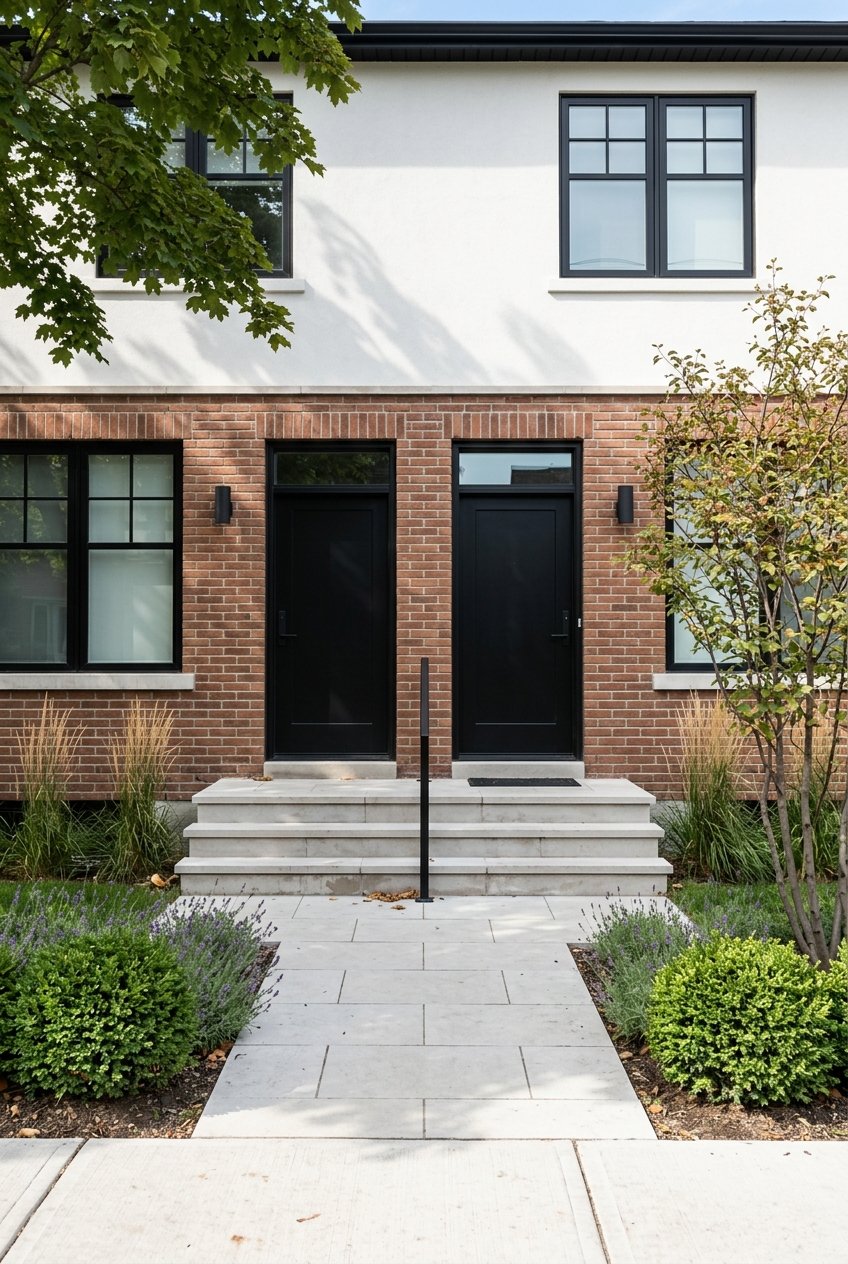
Wondering if you can offset your mortgage near Sloan’s Lake without taking on a full-scale investment property? You are not alone. Many buyers in 80212 are looking for flexible ways to live well now, create income potential, and keep their options open for the future. This guide walks you through the most practical house hacking paths around Sloan’s Lake, what Denver rules actually allow, and the filters that matter before you buy. Let’s dive in.
What house hacking means here
In simple terms, house hacking means buying a home you live in and using part of it to generate income. Around Sloan’s Lake, that often looks like one of three setups: living in one side of a duplex and renting the other, buying a single-family home with the ability to add or use an accessory dwelling unit, or renting out a room in a home you occupy.
That flexibility is especially relevant in Denver right now. The city’s citywide ADU update was adopted in November 2024 and took effect in December 2024, allowing ADUs in all residential areas and expanding eligibility across much more of Denver. For buyers around Sloan’s Lake, that creates more possibilities, but it does not remove the need to verify a specific property before you move forward.
Why Sloan’s Lake stands out
Sloan’s Lake has already been part of Denver’s broader ADU story. In 2021, Denver City Council approved a neighborhood-wide ADU rezoning in Sloan’s Lake, expanding access in an area where only about one-third of the neighborhood previously allowed them.
That history matters because it shows this is not a brand-new concept in the area. It also fits with the neighborhood’s appeal for buyers who want lifestyle and long-term utility in the same purchase. Denver is also continuing public investment around Sloan’s Lake, including environmental assessment work, restoration planning, boathouse improvements, and court upgrades.
Best house hacking options in 80212
Duplex living
For many buyers, the cleanest version of house hacking is a duplex. You live in one unit and rent the other, which keeps your use straightforward and often easier to understand from day one.
Denver’s zone descriptions show that R-2 districts are typically intended for duplexes and triplexes. Some single-unit districts may also allow duplexes on certain corners, so parcel-level review is critical before you assume a property fits this strategy.
Single-family home with an ADU
A second strong option is a single-family property with an existing legal ADU or a lot that may support building one. This can create independent living space for a renter, a household member, or future flexibility if your needs change.
According to Denver’s ADU permit guidance, ADUs are allowed in all zone districts that allow new single-unit dwellings. The city also notes practical site factors that often matter, including yard depth, alley access, and placement constraints.
Owner-occupied room rental
If you want the lightest-touch version of house hacking, room rental can be the simplest place to start. This model works best when you live on-site and rent a bedroom or portion of the home that does not function as a fully separate unit.
Denver’s rental property FAQ says that if you live on-site and rent a room or space without its own kitchen and bathroom, you do not need a residential rental license. Once the space has its own kitchen, bath, and separate entrance, the city treats it as a rental unit, which changes the compliance requirements.
What to verify before you buy
House hacking works best when you underwrite the property, not just the idea. A charming home near Sloan’s Lake may still be a poor fit if zoning, site layout, or permitting limits your plan.
Here are the main items to confirm early:
- Zoning for that exact parcel using Denver’s zoning map and zone descriptions
- Current property configuration and whether any existing second unit is legal and permitted
- Lot layout including alley access, yard depth, and access constraints
- Permit feasibility for any future ADU or conversion work
- Licensing requirements if you plan to rent a unit for 30 days or more
- HOA or private covenant rules if the property is subject to them
Denver is clear that while the citywide ADU update expands zoning eligibility, it does not regulate HOA bylaws. That means private restrictions may still affect what you can do.
ADU rules that matter most
Permits are not minor
In Denver, adding an ADU is a full permitting project. The city says new ADUs require zoning, building, and sewer use and drainage permits, and trade permits may also be required.
The same ADU permit page explains that ADUs must be built by a licensed contractor. Typical submittals include a site plan, elevations, and structural details, and a survey is required if the work is within three feet of a property line.
Owner occupancy still matters at the permit stage
For buyers targeting a single-family home in a single-unit zone district, there is an important timing issue. Denver says the owner must live in the main house when applying to build an ADU, unless the main house and ADU are being built at the same time.
That said, the city also notes that under the 2024 update, the ADU can remain in use if the owner later moves away. For a buyer thinking long term, that creates a meaningful layer of future flexibility.
Not every lot is equally easy
Even if zoning allows an ADU, site conditions can still shape cost and feasibility. Denver notes that an ADU cannot use a separate driveway from the main house unless the new access comes from an alley, shared utilities should be used where feasible, and each ADU must have its own address.
Historic designation, parkway setbacks, and tree conditions can also add complexity. Denver says ADUs in historic districts or landmark properties need a certificate of appropriateness, some parkway conditions may require an exception request, and protected trees may trigger forestry review.
Rental licensing and income strategy
Long-term rentals are the steadier fit
If your plan is to rent a separate unit for 30 days or more, Denver requires a residential rental property license. The city says this also requires a passing inspection from a certified third-party inspector, and the license remains valid for four years unless ownership changes.
Denver also states that if a tenant helps pay the mortgage, property taxes, or HOA fees, that still counts as renting. In practical terms, if money is changing hands for housing, assume you need to confirm the licensing rules before you close.
Short-term rentals are more limited
Some buyers ask whether an Airbnb-style setup can make the numbers work. In Denver, that path is narrower than many people expect.
Under the city’s short-term rental rules, stays of fewer than 29 nights require a short-term rental license, the property must be the host’s primary residence, and a person can have only one primary residence. For many Sloan’s Lake buyers, that makes long-term rental income or owner-occupied room rental the more practical framework.
Think in flexible use cases
The best house hacks near Sloan’s Lake usually work in more than one mode over time. A duplex may help offset your payment today, then serve as a long-term hold later. A single-family home with an ADU might start as an owner-occupied setup and eventually become a property with more independent rental flexibility.
Denver’s ADU materials also frame these units as space for family members, a smaller home for a renter, or supplemental income for the owner. Just remember that an ADU is tied to the main parcel and cannot be sold separately, so the value is in usability and optionality, not in creating a standalone asset.
A smart buying approach for Sloan’s Lake
In this part of Denver, the right house hack is usually the property that balances today’s livability with tomorrow’s flexibility. That means looking past surface-level charm and focusing on zoning, layout, permit path, licensing obligations, and how the home will function if your plans change.
If you want help evaluating duplexes, ADU candidates, or renovation-driven opportunities around Sloan’s Lake, Shelby Richardson brings a strategic, detail-oriented approach to Denver properties with income and design upside.
FAQs
What is the simplest house hacking option near Sloan’s Lake?
- The simplest option is often owner-occupied room rental, especially if the rented space does not have its own kitchen and bathroom.
Can you build an ADU on any Sloan’s Lake property?
- No. Denver has expanded ADU eligibility citywide, but you still need to verify zoning, lot conditions, access, and any private HOA or covenant restrictions for the specific parcel.
Do Denver ADUs require permits and a contractor?
- Yes. Denver says new ADUs require multiple permits and must be built by a licensed contractor.
Do you need a rental license for a long-term rental in Denver?
- Yes. Denver requires a residential rental property license for any dwelling unit rented for 30 days or more.
Can a Sloan’s Lake ADU be sold separately from the main house?
- No. Denver says an ADU is part of the main parcel and cannot be sold as a separate property.
Is short-term rental income easy to use for house hacking in Denver?
- Not usually. Denver limits short-term rentals to a host’s primary residence and requires a short-term rental license for stays of fewer than 29 nights.