Looking for a Denver neighborhood where daily life can revolve around green space without giving up city convenience? That is the appeal of Washington Park East. If you are considering a move here, it helps to understand how the park shapes the rhythm of the neighborhood, what the housing stock really looks like, and why this area continues to draw steady interest from buyers. Let’s dive in.
Wash Park East at a glance
Washington Park East is the east-side residential neighborhood tied to Washington Park. According to WPENA, its boundaries are Alameda Avenue to the north, I-25 to the south, University Boulevard to the east, and Franklin Street to the west. The neighborhood includes about 3,400 households, which gives it a defined residential identity rather than a loose park-adjacent label.
This part of Denver grew during the South Denver era after incorporation in 1886. Streetcar service arrived in 1889 and helped speed up early settlement, which still shows up today in the neighborhood’s older housing patterns and walkable layout. That history matters because it helps explain why Wash Park East feels established, layered, and architecturally varied.
Park living drives daily routine
The biggest draw here is simple: Washington Park is not just nearby, it becomes part of your everyday life. Visit Denver describes the park as a year-round destination for walking, running, and cycling, with a roughly 2.3-mile paved inner loop and a 2.6-mile outer dirt path. For many residents, that means your morning workout, evening stroll, or weekend reset can happen just minutes from home.
The park also offers more than trails. It includes two lakes, gardens, fields, playgrounds, and picnic areas, which gives the area a strong all-ages, all-seasons appeal. You are not limited to one kind of outdoor use, so the park supports everything from solo exercise to relaxed family time.
Denver Parks & Recreation also lists Washington Park as an Adventure Hub location. Rentals include kayaks, stand-up paddleboards, pedal boats, beach cruisers, and surreys, and most park lakes allow hand-launched, human- or wind-powered boating. If you want an active lifestyle without leaving the neighborhood, that is a real advantage.
What the park feels like day to day
Living near Washington Park is often less about occasional recreation and more about daily rhythm. You might start the day with a run on the paved loop, take your dog out by the lakes, or spend part of a weekend on the water. Because the park supports so many different uses, it tends to stay relevant year-round.
Visit Denver also notes birdwatching opportunities, including waterfowl and even bald eagle sightings. That adds another layer to the experience of living nearby. Even in the middle of the city, the park offers moments that feel quieter and more connected to nature.
The historic boathouse is another part of the setting that gives Washington Park its recognizable character. Completed in 1913 and renovated in 2012, it remains part of the lakeside landscape and is listed on both the National Register and the Colorado State Register. For buyers who care about setting and visual identity, details like this help the area feel distinctive.
A neighborhood built around people, not through-traffic
One of the more practical things to know is how circulation works around the park. Denver currently routes vehicle access to the Washington Park Recreation Center via Franklin Street at the Exposition and Kentucky entrances. That setup helps reinforce the area’s pedestrian-focused feel rather than making the park read like a drive-through destination.
For you as a buyer, that can shape how the neighborhood lives on a daily basis. Streets near the park often feel oriented toward walking, biking, and local use. That is an important distinction if you are comparing Wash Park East with other Denver neighborhoods that have green space but less of a true park-centered lifestyle.
Community life adds to the appeal
Wash Park East is not just about scenery. It also has an active community calendar that helps the area feel connected and lived-in. WPENA highlights neighborhood touchpoints such as a July 4th celebration, an annual yard sale, concerts, happy hours, and meetings.
There are also recurring events and volunteer activities tied to the park itself. Humane Colorado’s annual Furry Scurry takes place at Washington Park as a two-mile dog walk, and FANS organizes birdwatching, tree and garden tours, mulch application, ditch cleanup, and talks on pollinators and wildlife. These details matter because they show that the park is used as shared civic space, not just open land on a map.
Housing character in Wash Park East
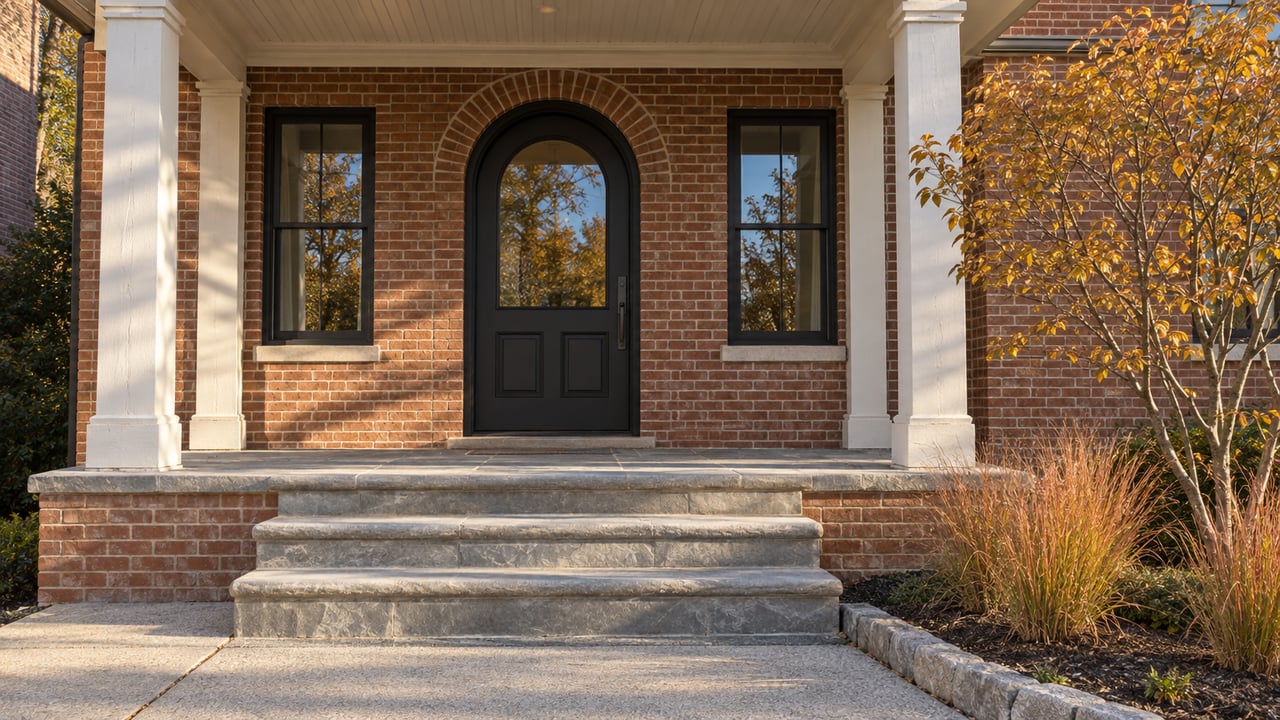
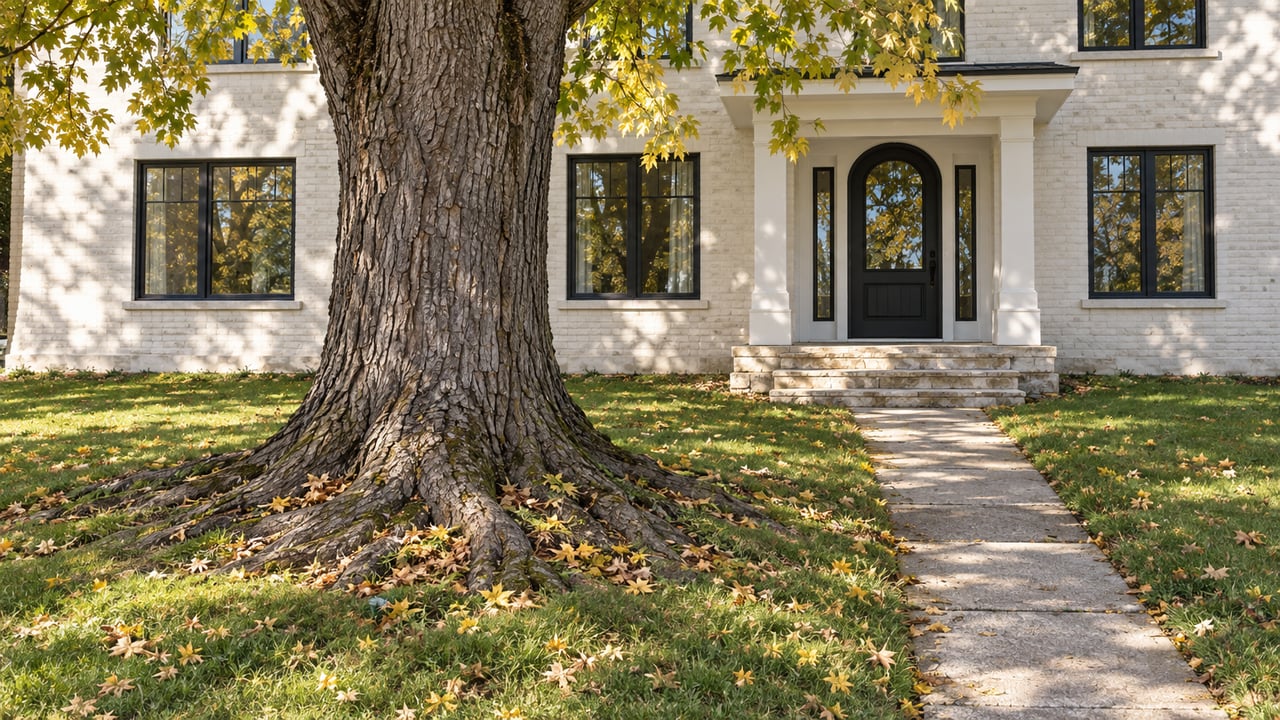
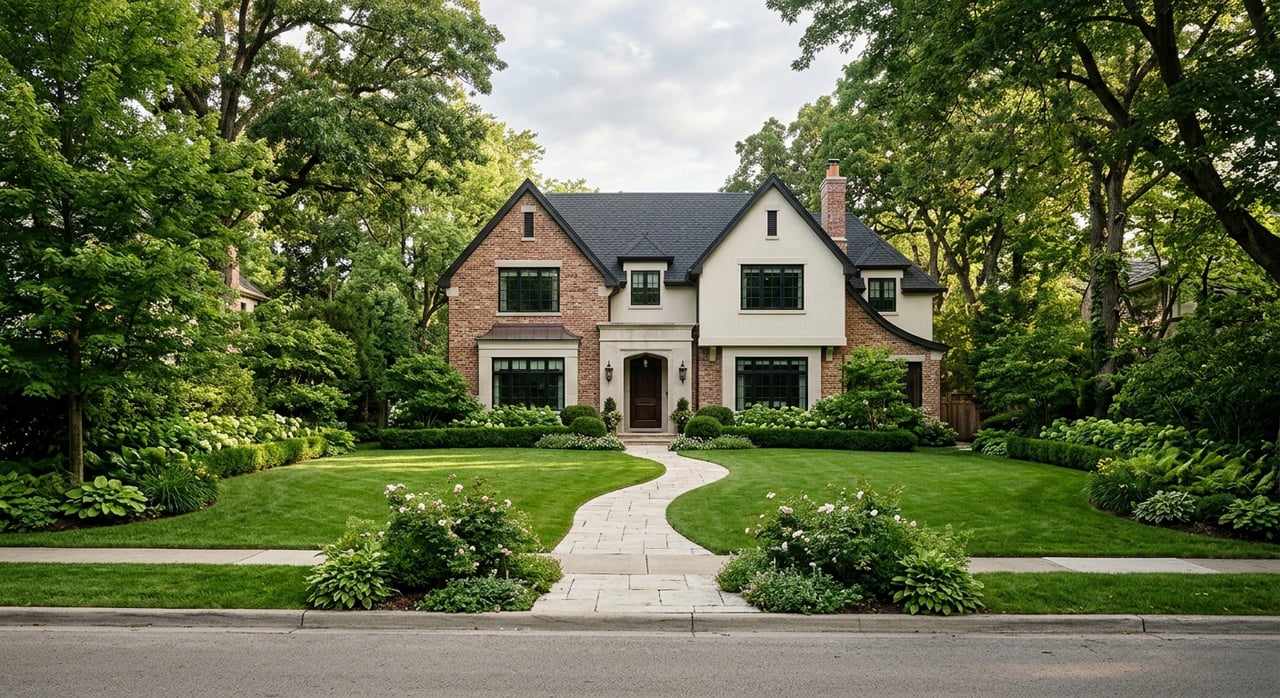
If you are shopping for a home here, expect variety instead of one single architectural style. WPENA describes Wash Park East as one of Denver’s architectural gems, with bungalows and Tudors alongside Denver Squares and colonials. The safest way to think about the area is as an early-20th-century single-family neighborhood with preserved historic houses, renovated homes, and some newer infill.
That mix is part of the neighborhood’s appeal. Some buyers are drawn to original detailing and historic character, while others want an updated home that still fits an established streetscape. In Wash Park East, you can see both, sometimes on the same block.
The neighborhood’s housing story also includes preservation pressure. Residents organized in 1999 to protect historic character as some smaller historic houses were expanded by pop-tops or scraped entirely. For buyers and sellers, that background helps explain why architectural character is such an important part of how the neighborhood is discussed and valued.
What buyers should notice on each block
In a neighborhood like Wash Park East, block-by-block feel matters. Because the housing stock includes preserved older homes, major renovations, and newer infill, your experience can vary depending on the street and the immediate mix of properties. It is worth paying attention not just to square footage, but also to how a home fits into its surroundings.
This is where local guidance can make a real difference. If you are buying, you want to understand how original condition, thoughtful updates, or newer construction may affect both your lifestyle and future resale appeal. If you are selling, presentation matters even more in a neighborhood where buyers often notice architecture, design, and curb appeal right away.
Retail access supports the lifestyle
A park-centered neighborhood still needs everyday convenience, and Wash Park East benefits from nearby commercial areas. WPENA says South Gaylord remains the neighborhood’s largest business area. Visit Denver also notes that South Pearl Street is only a few blocks away, with coffee shops, taverns, breweries, restaurants, and a Sunday farmers market that runs from May through November.
That balance is one of the neighborhood’s strongest lifestyle advantages. You can have a residential setting with meaningful green space while still being close to places for coffee, dinner, errands, or a weekend market stop. In practice, that gives Wash Park East a more complete liveability than neighborhoods that offer only one side of the equation.
Why Wash Park East stays in demand
The strongest way to think about Wash Park East is park-first urban living. You get a residential district anchored by one of Denver’s best-known daily-use parks, plus nearby retail streets and a housing stock with real architectural identity. That combination tends to support lasting buyer interest.
For many buyers, the appeal is not just the park itself. It is the way the park, the homes, and the nearby commercial areas all work together. When a neighborhood offers outdoor access, established character, and practical convenience in one place, it tends to stand out.
For sellers, that means the story of a home often extends beyond the property lines. The neighborhood lifestyle is part of the value proposition, especially when a listing is positioned with clear attention to design, setting, and day-to-day experience.
How to think about your move
If you are considering buying in Wash Park East, focus on how you want to live there every day. Do you want quick access to the loop for morning runs, proximity to the lakes, or easier reach to South Gaylord or South Pearl? The right fit often comes down to matching the micro-location and home style to your routine.
If you already own in the neighborhood and are thinking about selling, preparation and positioning matter. In an area known for architectural character and strong lifestyle appeal, buyers tend to respond to homes that are thoughtfully presented and marketed with precision. That is especially true when a home’s design details, updates, and location advantages are clearly communicated.
Whether you are buying your first place near the park, searching for a design-forward move-up home, or planning the sale of a property in this part of Denver, local context counts. If you want a tailored strategy for Wash Park East, connect with Shelby Richardson for a market strategy call or home valuation.
FAQs
What is Washington Park East in Denver?
- Washington Park East is the east-side residential neighborhood associated with Washington Park, bounded by Alameda Avenue, I-25, University Boulevard, and Franklin Street according to WPENA.
What is it like living near Washington Park?
- Living near Washington Park means easy access to walking, running, cycling, lakes, gardens, playgrounds, picnic areas, and seasonal outdoor activities that can become part of your daily routine.
What kinds of homes are in Wash Park East?
- Wash Park East includes early-20th-century single-family homes, including bungalows, Tudors, Denver Squares, and colonials, along with renovated properties and some newer infill.
Is Wash Park East only about the park?
- No. The neighborhood is also supported by nearby commercial areas like South Gaylord and nearby South Pearl Street, which add dining, shopping, and farmers market access to the lifestyle.
Are there community events in Washington Park East?
- Yes. WPENA highlights events such as a July 4th celebration, annual yard sale, concerts, happy hours, and meetings, and park-related groups also organize nature and volunteer activities.
Why do buyers look at Wash Park East homes?
- Buyers are often drawn to the combination of park access, established residential character, architectural variety, and proximity to nearby retail streets.