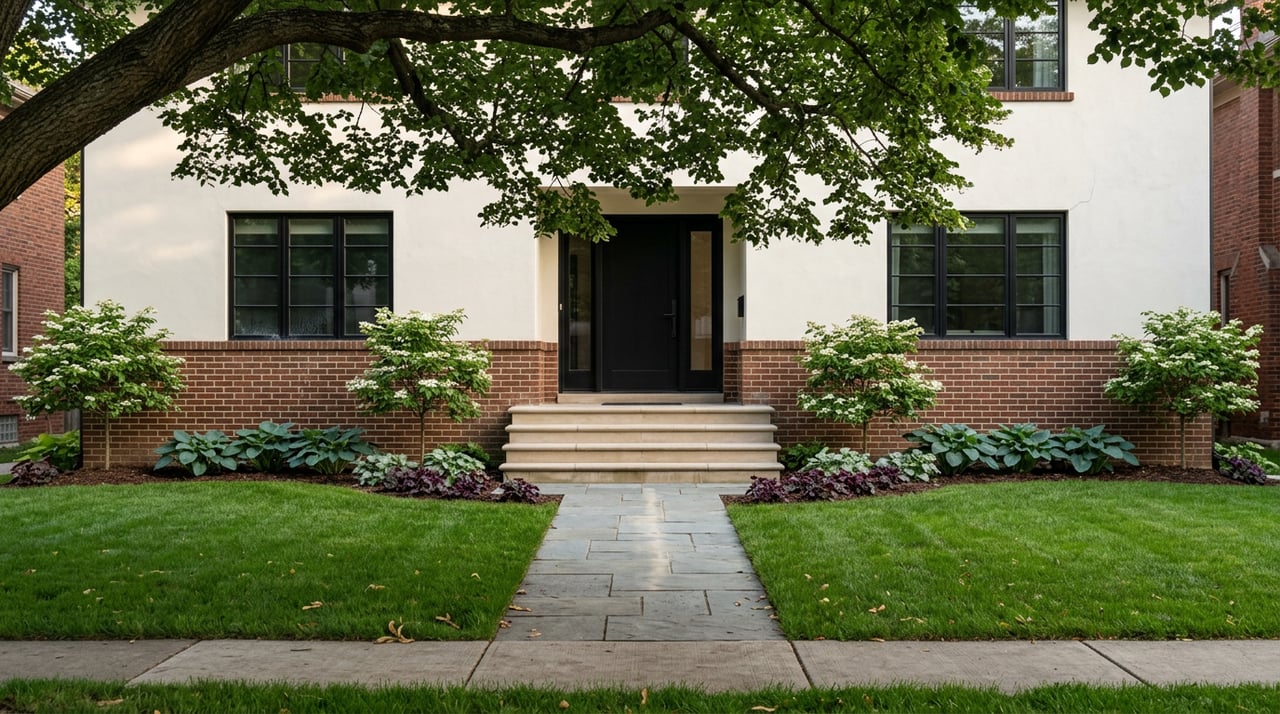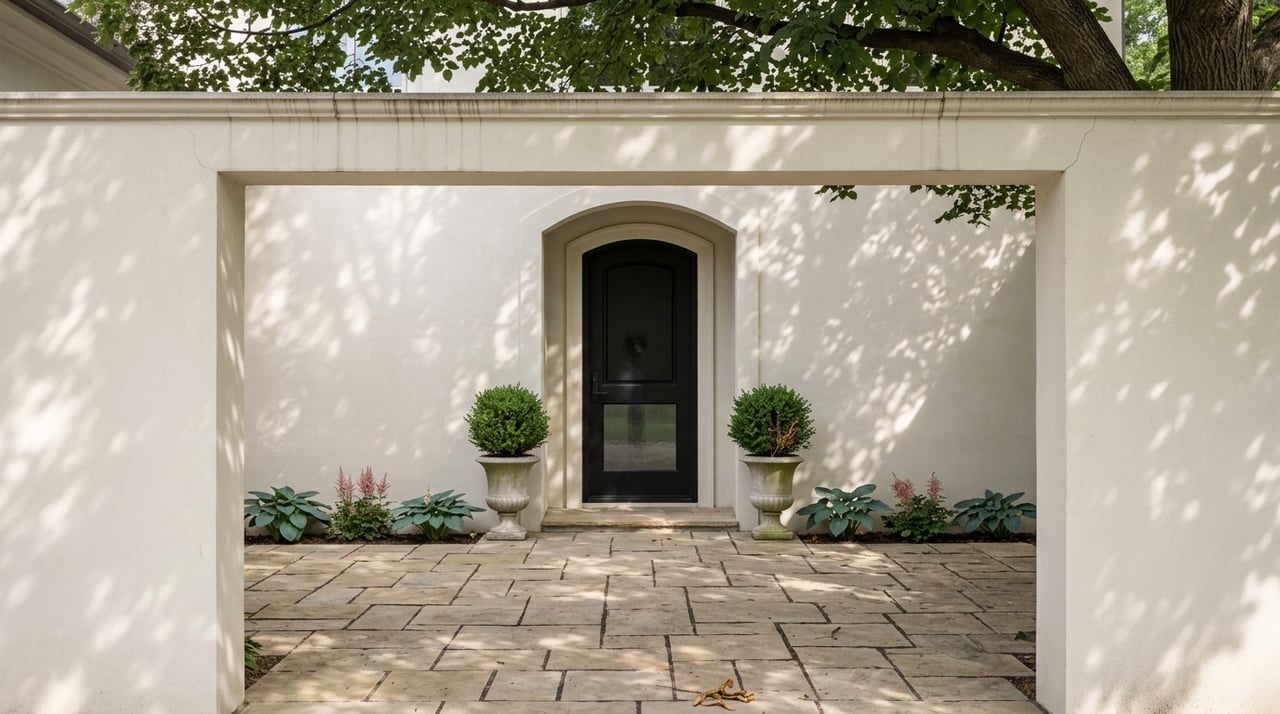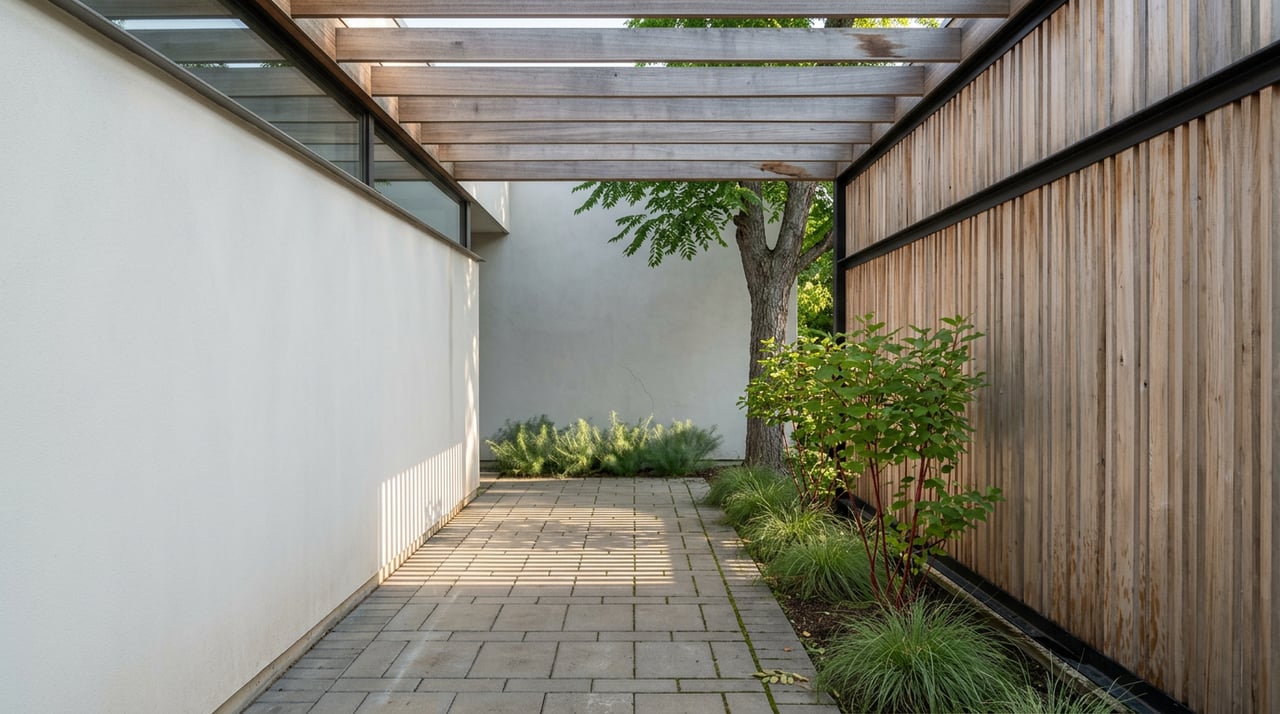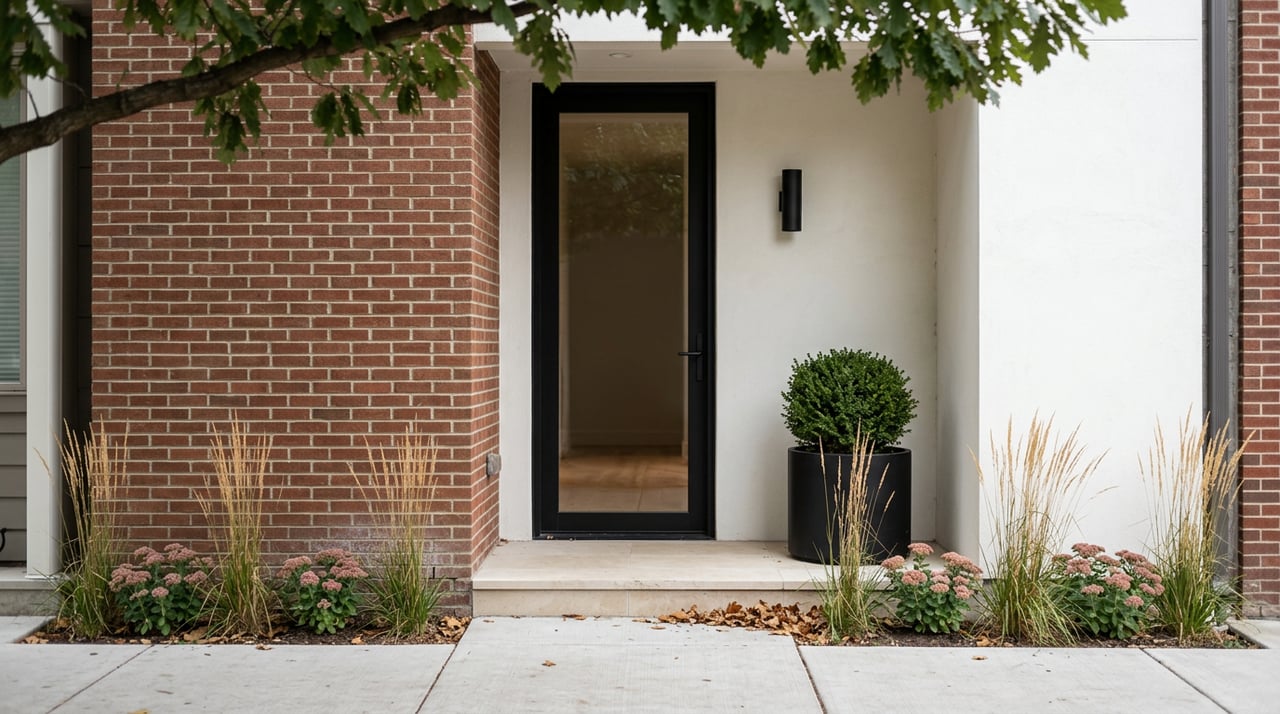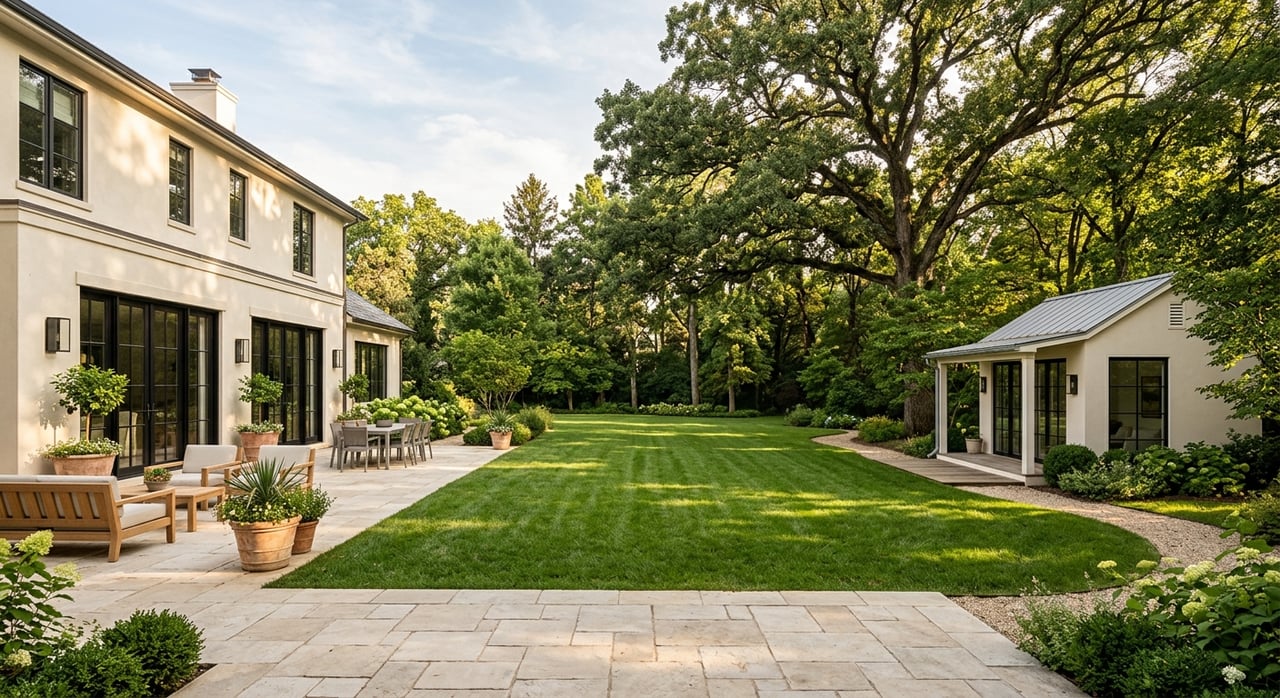
If you are drawn to the idea of more outdoor space without leaving central Denver, Bonnie Brae and Belcaro deserve a close look. Both neighborhoods are known for a calmer, greener residential feel, but the appeal of larger lots goes beyond simple yard size. You get a different rhythm of daily life, along with different design opportunities and property considerations. Let’s dive in.
Why Larger Lots Feel Different Here
Bonnie Brae and Belcaro both reflect Denver’s close-in suburban pattern rather than a strict city grid. Curving streets, varied block shapes, and a more residential scale help these neighborhoods feel softer and less rigid than denser central areas.
In practical terms, that often means more visual breathing room between homes, more mature landscaping, and a stronger sense of privacy. The street patterns and setbacks play a big role in that experience, especially compared with tighter urban blocks.
Bonnie Brae’s Planned, Park-Like Layout
Bonnie Brae was planned in the 1920s as a picturesque suburb. Its layout was designed with interlaced curving streets, a diagonal boulevard, and a centrally located elliptical park as a focal point.
That planning still shapes how the neighborhood lives today. Instead of feeling repetitive, many blocks have a more organic flow, and the neighborhood’s roughly 650 to 700 homes sit within a setting that feels intentionally residential and visually connected.
Bonnie Brae Boulevard Adds Open Space
Bonnie Brae Boulevard is one of Denver’s designated parkways. Denver’s parkway guidelines describe these streets as broad and landscaped, with spacious tree lawns, open space from curb to building edge, and homes set back while still facing the street.
For you as a buyer or homeowner, that can translate into stronger front-yard presence, more shade, and more room for outdoor living. It also helps explain why homes on larger lots here often feel especially charming rather than simply oversized.
Belcaro’s Estate-Like Character
Belcaro has a different origin story. The neighborhood’s identity is closely tied to the Phipps House, a 1932 Georgian residence that stood on an 11-acre estate with gardens, a greenhouse, a tool shed, and a tennis house.
That estate background still influences how Belcaro feels today. The neighborhood often reads as more enclosed and estate-like, with a premium on mature landscaping, separation from nearby homes, and a quieter visual character.
Gardens Shape the Belcaro Experience
The historic estate grounds included four principal garden areas, and the east and west sides were described as park-like. That landscape tradition helps explain why larger lots in Belcaro often appeal to buyers who value usable backyards, established trees, and outdoor spaces that feel integrated into the home.
In a market where lot size can mean many different things, Belcaro stands out because the larger parcels often carry a strong sense of setting. It is not only about square footage. It is about how the land frames the home.
What Larger Lots Can Mean for Daily Living
The biggest advantage of a larger lot is often flexibility. You may have more room for gardens, patios, outdoor dining, lawn space, or a detached garage project, depending on the property.
These neighborhoods also tend to support a lifestyle that feels more settled and design-conscious. Mature trees, deeper setbacks, and broader landscaped areas can make outdoor space feel like an extension of the house rather than leftover land.
Common Benefits Buyers Notice
- More room for outdoor entertaining
- Better separation between home and street
- More gardening potential
- Stronger curb presence
- More options for backyard use
- Greater value from mature landscaping
Of course, the way a lot functions depends on the specific parcel. Shape, setbacks, zoning, and existing trees all matter just as much as overall lot size.
Architectural Fit Still Matters
In both neighborhoods, larger lots do not mean anything goes. The homes and landscapes already set a tone, and the most successful updates usually respect that context.
Bonnie Brae is generally known for older, human-scale homes rather than estate-scale residences. Its housing mix is commonly described as including Tudor Revival, Craftsman bungalow, ranch, and some Modernist homes.
What Tends to Feel Natural in Bonnie Brae
Because of that character, additions that preserve the original roofline, masonry feel, and low-rise scale often blend more comfortably. The goal is usually to expand function without overwhelming the lot or disrupting the neighborhood’s established rhythm.
For buyers considering renovations, this is an important lens. A larger lot may create opportunity, but thoughtful design tends to matter just as much as available space.
Belcaro Allows More Design Variety
Belcaro’s look is more layered. Alongside the formal Georgian influence of the Phipps Mansion, the area also includes rambling one-story California Contemporary ranches and post-war ranch-style homes.
That means the neighborhood can support a wider mix of design eras. Even so, scale and landscape continuity remain important, especially on lots where mature trees and established yard patterns are a defining part of the setting.
What to Know About ADUs and Additions
If you are exploring the potential of a larger lot, accessory spaces are often part of the conversation. In Denver SU zone districts, one accessory dwelling unit is permitted per primary dwelling unit.
The size cap is 864 square feet on lots of 7,000 square feet or less and 1,000 square feet on larger lots. The code also requires same ownership, owner occupancy at the time of permit application in SU zones, and generally does not allow a separate driveway unless the project uses new alley access.
Design Rules Can Affect Plans
Denver also places limits on exterior configuration. For example, outside stairs cannot face the street on the primary residence facade in these situations.
That may sound technical, but it matters early in the planning process. A lot may be large enough for an ADU or garage project, yet the best location and layout still depend on access, placement, and code details.
Trees, Preservation, and Review Matter Too
Lot size is only part of the story in Bonnie Brae and Belcaro. Denver layers zoning with design and preservation review in certain cases, and that can directly affect what you can build or change.
According to the city, Landmark Preservation reviews exterior alterations, additions, new construction, signs, and non-vegetative site work for properties in historic districts or on designated landmark sites. In residential zone districts, established trees in primary and side street setbacks must be preserved unless they are diseased or decayed and approved for removal.
Why Site Planning Is So Important
This is where larger lots can become more nuanced than they first appear. Tree placement, alley access, setback conditions, and preservation status can all shape the real opportunity.
If you are buying with future plans in mind, it helps to evaluate the parcel as carefully as the house itself. Two homes with similar lot sizes may offer very different options once zoning and site conditions are reviewed.
How to Evaluate a Larger-Lot Home
If you are comparing homes in Bonnie Brae or Belcaro, it helps to look beyond the listing photos and ask more focused questions.
Here are a few smart points to consider:
- How much of the yard is truly usable?
- Where are the mature trees located?
- Does alley access improve future garage or ADU options?
- Are there preservation or design review considerations?
- Does the home’s scale fit the lot well today?
- Would an addition feel natural within the existing architecture?
These questions can help you distinguish between a property that simply has land and one that offers meaningful long-term flexibility.
Why Buyers and Sellers Both Pay Attention
For buyers, larger lots in Bonnie Brae and Belcaro can offer a rare blend of space, setting, and close-in convenience. For sellers, those same qualities often shape how a home should be positioned and marketed.
A larger lot is not just a data point. In these neighborhoods, it is part of the lifestyle story, the architectural story, and often the future-value story too. The most effective strategy is to understand how the land, house, and neighborhood context work together.
If you are thinking about buying or selling in Belcaro or Bonnie Brae, working with someone who understands design, lot potential, and neighborhood context can make a real difference. Shelby Richardson offers thoughtful guidance, detailed market insight, and a polished strategy tailored to Denver’s most distinctive residential neighborhoods.
FAQs
What makes larger lots in Bonnie Brae feel different from other Denver neighborhoods?
- Bonnie Brae’s curving streets, parkway design, setbacks, and landscaped character create a greener, more open feel than a typical city grid.
What gives Belcaro its estate-like character?
- Belcaro grew around the historic Phipps estate, which included extensive gardens and park-like grounds that still influence the neighborhood’s sense of space and landscape.
What can you potentially do with a larger lot in Belcaro or Bonnie Brae?
- Depending on the parcel, larger lots may create room for gardens, patios, garages, or an accessory dwelling unit, but zoning, trees, access, and preservation review can affect what is possible.
What are Denver’s ADU size limits for larger lots?
- In SU zone districts, one ADU is allowed per primary dwelling unit, with a size cap of 1,000 square feet on lots larger than 7,000 square feet.
Why do mature trees matter when evaluating a larger-lot property in Denver?
- Denver requires established trees in primary and side street setbacks to be preserved in residential zone districts unless they are diseased or decayed and approved for removal.
What should buyers look at besides lot size in Bonnie Brae and Belcaro?
- You should also review lot shape, setbacks, alley access, tree placement, preservation status, and how well the home’s scale and design fit the site.