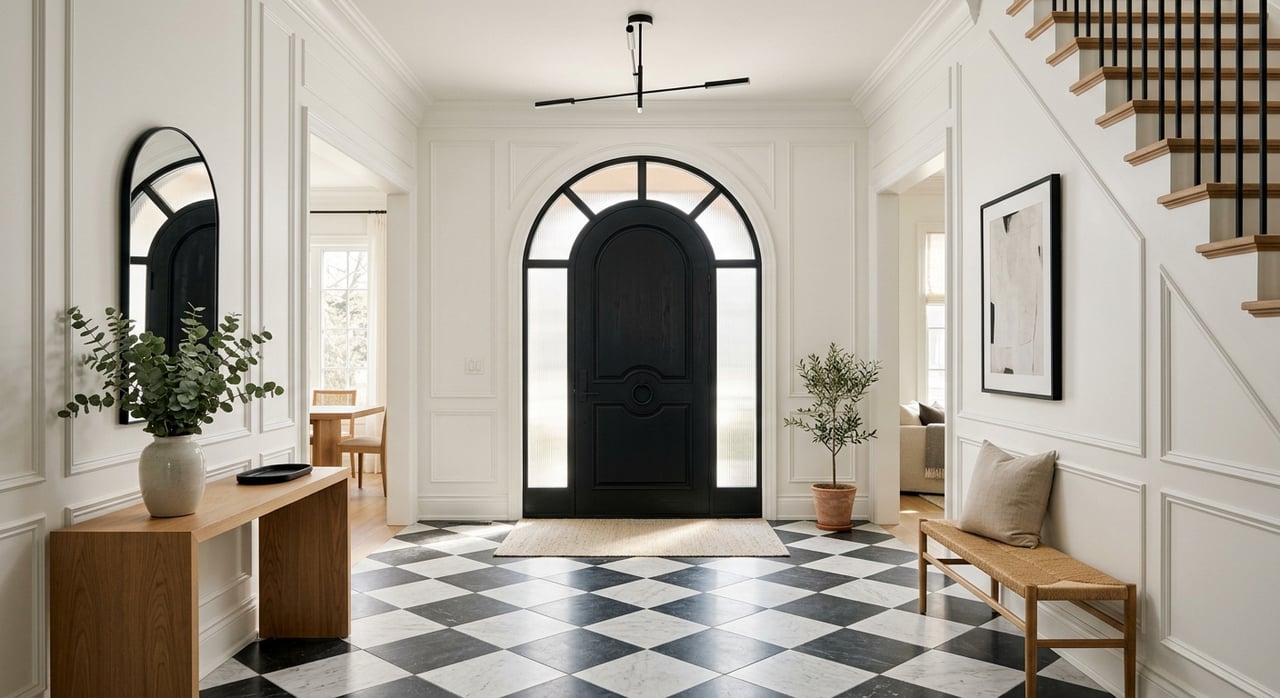
If you have ever wondered why one Hilltop home commands a premium while another sits closer to the pack, the answer is usually not just square footage. In this part of Denver, buyers often pay more for a specific mix of land, location, architecture, and finish level. If you are buying, selling, or simply tracking the neighborhood, understanding those value drivers can help you make smarter decisions. Let’s dive in.
Hilltop Is Performing Like a Luxury Market
Hilltop is behaving like a true luxury neighborhood, not a broad middle-market pocket of Denver. For the three months ending May 2026, Redfin reports a median sale price of $1,895,852, up 16.0% year over year, with a median price per square foot of $544.
Speed matters too. Redfin shows homes selling in a median of 7 days, while Realtor.com also characterizes Hilltop as a seller’s market. Even if platforms use different timing windows, the practical takeaway is the same: Hilltop remains competitive, and values should be judged against close neighborhood comps, not citywide averages.
Location Premiums Start With Lifestyle Access
Luxury value in Hilltop is tied to more than the house itself. Buyers are often drawn to the balance between calm residential streets and easy access to some of Denver’s most established amenity areas.
Cherry Creek North is one of the clearest examples. The district spans 16 blocks and includes more than 75 boutiques, 50-plus restaurants and bars, 30-plus spas and fitness centers, 5 boutique hotels, and more than 175 small businesses. For many buyers, Hilltop offers the appeal of a quieter home base with convenient access to shopping, dining, and wellness options nearby.
Block-by-Block Position Can Change Value
Not every Hilltop address trades the same way. Within the neighborhood, block-level positioning can influence pricing in a meaningful way.
Proximity to parks, recreation, and nearby dining can shape buyer demand. Local coverage of a $2.845 million Hilltop home highlighted that it sat a half block from Denver Tennis Club, two blocks from Robinson Park, and five blocks from Holly Street dining. That kind of placement can make a property feel more connected and more convenient, even when homes are otherwise similar on paper.
Views and Open Space Matter in Hilltop
Hilltop also benefits from a premium tied to views and open space. Cranmer Park plays a major role here, especially because Denver preserves a Cranmer Park view plane under municipal code to protect mountain views.
That means sightlines are not just a nice bonus. Lots with better orientation, stronger views, or less chance of future obstruction can carry more value. In a luxury neighborhood, protected visual appeal can become part of what buyers see as irreplaceable.
Hilltop’s Character Supports Long-Term Appeal
Part of Hilltop’s value comes from its established identity. According to the Denver Public Library’s Hilltop StoryMap, the neighborhood’s development was shaped by major historical eras including the Silver Panic of 1893, the Great Depression, and the Korean War.
That history helps explain why Hilltop feels layered and established rather than newly assembled. Buyers are often responding to accumulated neighborhood character, mature streetscapes, and a residential fabric that has evolved over time.
Lot Size Is One of the Biggest Drivers
In Hilltop, land carries real scarcity value. One reason is the Hilltop Heritage Conservation Overlay District, which limits many new or subdivided zone lots to at least 75 feet in width and 9,300 square feet in size under Denver’s zoning code.
That matters because larger, usable parcels are harder to replicate. A third-acre site is often treated as notable in Hilltop, and recent local examples have emphasized just how much value buyers place on site size, outdoor flexibility, and privacy. When a buyer can get more land in a neighborhood with supply constraints, that premium is often durable.
Usable Outdoor Space Adds Luxury Appeal
Outdoor living is not an afterthought in Hilltop. It is part of the value equation, especially for buyers who want their home to live well beyond the interior walls.
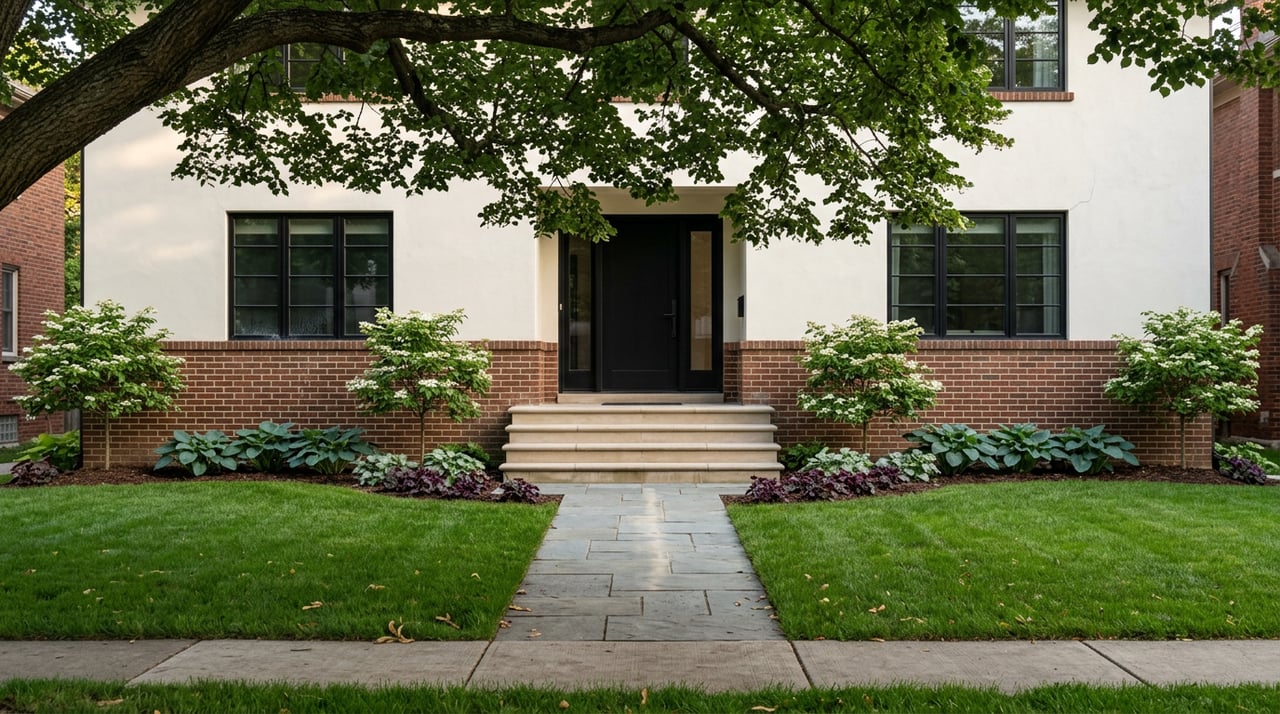
Covered patios, functional backyards, landscaped grounds, and strong curb appeal can all strengthen pricing. National remodeling data cited in the research shows that curb appeal remains highly important to buyers, and Hilltop examples reinforce that point with expansive outdoor entertaining areas, French doors opening to the yard, and larger lots that function like true extensions of the home.
Pools can add value too, but context matters. Realtor.com’s 2025 pool data says pool homes still carry a national premium of 54%, though that premium has softened from pandemic highs. In Hilltop, a pool may help most when it is part of a larger package that already includes lot size, privacy, and strong outdoor design.
Architecture Shapes Buyer Perception
Hilltop does not derive its value from one single architectural style. In fact, part of its luxury appeal comes from the variety.
The neighborhood includes homes associated with architect Victor Hornbein, and local reporting has featured French eclectic, Tudor, and midcentury modern properties. Buyers often respond strongly to homes that either preserve their original design language or reinterpret it in a way that still feels appropriate for the block.
In other words, architecture is not just about taste. It can affect how well a home fits into the surrounding streetscape, and that fit often influences perceived value.
Renovation Quality Often Matters More Than Renovation Volume
A long upgrade list does not always create the strongest return. In Hilltop, buyers tend to reward homes that feel cohesive, finished, and move-in ready rather than homes with scattered updates that do not work together.
The 2025 Remodeling Impact Report estimates about 60% cost recovery for a complete kitchen renovation, 50% for a bathroom renovation, and 54% for a new primary suite. A new steel front door can recover 100% of cost, while windows typically recover about 71% to 74%.
For sellers, the lesson is practical. Smaller, visible improvements with broad appeal can sometimes outperform a highly customized remodel when it comes to resale value. In a design-conscious neighborhood like Hilltop, quality and consistency usually matter more than simply spending more.
What Buyers Should Pay Up For
If you are buying in Hilltop, the strongest premiums are usually attached to features that are hard or impossible to recreate later. Those include larger lots, protected views, prime block positioning near parks or amenity corridors, and an architectural shell with lasting appeal.
Cosmetic finishes are easier to change. Site quality is not. If a home’s value is mostly wrapped up in aesthetic updates, you may have more room to negotiate than you would on a property with truly rare land, location, or view advantages.
What Sellers Should Use to Price Correctly
If you are selling in Hilltop, broad Denver luxury data is not enough. The most defensible pricing strategy comes from comparing your home to recent Hilltop sales with similar lot size, architectural era, renovation level, outdoor package, and access to views, parks, or nearby amenities.
For example, a renovated 0.37-acre midcentury home should not be priced the same way as a classic Tudor on a smaller lot just because both are in Hilltop. In a fast-moving market, overpricing can reduce momentum quickly, which is why precise positioning matters from day one.
The Real Formula Behind Hilltop Luxury Values
Hilltop’s strongest premiums usually come from a combination of scarcity and livability. Larger usable land, respected architectural character, high-quality renovation, and outdoor spaces that function as real living areas tend to drive the biggest value gains.
That is also why two homes with similar square footage can perform very differently. In Hilltop, the market often rewards what feels hard to replace, easy to enjoy, and well aligned with the neighborhood itself.
If you are thinking about buying or selling in Hilltop, a sharp read on these details can make a meaningful difference in your outcome. For a tailored pricing strategy or a design-forward plan to position your home, connect with Shelby Richardson.
FAQs
What drives luxury home values in Hilltop most?
- The biggest drivers are usually lot size, block location, proximity to amenities, views, architectural fit, renovation quality, and usable outdoor living space.
Do views add value to Hilltop homes?
- Yes. Denver preserves the Cranmer Park view plane under municipal code, so mountain views and protected sightlines can be meaningful pricing factors.
Does a larger lot matter in Hilltop?
- Yes. Hilltop’s conservation overlay limits many new or subdivided lots to at least 75 feet wide and 9,300 square feet, which makes larger parcels harder to find and often more valuable.
Should sellers renovate before listing a Hilltop home?
- Often, targeted improvements and strong curb appeal are safer than a full custom remodel, since remodeling projects do not always return their full cost at resale.
Do pools always increase value in Hilltop?
- Usually they can help, but not automatically. Pool premiums are market-dependent and tend to work best when the home also offers strong lot size, privacy, and well-designed outdoor space.
Why is pricing a Hilltop home so specific?
- Hilltop is competitive and block-by-block differences matter, so pricing should rely on recent neighborhood comps that match the home’s lot, style, condition, and location features.