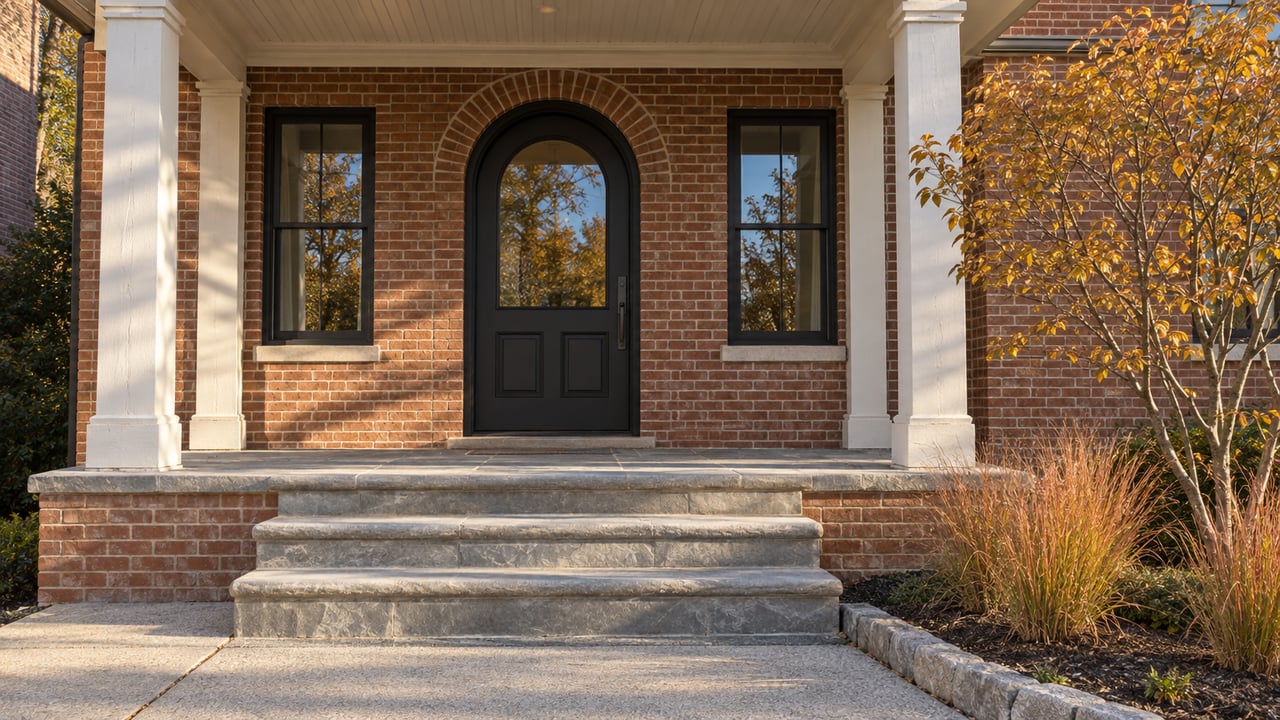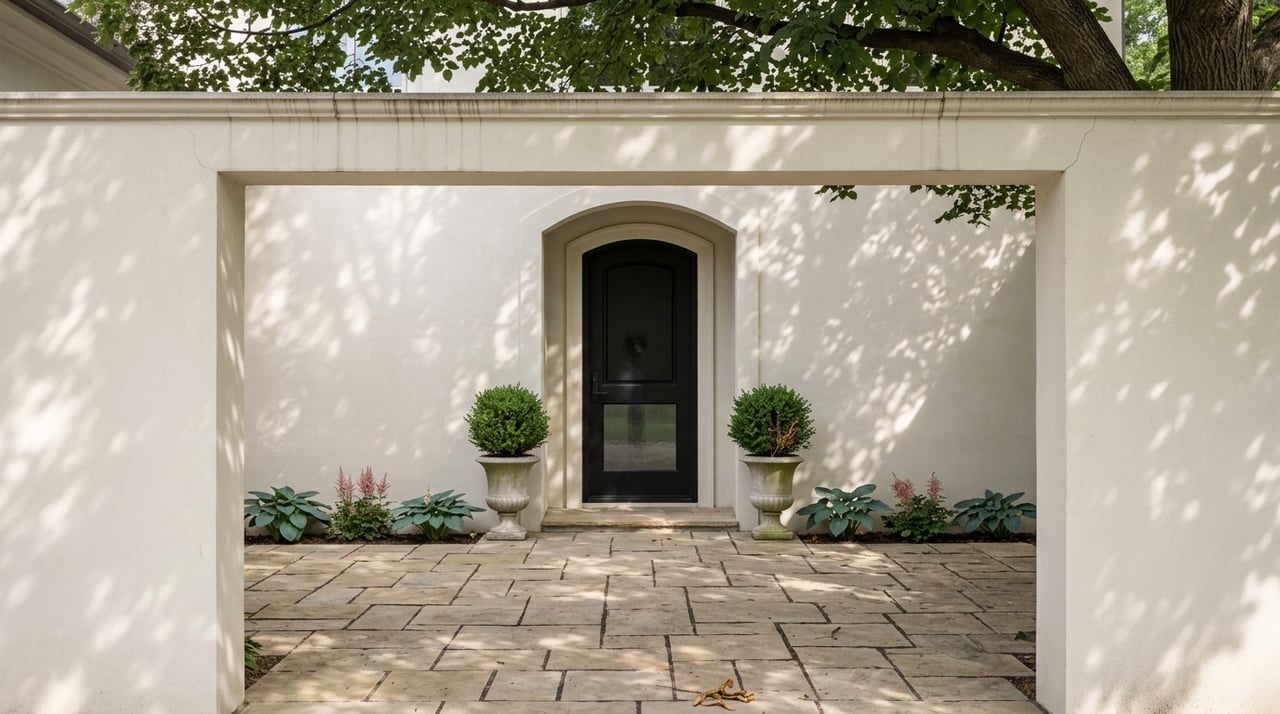
Walk east on Sixth Avenue from Gilpin some evening this month and the patio at 1313 is full again. Not fireworks-full, just steady: a four-top splitting oysters, a couple sharing dessert, someone's dog tied to the rail while its owner finishes a glass of wine. Three months ago this would have been unremarkable. A year and a half ago, it would have been strange, because the space sat dark, waiting.
That address spent nearly two decades as Fruition, one of Denver's earliest examples of a chef-driven restaurant built around Colorado ingredients in a neighborhood setting rather than a downtown one. When it closed, the neighborhood didn't just lose a restaurant. It lost the answer to a question nobody had needed to ask in eighteen years: what goes here next.
A Street That Doesn't Turn Over
Denver's restaurant scene moves fast. In January 2026 alone, the city counted 26 new restaurant and bar openings against 16 closures, a pace of change that would make any single block feel temporary if you tried to keep up with it citywide. Sixth Avenue, at least the stretch that runs along the northern edge of Country Club Historic District, does not behave like that. The Country Club Historic Neighborhood association describes its boundaries as running from Downing Street on the west to University Boulevard on the east, with 4th and 6th Avenues forming the northern edge, which means Sixth Avenue isn't a corridor residents drive past. It's the literal edge of the block some of you live on.
Chef Alex Seidel opened Fruition in 2007 and ran it for eighteen years, one of the earliest examples in Denver of a chef-driven restaurant that treated a neighborhood setting as a feature, not a compromise. In that same stretch of time, the city around it went through multiple restaurant cycles. Sixth Avenue had exactly one.
That's the part worth sitting with before you even get to what replaced it. A corridor that only changes hands once in eighteen years isn't a hot strip chasing trends. It's a street where consistency is the product, and where anyone taking over an address inherits a relationship with the block, not just a lease.
What Actually Changed at 1313
According to Westword, Madeline opened on May 7, 2026, under chef Quincy Cherrett, and it's his first brick-and-mortar restaurant after a run that included Sushi Den, Izakaya Den, Colt & Gray, a food truck called 22 Provisions, and a bistro-style residency at Avanti Food & Beverage under the name Eloise. That background shows up on the menu: oysters with radish and green apple mignonette sit next to a beet carpaccio finished with Thai red curry peanut sauce and lemon goat cheese, a plate that borrows technique from two different culinary traditions without pretending to be fusion for its own sake.
The team didn't treat the space as a blank slate either. Kevin Nguyen, the architect on the remodel with Regular Architecture, told Westword that taking over a space as iconic as Fruition was both an honor and a responsibility, and that the goal was a new chapter that still incorporated what was already working. That posture matches what the street seems to expect of anyone who moves in.
If you haven't been back since the spring news cycle around the opening, the short version is this: three months in, Madeline has settled into the rhythm the address is known for. Reservations move at a normal pace on weeknights. The patio fills on its own schedule. It reads less like a debut and more like a restaurant that already understands what it walked into.
The Neighbors Who Didn't Move
Madeline's arrival is the news, but it's worth noticing what didn't change around it, because that's the pattern that makes the news mean something.
- Table 6, at the corner of Sixth and Corona, has been open continuously since 2004. Twenty-two years in a business where most restaurants don't see five.
- Oliver's Meat Market, further down Sixth, has served the surrounding block since 1923, a run that makes even Fruition's eighteen years look brief by comparison.
- The Esquire Theatre, sitting right at Sixth and Downing on the district's western boundary, has anchored that corner as an independent movie house for generations, the kind of fixture that gives a walk down the block a destination beyond dinner.
None of these are new discoveries. If you live here, you've walked past all three more times than you could count. The point isn't that they exist. It's that their longevity is the actual character of this corridor, and Madeline's opening is only remarkable against that backdrop. A restaurant lasting eighteen years and being replaced by one that explicitly set out to honor the space isn't an isolated event. It's the corridor doing what it always does.
The Corridor Beyond the Kitchen
Sixth Avenue isn't only a place to eat. The Cherry Creek Trail runs sunken below Speer Boulevard just west of the neighborhood, separated from street traffic, with direct access to Alamo Placita Park and Sunken Gardens Park along the way. If your evening walk or ride already routes through that stretch, Madeline's patio sits close enough to make a natural stop before or after, not a special trip you'd plan around.
That's the other half of the thesis. A corridor with this little turnover isn't just stable because the food is good. It's stable because it's woven into things residents already do every day: the walk to the trailhead, the Friday night at the Esquire, the errand to the butcher counter that's been there longer than most of the houses on Gilpin have had their current owners. Restaurants can become part of an existing routine, or help create one.
What This Means for the Rest of the Year
Nothing about Madeline's opening suggests the corridor is about to speed up. If the pattern holds, the next real change on this stretch of Sixth Avenue is years away, not months. That's useful to know if you're the kind of resident who likes having a read on your own street, and it's also just a nice thing to be right about at a dinner party.
If you want the fuller neighborhood picture beyond the restaurant row, our Country Club Historic District guide covers the rest of what makes this pocket of Denver distinct.
Sixth Avenue will keep doing what it's done for a century: changing rarely, and mattering more each time it does. For everything else happening in the neighborhoods around it, Shelby Richardson keeps a close eye on the blocks she calls home too.