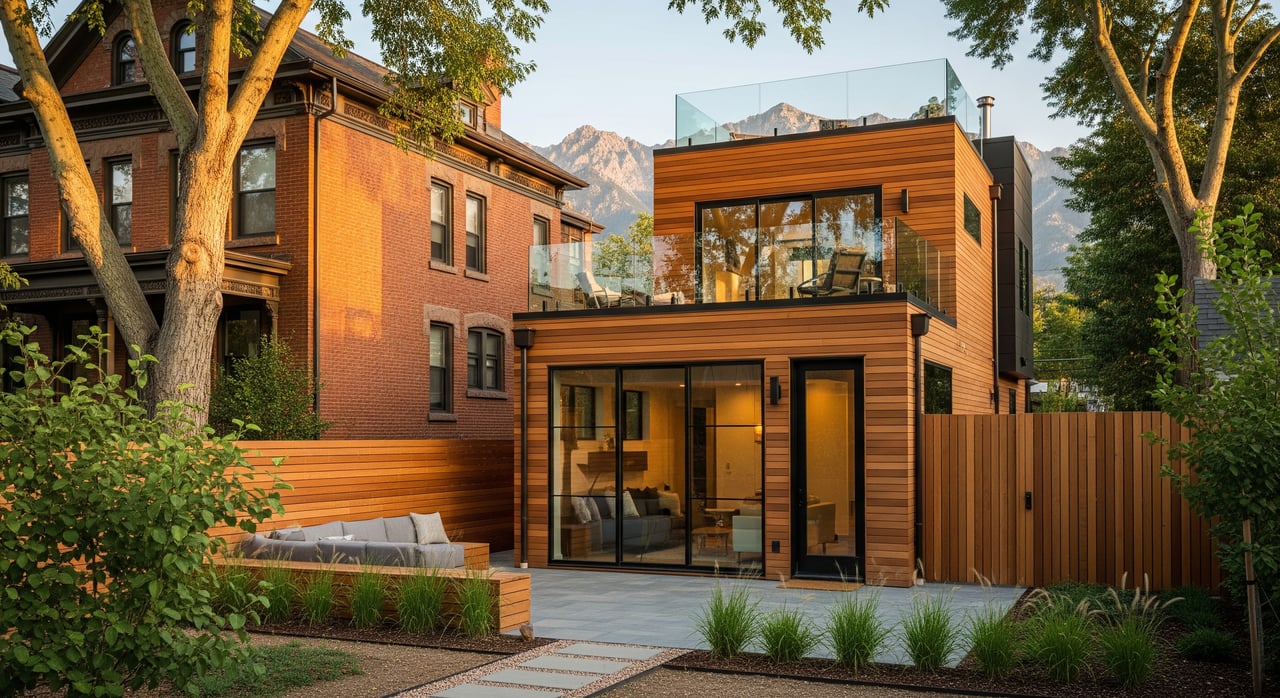
Thinking about adding an ADU to your Highlands property but not sure what fits a narrow, historic lot? You are not alone. With new state and city rules, building an ADU is more achievable, yet the smartest designs respond to Highlands’ alleys, 50‑foot lots, and landmark blocks. This guide shows you the best-fitting ADU types, the design moves that respect neighborhood character, and the rules, costs, and steps to get it done. Let’s dive in.
Why ADUs are easier in Denver now
Recent policy changes opened the door for more ADUs citywide. Colorado’s 2024 law requires cities that allow single‑unit homes to also allow ADUs with an administrative review and a baseline size right in the 500 to 750 square foot range. See the state summary for details on rights and limits in Colorado’s ADU law.
Denver followed through with two key updates. In 2023 the city adjusted ADU standards to be context sensitive and to allow more flexible two‑story forms in urban areas, which fits Highlands well. You can read the highlights in Denver’s 2023 ADU standards update. In December 2024, City Council expanded ADUs to all residential areas and aligned local rules with state law. See the citywide project page for current guidance and maps on Citywide ADUs in Denver.
How Highlands lots shape your ADU
Highlands, LoHi, and West Highland have many 50‑foot wide lots, shallow front setbacks, and consistent alley access. These “urban” patterns lend themselves to discreet rear‑yard ADUs, above‑garage units, and conversions that respect the street rhythm. The city’s council review materials explain how urban single‑unit districts anticipate ADUs on 50‑foot lots in rear yards. See the citywide ADU council review draft.
Several blocks sit within designated historic districts, including Potter‑Highlands. Projects in those areas need careful material choices, scaled forms, and may require preservation review. For neighborhood context and history, explore the Potter‑Highlands historic district overview.
ADU types that fit Highlands
Garage or internal conversion
If you have an existing garage, basement, or attic, converting it can be the lowest cost path. You keep the exterior mostly unchanged, which can be helpful on landmark blocks. The tradeoffs are limited size and less separation from the main home. See Denver’s permit basics for conversions on the ADU permits page.
Above‑garage apartment
On a narrow lot with an alley garage, adding a second floor can deliver a complete unit with a separate entry and minimal backyard loss. Local designers often use dormers and brick detailing to echo Highlands architecture, as shown in this Potter‑Highlands ADU example.
Detached backyard cottage
A compact cottage in the rear yard maximizes privacy and rental appeal. Denver’s urban standards allow two stories in many zones if your lot and setbacks allow it. The form must remain visually secondary to the main home, which suits Highlands’ streetscapes.
Basement or attached addition
Where rear yard depth is tight, an attached ADU or basement unit can add space while keeping a small footprint. This option can also help with accessibility if you plan an at‑grade entry.
Design features that work here
Scale and materials
Keep the ADU subordinate to the main house. Match or complement roof pitch, trim, and window proportions, especially in or near historic districts. Denver’s guidance emphasizes visual compatibility and secondary massing, detailed on the ADU permits page.
Smart second‑story forms
In urban neighborhoods, updated standards allow more two‑story ADUs and dormers. Use dormers to unlock livable space while staying within bulk planes. See the city’s 2023 update on ADU standards.
Access and aging in place
If you are housing relatives or planning long term, consider a one‑story plan or at‑grade entry. This improves accessibility without compromising design.
Utilities and services
Plan early for water, sewer, and electrical capacity. Denver often allows shared connections with the main house, but upgrades or tap fees may apply. The Sewer Use and Drainage Permit process can affect scope and timing. Start with the city’s ADU permits guidance.
Drainage and landscaping
Rear‑yard construction can change site drainage. Plan permeable paving, swales, or rain gardens as needed, and expect SUDP review where relevant. Small landscape moves can make a big difference in privacy and stormwater performance.
Permits, size, parking, and timing
Required reviews
Your basic permit set typically includes zoning, building, and SUDP reviews. Plan review involves Denver CPD, DOTI, and sometimes Parks or Urban Forestry. Denver requires licensed contractors for ADU work. The city outlines steps and contacts on the ADU permits page.
Size and height basics
State law requires that ADUs be allowed at least in the 500 to 750 square foot band. Final square footage, setbacks, and height depend on your specific zone district and any historic overlay. Start with the city’s overview on Citywide ADUs and confirm details with CPD.
Parking guidance
Recent policy changes reduce when cities can require new off‑street parking for ADUs. In many cases, ADUs do not have to add parking if the main house did not require it. Where you add parking, alley access is often preferred. Verify your parcel’s rules with CPD using the city’s ADU permits guidance.
Typical timelines
Design and permitting can take several months, especially if you need SUDP or historic review. Conversions often move faster than ground‑up cottages. Use pre‑application meetings with CPD to map a realistic timeline.
Costs and financing at a glance
Industry estimates in Denver show a wide range. Simpler garage or basement conversions often start around 60,000 to 180,000 dollars. Detached new builds and above‑garage projects commonly range from about 180,000 to 450,000 dollars or more, depending on size, finishes, utilities, and site work, as summarized by local builders like Denver Dream Builders. Rising materials and labor can push complete builds above 400,000 dollars.
Common financing options include HELOCs, cash‑out refinances, and construction loans. Some incentive or grant programs may emerge as the state implements HB24‑1152, and local builders often help clients find ADU‑savvy lenders. See a local overview of options in MIHI Construction’s ADU guide.
Start your Highlands ADU
- Confirm your property’s zone district and whether a historic overlay applies. Use Denver’s overview and map links on Citywide ADUs.
- Schedule a CPD pre‑application conversation and review the ADU permits process.
- Engage an ADU‑experienced architect or builder early, especially for alley setbacks, dormer forms, and utility planning.
- Build a detailed budget that includes a contingency for tap fees, drainage work, and preservation review where applicable.
- Choose a design that fits your lifestyle. Above‑garage for privacy and yard space, conversion for speed and value, or a cottage for stand‑alone living.
Ready to explore ADU potential with market strategy in mind, from financing conversations to resale and rental planning? Connect with Shelby Richardson to evaluate your Highlands property and assemble the right ADU team.
FAQs
Can an HOA block an ADU in Highlands?
- Colorado’s ADU law limits HOA rules that prohibit ADUs where single‑unit homes are allowed, but you should still review your HOA bylaws early and consult a professional if needed. See the state overview on Colorado’s ADU law.
Do I have to live on the property to build an ADU in Denver?
- Denver updated owner‑occupancy rules to align with state law. In many single‑unit districts, owner‑occupancy is required at the time of permit application. Confirm the current rule for your parcel using the city’s Citywide ADUs materials.
Will an ADU fit on my 50‑foot Highlands lot?
- Many 50 by 125 foot lots can fit rear detached ADUs, above‑garage units, or internal conversions, but the size and height depend on your zone district and any historic overlay. Start with the city’s council review draft and confirm with CPD.
Are ADUs allowed in Highlands historic districts?
- Yes, but you may need design review and careful material and massing choices to protect the district’s character. For context, see the Potter‑Highlands historic district overview and consult CPD early.
What are the first steps to start an ADU in Denver?
- Check zoning and any historic overlay, review the city’s ADU permits guidance, schedule a CPD pre‑application, and consult an ADU‑experienced architect or builder to scope utilities, drainage, and budget.