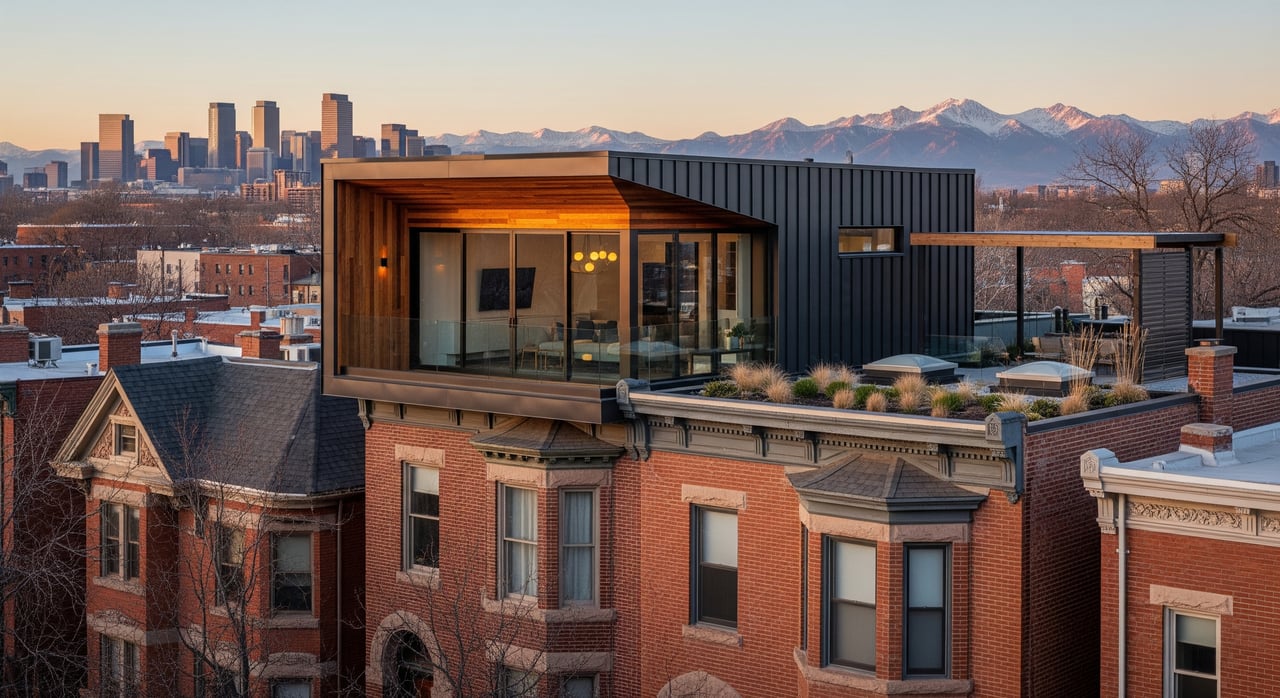
Thinking about adding a second story to your Highland home instead of moving? You are not alone. Many owners in this central Denver neighborhood want more space while keeping the location and charm they love. In this guide, you’ll learn how pop-top additions work in Highland, what the zoning and review steps look like, how to design for curb appeal, and what to expect for cost, timeline, and resale. Let’s dive in.
What a pop-top means in Highlands
A pop-top removes or raises the roof to create a true second story over part or all of your home. In Highland, this is common for older bungalows and Denver Squares where lots are compact and character is a priority. The goal is usually to add bedrooms, a primary suite, or flexible space while keeping the original street presence.
You’ll see a range of approaches, from full second stories to smaller, set-back additions. The right path depends on your zoning, any historic review, and how you want the home to live.
Zoning and review basics
Before you sketch a plan, confirm what is allowed on your lot. Feasibility in Denver is site-specific and guided by zoning, overlays, and permitting.
Find your zoning and overlays
- Look up your property’s zoning district on Denver’s official zoning map or property profile.
- Check for overlays that add rules, such as historic or conservation districts.
- If your home is a designated landmark or inside a local historic district, exterior changes usually require Landmark Preservation review.
Height, setbacks, and form standards
- Height limits vary by zone and drive whether a full or partial second story is possible.
- Front, side, and rear setbacks shape your footprint and second-story placement. Many designs step the new floor back from the front to reduce visual bulk.
- Building form standards guide roof forms, façade rhythm, and materials so additions fit the neighborhood context.
- Some lots have total floor area or lot coverage limits that affect how much you can add.
- If you plan an ADU or add bedrooms, parking and use rules may apply.
Historic review expectations
- In a historic district or for a landmarked property, expect a design review focused on visibility from the street, compatible scale and materials, and preservation of key features like porches and primary rooflines.
- Even outside a district, Denver’s form standards encourage context-sensitive massing that respects neighborhood rhythm and scale.
Permits and timeline
- Typical approvals include zoning checks, building permits, and plan reviews for structural, mechanical, plumbing, and electrical scopes. Landmark approvals apply where required.
- Approximate durations: design 4 to 12 weeks, permit review 4 to 12 or more weeks, and construction 4 to 8 or more months depending on complexity.
- Your project must meet current Denver building and energy code standards for all new habitable areas.
Design that fits the Highlands
The best pop-tops look like they belong on the block. Good design protects curb appeal and creates lasting value.
Design goals to prioritize
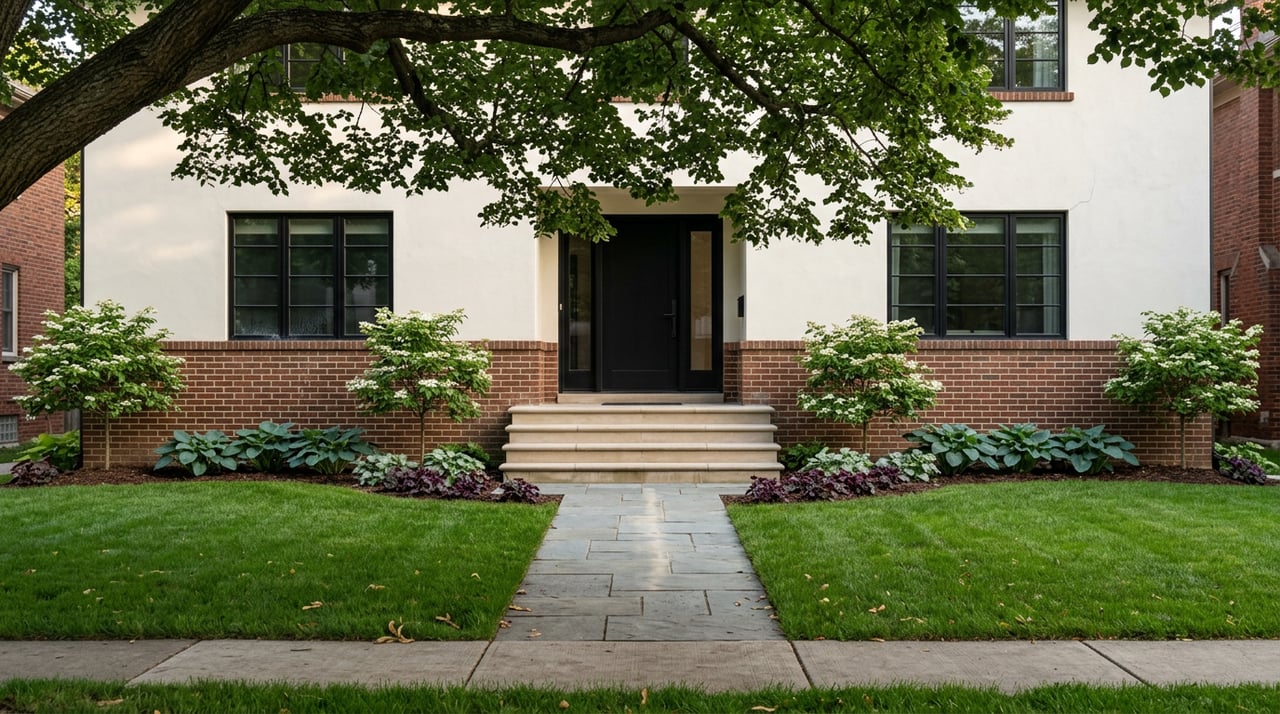
- Minimize visible bulk from the street by preserving the front façade and porch expression.
- Reinforce the streetscape rhythm by aligning window placement and roofline proportions.
- Make the new volume clearly new, yet compatible in scale and materials, so the original home remains legible.
- Add spaces buyers want: a primary suite, an extra full bath, flexible rooms, and good natural light.
Pop-top approaches
- Full-volume second story
- Pros: Maximum new square footage and straightforward layouts.
- Cons: More visible mass and higher review scrutiny if not set back.
- Set-back second story
- Pros: Preserves the front façade and reduces perceived height; often favored in preservation contexts.
- Cons: Slightly less upper-level area and more careful roof integration.
- Partial or rear-focused pop-top
- Pros: Concentrates mass toward the back to reduce street impact.
- Cons: Less new space serving front rooms.
- Dormers vs. a full pop-top
- Dormers can convert attic space at a lower cost with less visual impact but provide limited full-height area.
- A true pop-top creates full second-story ceiling heights and more functional room layouts.
Massing and proportions
- Step the second story back from the primary façade to keep the original one-story feel at the sidewalk.
- Keep upper rooflines subordinate with lower eaves or simple, compatible roof forms.
- Break up large planes with bays, belt courses, or window groupings to avoid a boxy look.
- Preserve porch and primary cornice lines to maintain human scale.
- Align new windows with the established rhythm of the existing façade where visible.
Materials and detailing
- Choose durable, high-quality cladding that complements the original house.
- Avoid heavy, faux historic ornament. Aim for compatible proportions and textures.
- Consider a subtle material change for the new level to signal a respectful, contemporary layer.
Interior choices that sell
- Add a primary suite with an en-suite bath and sufficient closet space.
- Match bathroom count to bedroom count by adding at least one full bath if the home is under-served.
- Plan a logical stair location that preserves first-floor flow and avoids cramped landings.
- Anticipate mechanical upgrades and vertical chases early to manage cost and layout.
Neighbor impact and privacy
- Set upper floors back and shape window placement to reduce overlooking into side yards.
- Use clerestory or smaller side windows where lots are tight.
- Plan the construction staging and share schedules with neighbors to maintain goodwill.
Costs, ROI, and value
A pop-top can transform how your home lives. It also brings structural work, systems upgrades, and soft costs that add up.
What drives cost
- Structural reinforcement of walls, framing, and sometimes foundations to carry new loads.
- New stair, floor framing, windows, roofing, and weatherproofing.
- HVAC, electrical, and plumbing upgrades to meet current code and serve added area.
- Exterior materials that meet durability and compatibility goals.
- If historic review applies, expect more design detail and potential material considerations.
- Professional fees and permits, plus potential temporary housing during construction.
Timeline and disruption
- From initial design through completion, expect a multi-month process. Many projects run 6 to 12 months depending on scope.
- Plan for interior demolition, rooftop work, noise, dust, and potential utility interruptions. Discuss phased occupancy with your builder.
ROI reality in The Highalnds
- Buyers in Highland value location, bedroom and bathroom count, updated kitchens and baths, functional plans, and usable outdoor space.
- Features that often increase marketability include a well-appointed primary suite, an added full bath, good natural light, and quality finishes consistent with neighborhood expectations.
- Large additions rarely recoup 100 percent of cost, but in tight, desirable areas where adding livable square footage is difficult, a well-designed pop-top can make your home more competitive and reduce the need to move.
- Smaller targeted updates can sometimes show higher percentage returns, but if your home lacks a key function, like an additional bedroom or bath, a pop-top that solves that deficit can offer outsized appeal.
Decision checklist and next steps
If you are weighing a pop-top against moving, use this simple process to clarify the path.
Quick feasibility checklist
- Confirm your lot’s zoning district and whether any historic or conservation overlay applies.
- Note height limits, setbacks, and any floor area or form standards.
- Evaluate whether you need a full second story or a set-back or rear-focused approach.
- Decide whether an ADU is part of your plan, since rules and parking can differ.
- Pull recent sold comparables in Highland with similar features to estimate the value of added square footage.
Questions for your architect and contractor
- Based on my zoning, which pop-top approach is most likely to comply?
- What structural reinforcement will be required and how will it impact cost and timeline?
- Can we preserve the original porch and cornice lines? How will the new roof tie in?
- What is a realistic budget range and schedule for design, permits, and construction?
- Will my property trigger Landmark Preservation review? What submittals are needed?
- How might parking, a potential ADU, or property taxes be affected?
Who to hire
- An architect or residential designer experienced with Denver zoning and historic review.
- A structural engineer early in the process to assess foundations and framing.
- A general contractor with pop-top experience in Denver.
- A zoning or planning consultant for complex code questions.
- A real estate agent to benchmark buyer preferences and resale outcomes for Highland.
- A preservation consultant if your property lies within a historic overlay.
Should you pop-top or move?
The best choice depends on your lot, your budget, and the spaces you need to add. If your home’s bones are strong and your zoning allows a well-proportioned second story, a pop-top can deliver the bedroom and bath count buyers want without leaving the neighborhood. If design or review constraints make the new mass too visible or too costly, moving to a larger home nearby may be the better financial and lifestyle fit.
If you want a data-backed path, request a side-by-side scenario comparing pop-top resale potential to a sale-and-purchase plan. A clear budget, realistic timeline, and thoughtful design will point you in the right direction.
Ready to evaluate your options with a market perspective and a design-savvy plan? Get a free home valuation or schedule a strategy call with [Unknown Company].
FAQs
What is a pop-top addition in Denver?
- A pop-top removes or raises the roof to add a true second story over part or all of an existing home, common for bungalows and Denver Squares in The Highlands.
How long do Denver permits and reviews take?
- Design often takes 4 to 12 weeks, permit review 4 to 12 or more weeks, and construction 4 to 8 or more months depending on scope and review needs.
Do Highlands homes need historic approval for pop-tops?
- If your property is a designated landmark or inside a local historic district, exterior changes typically require Landmark Preservation design review.
Will a pop-top require mechanical or electrical upgrades?
- Yes, most projects require HVAC, electrical, and plumbing updates to meet current code and to serve the added square footage.
Can I add an ADU along with a second story?
- It depends on your zoning district and parking rules; confirm allowed uses and any ADU-specific standards before you plan the scope.