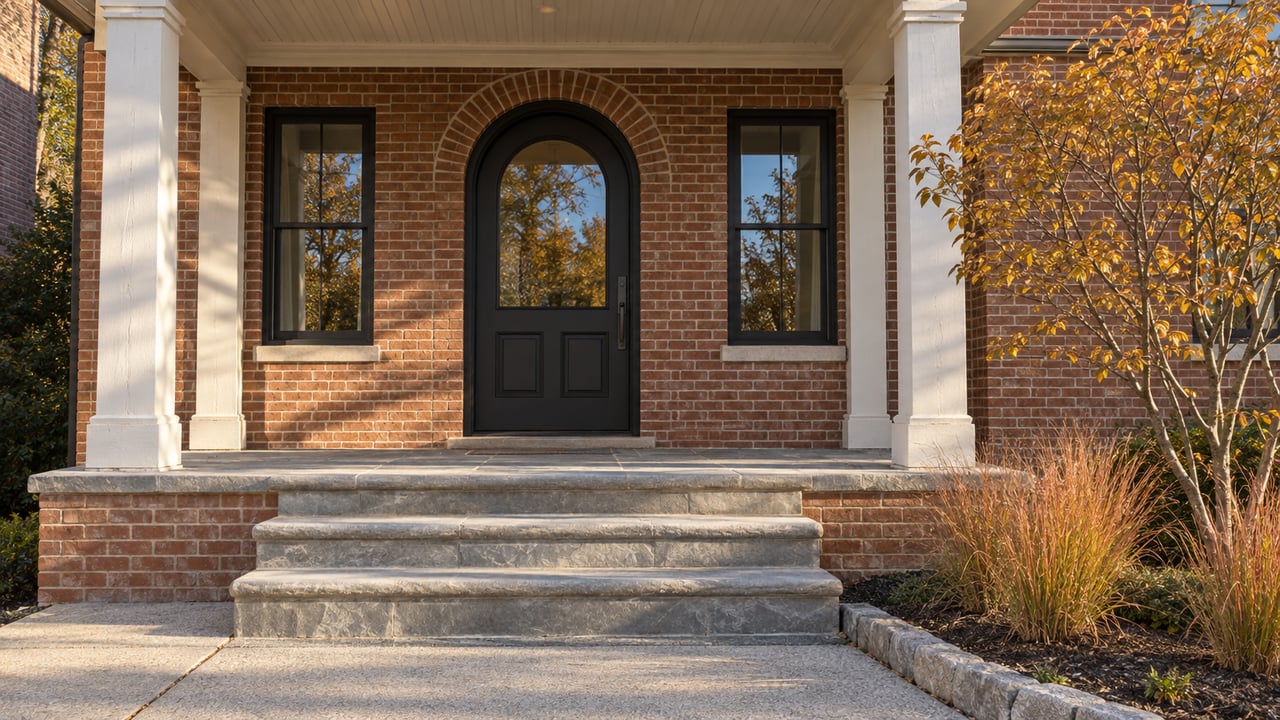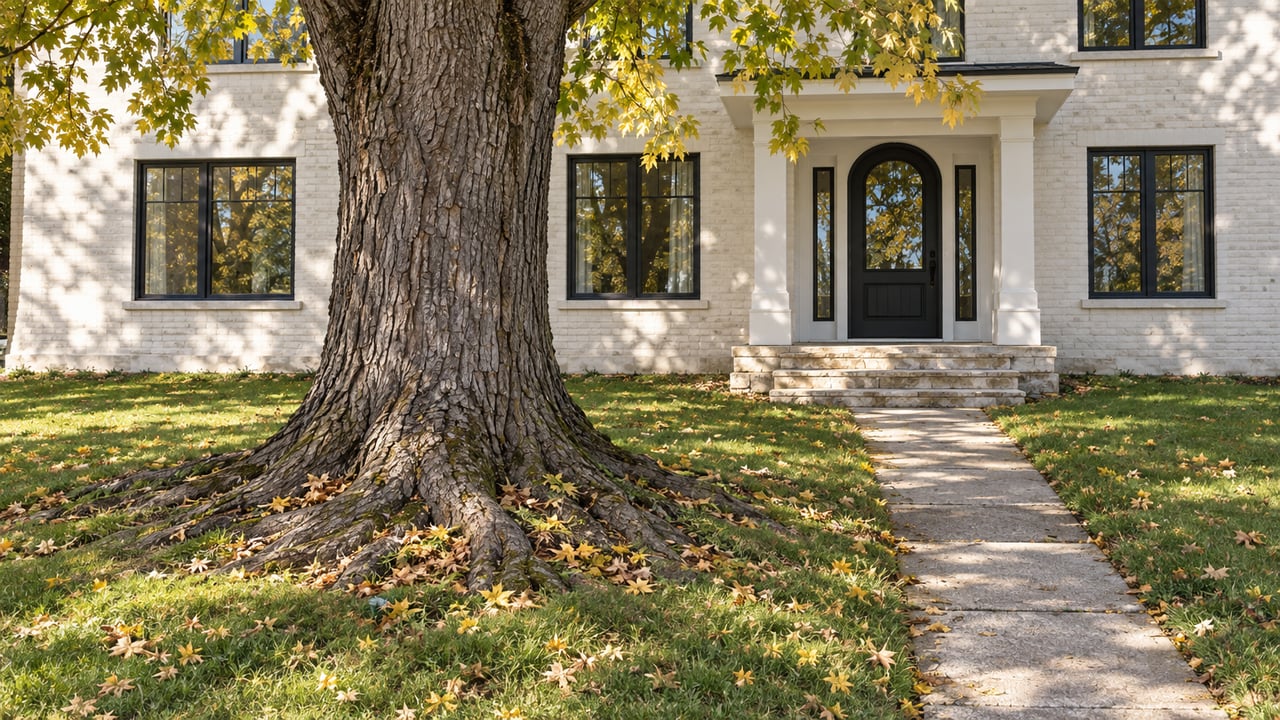
Trying to choose between Berkeley and Highlands? In northwest Denver, that decision can shape how your week feels just as much as where your home sits. If you want the right mix of architecture, walkability, parks, and everyday rhythm, this side-by-side guide will help you see which neighborhood aligns best with your lifestyle. Let’s dive in.
Berkeley vs. Highlands at a glance
Berkeley and Highlands are both close-in northwest Denver neighborhoods with strong local identity and established housing stock. But they do not live the same way day to day.
In general, Berkeley is centered around the Tennyson Street corridor and nearby parks. Highlands is broader, with several interconnected neighborhood centers, especially around 32nd and Lowell in Highland Square.
That difference matters when you picture your routine. Berkeley often feels more like a neighborhood main street with park access woven in, while Highlands tends to feel more village-like, active, and spread across multiple hubs.
Berkeley lifestyle
Tennyson shapes daily life
Berkeley’s lifestyle is closely tied to Tennyson Street, especially from 38th to 46th avenues. The corridor includes small businesses, restaurants, art spaces, galleries, shops, and recurring events like First Friday Cultural Walks and Fall Fest.
That gives Berkeley a clear center of gravity. If you like the idea of walking to a local commercial strip that feels active but still neighborhood-scaled, Berkeley often delivers that experience.
Parks are part of the routine
One of Berkeley’s biggest strengths is how park space connects to daily living. The area includes or sits near Berkeley Dog Park, Berkeley Lake Park, César Chávez Park, and Rocky Mountain Lake Park.
Rocky Mountain Lake Park is described by the city as a nearly 23-acre lake with a multi-use trail and established tree canopy. For buyers who want regular access to green space, dog-friendly areas, or light outdoor recreation close to home, Berkeley stands out.
Berkeley often feels compact and layered
Berkeley developed with streetcar-era patterns, and that history still shows up in the neighborhood layout. Denver landmark materials describe Tennyson as a streetcar-influenced corridor with commercial, civic, entertainment, educational, and residential uses.
That helps explain why Berkeley can feel compact, walkable, and a little different from block to block. You may find a quieter residential street just a short walk from a busier corridor, then park space not far beyond that.
Highlands lifestyle
Highland Square drives the village feel
On the Highlands side, Highland Square is a major lifestyle anchor. The 32nd Avenue business district is described as the village at the heart of Highland, with locally owned shops, restaurants, and boutiques that trace back to the streetcar era.
The area also has a fuller event calendar, including the Highland Street Fair, Farmers Market, Oktoberfest, Harvest Festival, and Holiday in the Highlands. If you want a neighborhood with a strong weekend rhythm and a lively commercial core, Highlands often checks that box.
The commercial core is busier
Highlands shows stronger signs of destination-level retail activity. Denver’s parking management for the area includes 2-hour paid parking in the commercial core, 3-hour limits outside that core, permit parking, accessible parking additions, and bike or scooter corrals.
That kind of curb management usually reflects heavier demand from diners, shoppers, and visitors. In practical terms, Highlands may feel more energetic and eventful, especially near its retail centers.
Recreation leans regional
Highlands has neighborhood amenities, but its recreation profile leans more heavily on Sloan’s Lake as a regional draw. Denver identifies Sloan’s Lake as a major urban asset in northwest Denver, and the area also includes Highland Recreation Center nearby.
If you like the idea of being close to a larger destination park and an active neighborhood center, Highlands may fit your routine well. The feeling is less park-woven residential fabric and more neighborhood-plus-regional amenity.
Home styles in Berkeley
Historic roots with more modest forms
Berkeley’s housing stock grew from late-19th- and early-20th-century streetcar development. Denver landmark documentation notes that single-family homes and small boarding houses were the predominant residential forms along the Tennyson corridor.
For today’s buyers, that often translates to modest historic homes, bungalow-era properties, and a mix of original housing with newer replacement or infill buildings. Berkeley does not always present as uniform, which can be appealing if you value variety within a smaller-scale neighborhood fabric.
Infill affects block-by-block character
Denver documents also note that many of Berkeley’s smaller houses have been replaced over time by larger multi-unit buildings, especially along parts of Tennyson between 41st and 46th avenues. That means the streetscape can shift depending on the block.
If you are considering Berkeley, it helps to look closely at the immediate surroundings of any home you tour. Two properties only a few blocks apart may offer a very different feel in terms of scale, privacy, and architectural continuity.
Home styles in Highlands
More architectural variety
Highlands generally offers a wider range of home types and architectural styles. Denver’s historic district guidance for Potter Highlands and Witter-Cofield describes Queen Anne homes, Craftsman bungalows, Denver Squares, Dutch Colonial styles, row homes, duplexes, and cottages built largely from the late 1800s through the early 1940s.
That broader mix can be a big draw if you want more options in scale, style, or street presence. Some blocks feel formal and historic, while others offer a more eclectic mix of housing types.
Larger historic presence
Compared with Berkeley, Highlands often has a stronger sense of established historic streetscape in certain districts. Denver describes one- to two-story buildings, brick-dominant construction, shallow setbacks, terraced front lawns, mature trees, and alley access in parts of the area.
If you are drawn to older homes with stronger period character and a more defined architectural identity, Highlands may have the edge. The tradeoff is that some properties may come with more renovation considerations.
Renovation flexibility matters
Historic district review in Highlands
If you are planning major exterior work, this is an important point to check in Highlands. Denver’s landmark guidance states that properties within designated historic districts are subject to design review for exterior alterations, additions, new construction, and site work.
That does not mean a home is not a good fit. It simply means you should confirm whether a property is inside a historic district before making assumptions about renovation flexibility, timelines, or design options.
Berkeley may feel more flexible
The research suggests Berkeley often includes a mix of historic homes, smaller original structures, and infill contexts rather than one dominant historic district experience across the whole area. For some buyers, that may feel more straightforward when evaluating future updates.
Still, every property is different. If renovation potential matters to you, the best approach is to evaluate the parcel, surrounding context, and improvement goals early in your search.
Which lifestyle fits you best?
Berkeley may fit you if you want:
- a more compact neighborhood feel centered on Tennyson Street
- close access to parks and dog-friendly outdoor space
- smaller historic homes, cottages, or bungalows
- a quieter residential base with a clearly defined main street
Highlands may fit you if you want:
- a broader range of home types and architectural styles
- a stronger restaurant and retail rhythm around Highland Square
- more frequent events and weekend activity
- a home base near Sloan’s Lake and a destination-driven commercial core
Both neighborhoods work well for buyers who want
- close-in northwest Denver living
- strong local identity
- established residential fabric
- walkable access to shops, dining, and neighborhood amenities
How to make the right call
The best choice comes down to how you want your days to feel. If you picture a compact routine with Tennyson as your main street and parks close at hand, Berkeley may be the stronger fit.
If you want more architectural range, a more active village atmosphere, and a busier commercial center, Highlands may better match your lifestyle. Neither is universally better. It depends on whether you value a corridor-and-parks rhythm or a broader, more eventful neighborhood network.
When you are comparing homes in either area, it also helps to look beyond the neighborhood label. In northwest Denver, the exact block, retail corridor, park access, and district status can shape your experience as much as the name on the listing.
If you want help comparing Berkeley and Highlands at the property level, Shelby Richardson can help you narrow the options, assess neighborhood fit, and move forward with a clear strategy.
FAQs
Is Berkeley or Highlands more walkable in northwest Denver?
- Both offer walkable living, but Berkeley is more centered on the Tennyson Street corridor, while Highlands has a broader village-style pattern anchored by Highland Square and nearby commercial areas.
Does Berkeley or Highlands have more parks nearby?
- Berkeley has a more embedded local park network, including Berkeley Dog Park, Berkeley Lake Park, César Chávez Park, and Rocky Mountain Lake Park, while Highlands leans more on Sloan’s Lake as a major regional amenity.
Does Highlands have more architectural variety than Berkeley?
- Yes. Based on Denver historic district descriptions, Highlands includes a wider mix of housing types and styles, including Queen Anne homes, bungalows, Denver Squares, row homes, duplexes, and cottages.
Is Berkeley better for buyers who want a quieter feel?
- Berkeley often appeals to buyers who want a quieter residential base with a defined main street and nearby parks, especially compared with the busier village rhythm around Highland Square.
Should Highlands buyers check historic district status before renovating?
- Yes. Denver states that properties within designated historic districts are subject to design review for exterior alterations, additions, new construction, and site work, so confirming parcel status is important before planning major changes.