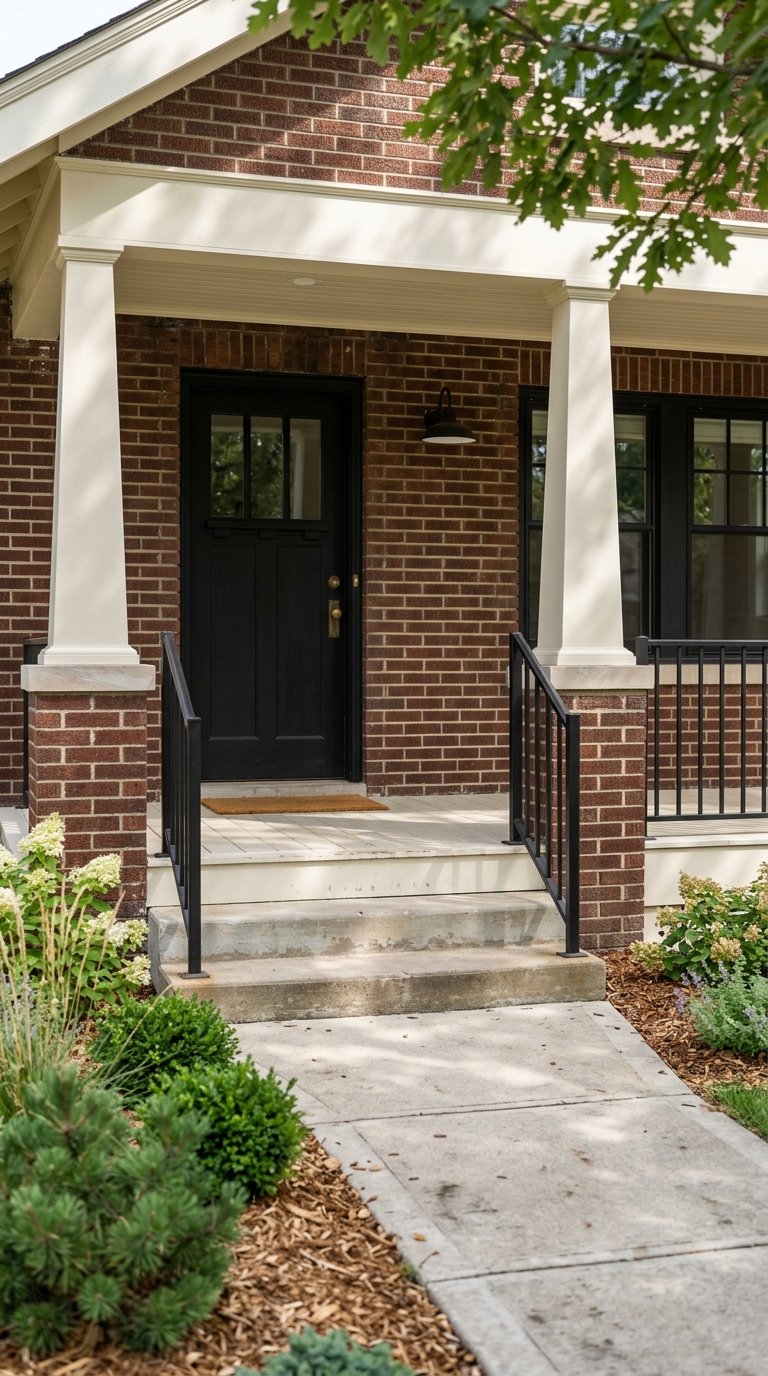
If you are selling a bungalow in Congress Park or the 7th Ave Historic District, charm alone is not the whole strategy. Buyers may love original millwork, a deep front porch, and vintage character, but they still compare condition, layout, light, and finish level with a sharp eye. The good news is that with the right preparation, pricing, and presentation, you can make your home stand out for the right reasons. Let’s dive in.
Why bungalow strategy matters here
Congress Park has a broad mix of housing, from Queen Anne and Victorian homes to Denver Squares, 1920s bungalows, duplexes, and apartment buildings. That variety is part of what gives the neighborhood its appeal, but it also means your home should not be priced or marketed against a vague neighborhood average.
If your property is in or near the East 7th Avenue Historic District, context matters even more. The district is a locally designated historic district, and East 7th Avenue Parkway is also a designated parkway with protected visual character. For sellers, that means presentation should highlight architectural integrity while respecting the rules that can affect exterior changes.
What the market says now
The broader Denver metro market has been active, with DMAR reporting 9,846 active listings in March 2026, a median close price of $590,000, 16 days in the MLS, and 1.86 months of inventory. The same report noted that well-priced homes in desirable locations were still attracting multiple offers.
In Congress Park specifically, Realtor.com reported 60 homes for sale in April 2026, a median sold price of $800,000, a 99% sale-to-list ratio, and a median of 33 days on market. Realtor.com classified the neighborhood as a seller’s market. That is encouraging, but it does not mean every bungalow will perform the same way.
The takeaway is simple: buyers are still paying for quality and fit. A well-prepared bungalow can perform very well, but pricing needs to reflect your exact square footage, finish level, and condition instead of relying on neighborhood prestige alone.
Price your exact home
In a neighborhood with many property types, broad averages can be misleading. A bungalow should be compared first to other single-family bungalows, then adjusted for condition, historic authenticity, and the quality of any past updates.
That matters because two homes on nearby blocks can land in very different pricing tiers. One may have thoughtful updates, clean flow, and preserved original details. Another may need cosmetic work, have dated finishes, or lack the same level of presentation.
Focus on condition tier
When buyers walk into a bungalow, they are usually judging more than bedrooms and bathrooms. They are also measuring how the home feels, how current it looks, and whether original character has been preserved or compromised.
A strong pricing strategy should account for:
- Overall finish level
- Functional layout and room flow
- Quality of previous renovations
- Condition of visible exterior elements
- Historic character and authenticity
- How your home compares with recent bungalow sales, not just all Congress Park homes
This is where precision matters. In a seller’s market, overpricing can still slow momentum, while a sharp launch can create urgency.
Presentation should feel polished, not forced
Today’s buyers often expect listings to look clean, bright, and professionally presented. According to NAR’s 2025 staging survey, 83% of buyers’ agents said staging makes it easier for buyers to visualize a property. The same body of research also found that many agents believe buyers now expect homes to look professionally staged, and that disappointment rises when listings fall short of that standard.
For a Congress Park bungalow, the goal is not to erase character. It is to make that character feel intentional, livable, and current.
Keep the bungalow’s personality
The best presentation plan usually emphasizes the features buyers already want to see:
- Original trim or built-ins
- Warm, natural light
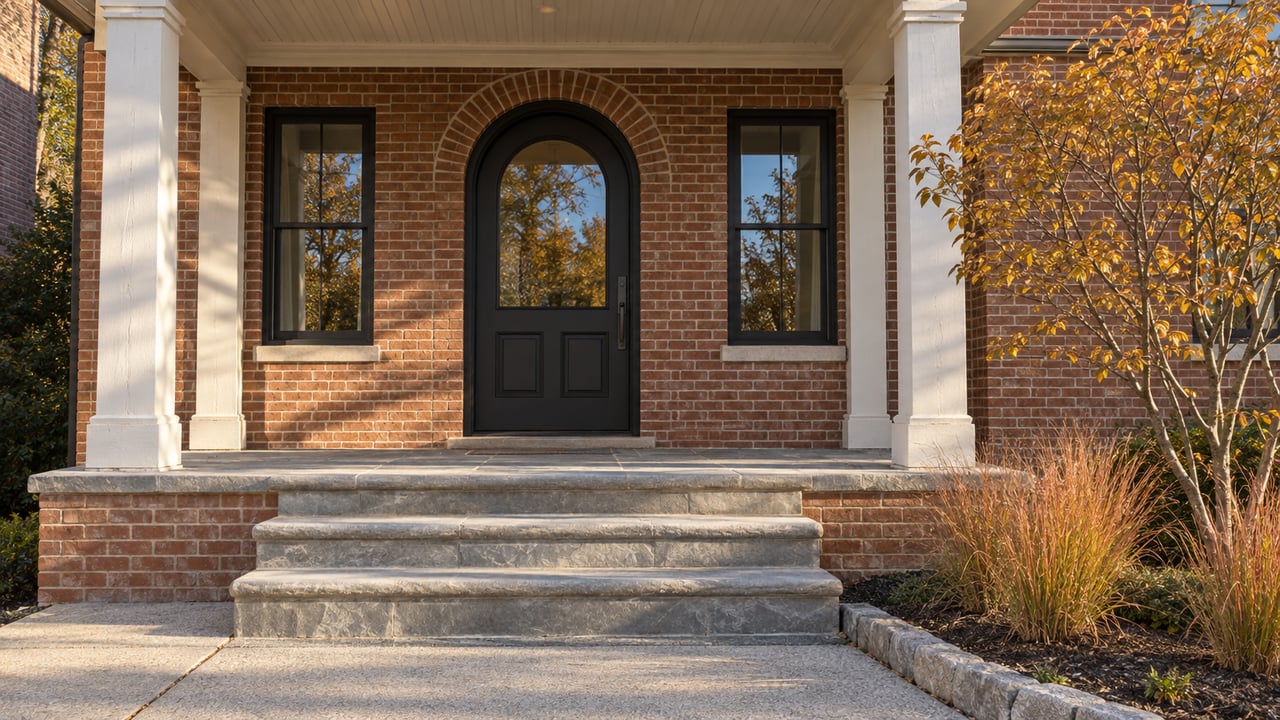
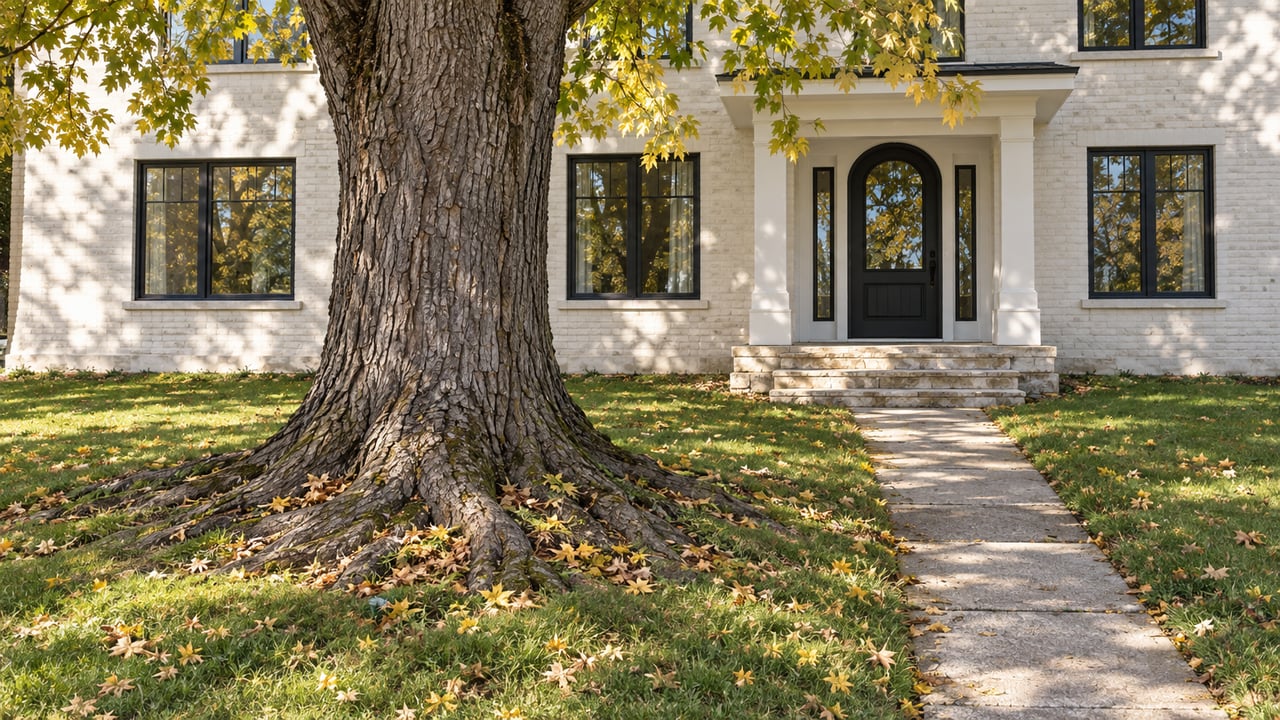
- A welcoming front porch or entry
- Comfortable room flow
- Clean sight lines from one space to the next
That often means editing the home rather than overworking it. Decluttering, simplified styling, and thoughtful furniture placement can make rooms feel larger and more functional without stripping away what makes the home special.
Prioritize the rooms buyers notice first
NAR defines staging as decluttering and styling, not remodeling. Its consumer guidance notes that the most commonly staged spaces are the living room, primary bedroom, dining room, kitchen, and outdoor areas.
For a Denver bungalow, those spaces often do the heaviest lifting in first impressions. If you are deciding where to focus time and budget, start with:
- Living room for scale, flow, and natural light
- Kitchen for cleanliness, warmth, and usability
- Primary bedroom for calm, simple styling
- Dining area for function and proportion
- Front porch or entry for curb appeal and welcome
A clean, cohesive visual story helps buyers understand the home quickly. That matters online first, then in person.
Photos and marketing need to do real work
In this kind of market, your listing photos are not just documentation. They are part of the sales strategy. Research cited by NAR points to photos, traditional staging, video tours, and virtual tours as some of the most important listing elements.
For a bungalow, photography should emphasize brightness, scale, and character. Strong daylight, tidy compositions, and a clear view of how rooms connect can make a meaningful difference in buyer response.
What buyers should see immediately
Before someone steps through the door, your marketing should help them understand three things:
- The home has authentic character
- The property feels cared for and move-in ready
- The layout and finishes justify the asking price
That does not require making the house look generic. It requires making the home look intentional.
Pre-list updates: know the district rules
If your property is in the East 7th Avenue Historic District, or tied to the protected streetscape of East 7th Avenue Parkway, exterior work may require review before permits are issued. Denver Landmark Preservation reviews exterior work on locally designated landmarks and historic-district properties when that work requires building, zoning, encroachment, or curb-cut permits. A Certificate of Appropriateness must be submitted with the permit application.
Denver also requires review for roof permits and certain other exterior quick permits on historic-district homes. Roofing and siding work on individual landmarks or buildings within a historic district must first be approved by Landmark Preservation. Some minor work may move through in a few business days, while larger or more visible projects can take longer.
Be careful with visible exterior changes
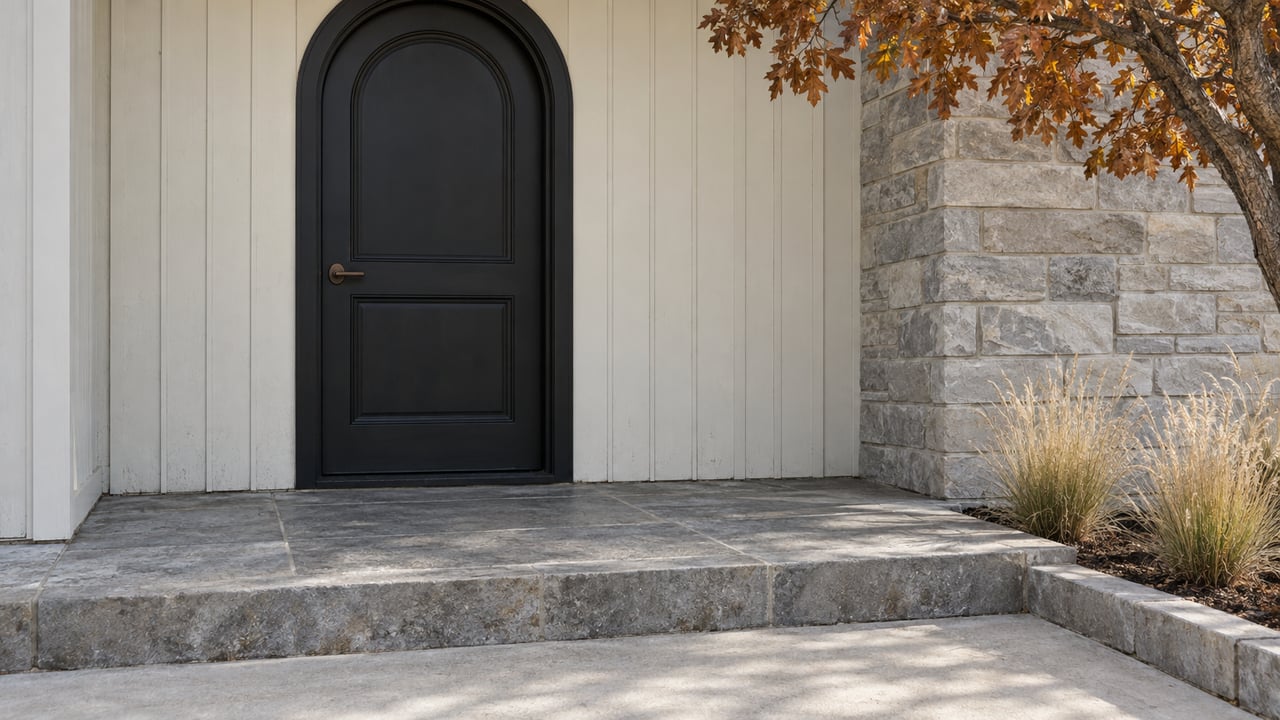
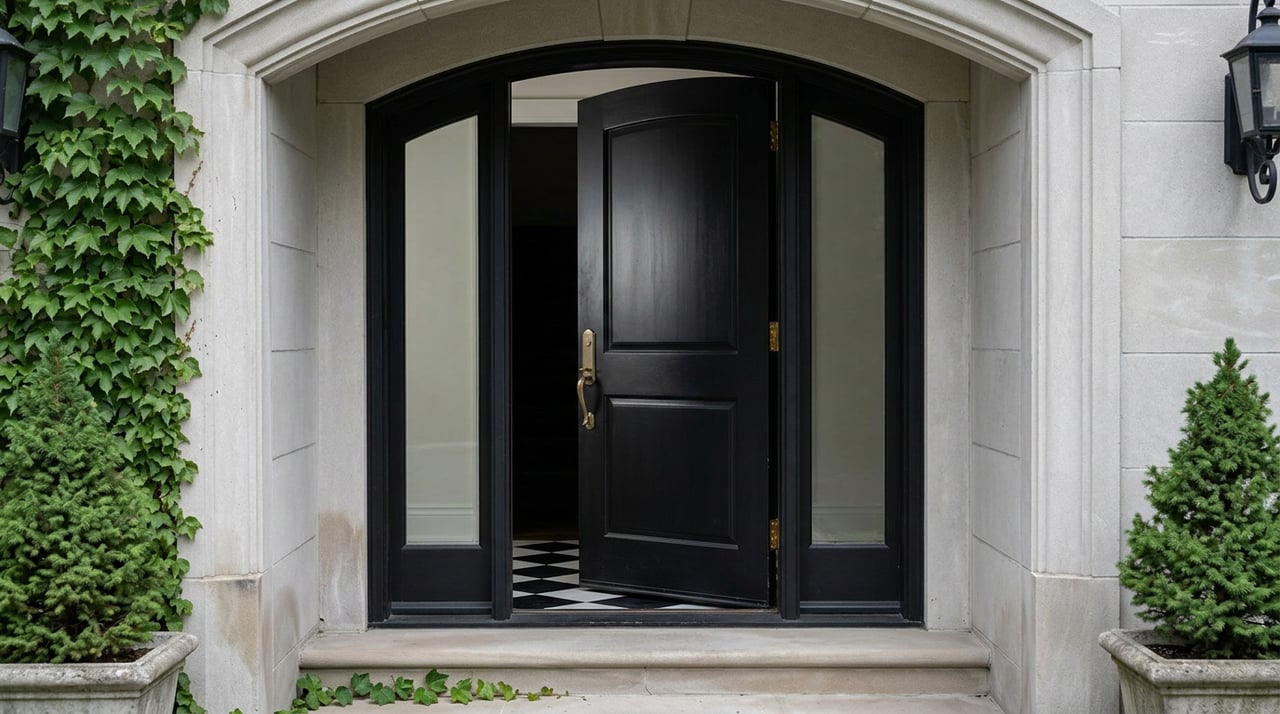
Historic-district rules can affect common replacement choices. The city reviews additions, window and door replacements, fences, retaining walls, hardscaping, and site work for compatibility with the district. Some materials, including vinyl siding and vinyl windows or doors, may be limited.
If your home fronts East 7th Avenue Parkway or is tied closely to the parkway setting, curb-side changes can also involve Parks & Recreation review because the parkway and setbacks are part of the protected character.
That means timing matters. If you are considering visible exterior improvements, it is smart to start early.
The lower-risk pre-list plan
If your goal is to sell within the next 6 to 18 months, a permit-heavy exterior project may not always be the best first move. Based on the local review process, a lighter pre-list approach is often the lower-risk path when timing is tight.
For many sellers, the most effective plan includes:
- Deep cleaning
- Minor repairs
- Fresh paint where appropriate
- Landscape cleanup
- Porch and entry refresh
- Staging or styling support
- Professional photography
This approach can improve first impressions without creating permit delays or unnecessary budget creep. It also keeps your focus on the changes buyers notice fastest.
A smart bungalow sale is part design, part timing
Selling a bungalow in Congress Park is not about turning it into something it is not. It is about presenting the home so buyers can see both its history and its livability. In a neighborhood where location helps but does not do all the work, strategy is what turns interest into strong offers.
That strategy should connect pricing, preparation, and marketing from the start. When your home is positioned correctly, buyers are more likely to understand its value quickly and respond with confidence.
If you are thinking about selling and want a plan built around your home’s architecture, condition, and block-by-block market position, Shelby Richardson can help you create a design-forward, data-backed listing strategy.
FAQs
What affects the sale price of a Congress Park bungalow?
- The main factors include square footage, finish level, condition, layout, historic character, and how your home compares with similar bungalow sales rather than broad neighborhood averages.
Do homes in the 7th Ave Historic District need approval for exterior work?
- Yes. Denver Landmark Preservation reviews certain exterior work on locally designated historic-district properties, and a Certificate of Appropriateness may be required before permits are issued.
Should you renovate a historic Denver bungalow before selling?
- Not always. If timing is limited, cleaning, repairs, paint, landscaping, staging, and photography are often a lower-risk pre-list strategy than larger exterior projects that may require review.
Does staging matter when selling a bungalow in Congress Park?
- Yes. NAR reported that 83% of buyers’ agents said staging makes it easier for buyers to visualize a home, which can be especially helpful in older homes with distinct layouts or vintage features.
What rooms should you stage first in a Denver bungalow?
- The living room, primary bedroom, dining room, kitchen, and outdoor spaces are often the highest-priority areas for staging and presentation.
Is Congress Park a seller’s market right now?
- Realtor.com classified Congress Park as a seller’s market in April 2026, with a 99% sale-to-list ratio and a median of 33 days on market.