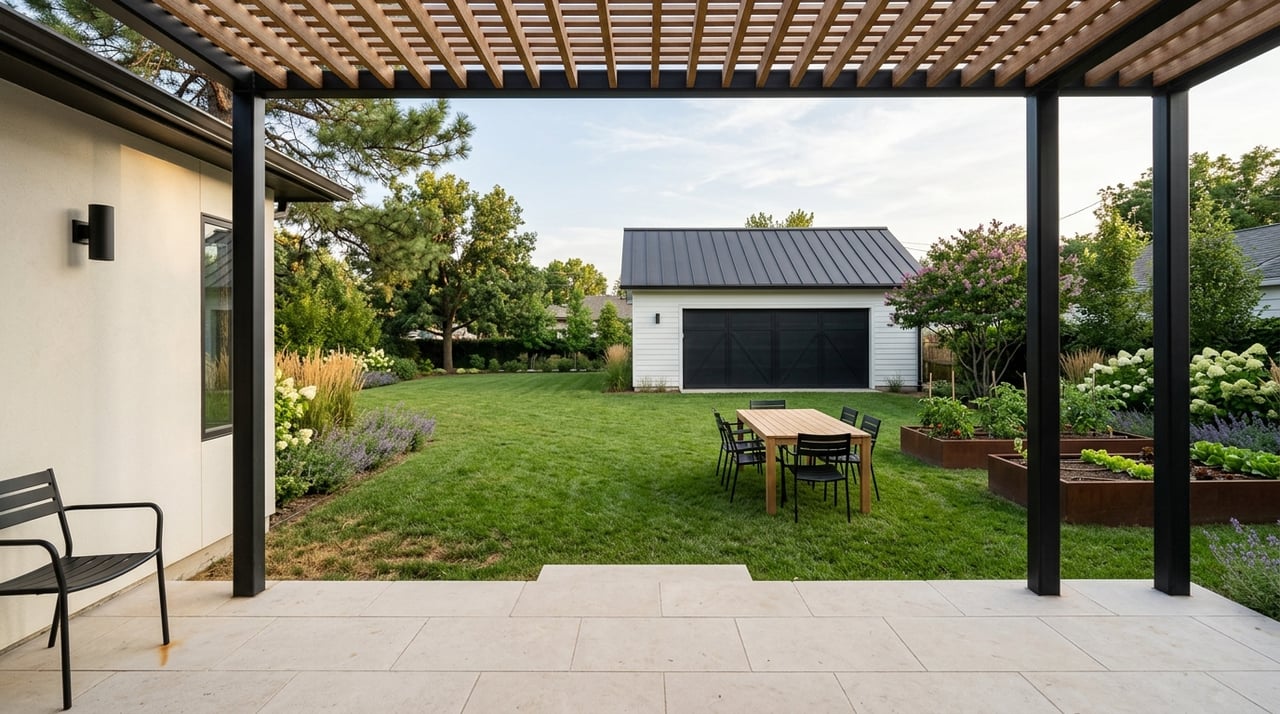
Looking for more room to spread out without giving up access to Denver? Wheat Ridge stands out for buyers who want a home that lives well both inside and out. If you are drawn to bigger yards, mature trees, space for gardening or entertaining, and easy access to trails, this west-metro community deserves a closer look. Let’s dive in.
Why Wheat Ridge Stands Out
Wheat Ridge offers a lifestyle that feels more yard-centered than many close-in Denver neighborhoods. According to the City of Wheat Ridge, the city is less dense than Denver overall, which helps explain why many areas feel more residential and spacious.
That lower-density feel pairs well with location. The city notes that Wheat Ridge has direct I-70 access, making skiing, hiking, and other mountain recreation reachable in less than an hour. For many buyers, that means you can enjoy everyday outdoor space at home while still staying connected to Colorado’s bigger recreation network.
Larger Lots Shape Daily Living
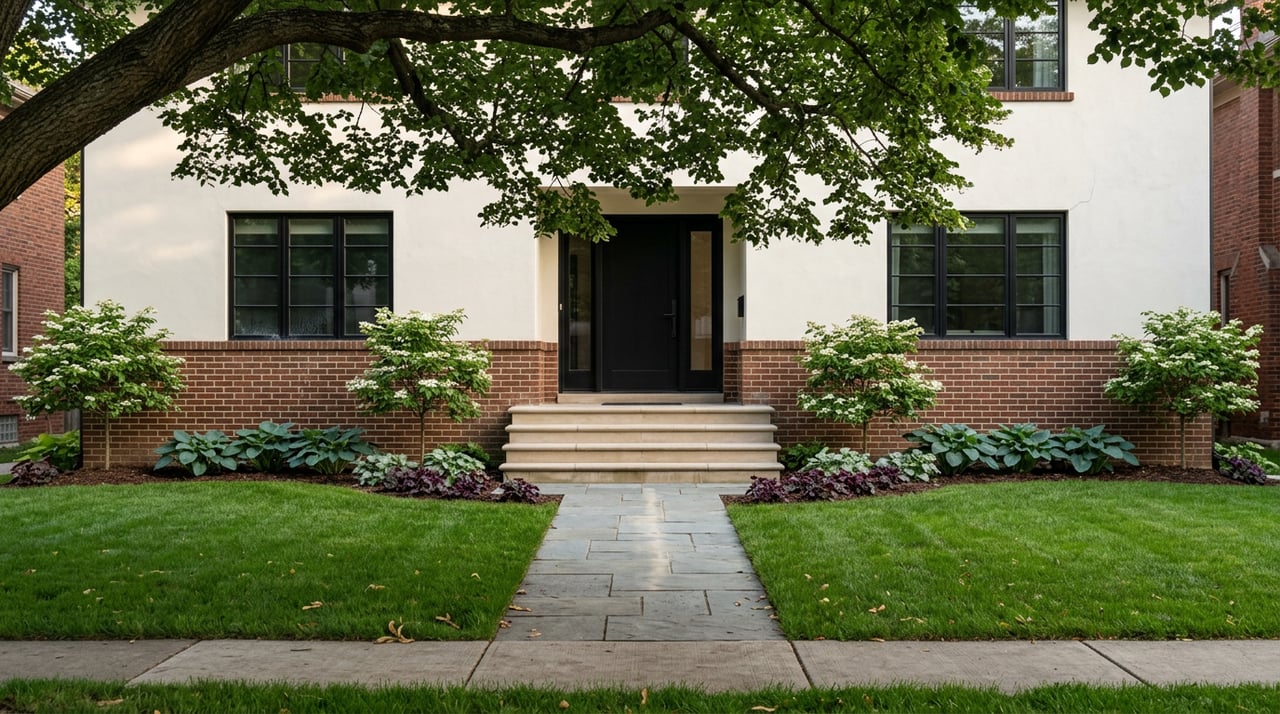
One of Wheat Ridge’s biggest draws is that outdoor living here often feels usable, not just decorative. The city’s housing stock is older than many nearby communities, with nearly 80% of single-family homes built between 1940 and 1979, according to Wheat Ridge’s residential housing data. In practical terms, that often translates to established blocks, mature landscaping, and homesites that have had time to grow into their surroundings.
That does not mean every property is the same. Wheat Ridge has added small-lot homes, attached homes, duplexes, and apartments over the last decade, especially near Ward Station, 44th Avenue, Wadsworth, and Clear Creek Crossing, as outlined by the city’s residential development overview. Still, many buyers are drawn to Wheat Ridge because portions of the city continue to support the classic larger-lot single-family pattern.
What Lot Sizes Can Look Like
Zoning helps explain why some parts of Wheat Ridge feel especially spacious. In the city’s residential framework, lot minimums vary by district.
- R-1 requires a minimum lot area of 12,500 square feet with 100-foot minimum lot width and 25% maximum building coverage, according to Wheat Ridge zoning standards.
- R-1A requires a minimum lot area of 9,000 square feet, based on the city’s district standards document.
- R-1B requires a minimum lot area of 7,500 square feet, per Wheat Ridge zoning code references.
- R-1C requires a minimum lot area of 5,000 square feet, also shown in the zoning code summary.
The key takeaway is simple: Wheat Ridge is not one-size-fits-all. Some areas support larger yards and lower building coverage, while others introduce a more compact housing pattern. If outdoor living is high on your list, understanding the lot and zoning context can make a big difference.
Outdoor Living Means More Than a Big Backyard
A larger lot can change how you use your home day to day. Instead of thinking only about square footage inside, many buyers in Wheat Ridge are looking for places where they can enjoy a garden, create a patio setup, give pets room to roam, or host friends outside.
This is part of Wheat Ridge’s appeal. The value is often tied to lifestyle and flexibility, not just price or house size. Even citywide home values are relatively close to Denver overall, with the U.S. Census QuickFacts reporting median owner-occupied values of $623,000 in Wheat Ridge and $616,000 in Denver, which suggests the story here is more about space and function than a simple affordability comparison. You can review that data in the U.S. Census QuickFacts for Wheat Ridge.
Features Buyers Often Appreciate
When buyers focus on outdoor living in Wheat Ridge, they are often looking for:
- Space for dining and entertaining outdoors
- Room for raised beds or larger gardens
- Yards that work well for pets and play
- Mature trees and established landscaping
- Flexibility for future improvements
These priorities tend to align well with an older housing stock and a broader mix of lot sizes.
Trails and Open Space Add Everyday Value
Private outdoor space is only part of the story. Wheat Ridge also offers meaningful public open space that reinforces the lifestyle many buyers want.
The Wheat Ridge Greenbelt and Clear Creek Trail system includes 300 acres of open space along Clear Creek. The city says the Clear Creek Trail provides 7 miles of paved trail through Wheat Ridge, stretching from Youngfield Street to Harlan Street.
That corridor supports walking, biking, hiking, horseback riding, and nature viewing. It also includes four direct-access parks, four small lakes, a conservation area, and the Bass Lake boardwalk, according to the city’s parks and recreation information.
For buyers, this creates a strong balance. You can enjoy your own outdoor setup at home while also staying close to a regional trail system for longer walks, rides, or creekside time.
Flexibility With ADUs
Another factor that can make a larger lot more appealing is flexibility over time. Wheat Ridge allows accessory dwelling units in all residential, agricultural, planned development, and mixed-use neighborhood districts as an accessory use to a single-unit home, according to the city’s ADU guidelines.
That can matter if you are planning ahead for multigenerational living, aging in place, guest space, or possible rental income. On the right lot, an ADU may allow you to add functionality without sacrificing the primary yard experience that drew you to the property in the first place.
Of course, property-specific feasibility always depends on the site and current regulations. But from a lifestyle standpoint, this added layer of optionality is part of what makes Wheat Ridge worth considering.
How Wheat Ridge Compares Nearby
If you have also been looking in Highlands or around Sloan’s Lake, Wheat Ridge offers a different kind of appeal. Denver’s Near Northwest Area Plan emphasizes a mix of uses and density close to transit and Downtown, along with continued housing variety and neighborhood connectivity.
That can be a great fit if you want a more urban, infill-oriented setting. Wheat Ridge, by contrast, often appeals to buyers who prioritize yard space, lower-density blocks, and a more private outdoor-living feel.
Sloan’s Lake also offers strong recreation access, but in a different format. Denver highlights more than 90 miles of off-street trails citywide, including the 2.6-mile Sloan’s Lake Loop, and the neighborhood has also seen broader ADU rezoning, as noted by the city’s District 1 accomplishments page. In simple terms, Sloan’s Lake tends to offer more of a park-and-network recreation experience, while Wheat Ridge often delivers a stronger combination of private yard space plus trail access.
What To Watch When You Shop
If outdoor living is a priority, it helps to look beyond listing photos. A home may show well online, but the real question is how the lot functions for your goals.
Key Questions To Ask
- How large is the lot, and what zoning district is it in?
- How much of the yard is truly usable?
- Are there mature trees, shade patterns, or irrigation features to consider?
- Is there room for a garden, patio expansion, or future outbuilding?
- How close is the property to the Clear Creek Trail or Greenbelt access?
- If you are considering an ADU, what does the current city guidance allow?
These details can shape long-term value just as much as the finishes inside the home.
Why This Lifestyle Appeals To Buyers
Wheat Ridge offers something that can be hard to find close to Denver: a blend of breathing room, established residential character, and practical access to both city amenities and outdoor recreation. That combination is a major reason buyers continue to keep it on their shortlist.
For some, the appeal is entertaining outdoors. For others, it is gardening, room for pets, or simply the feeling of having space around you. In Wheat Ridge, larger lots and outdoor access are not just amenities. They are part of how the area supports everyday living.
If you are weighing Wheat Ridge against more urban west-side options, a thoughtful property-by-property review can help you understand where the best fit really is. If you want help evaluating lot potential, neighborhood patterns, and what will best support your lifestyle, connect with Shelby Richardson for a personalized strategy conversation.
FAQs
What makes Wheat Ridge appealing for outdoor living?
- Wheat Ridge combines lower overall density, an older housing stock with many established lots, and access to the Wheat Ridge Greenbelt and Clear Creek Trail, which supports a lifestyle centered on both private yard space and public open space.
Are all homes in Wheat Ridge on large lots?
- No. Wheat Ridge has a mix of housing types and lot sizes, including small-lot homes, attached homes, duplexes, and apartments, so lot dimensions and outdoor space vary by property and zoning district.
What zoning districts in Wheat Ridge tend to support larger lots?
- Lower-density districts such as R-1, R-1A, and R-1B generally reflect larger minimum lot sizes than more compact districts, with R-1 starting at 12,500 square feet and R-1A at 9,000 square feet.
How does Wheat Ridge compare with Sloan’s Lake or Highlands for outdoor space?
- Wheat Ridge often offers a more yard-centered and lower-density feel, while Sloan’s Lake and Highlands are generally more infill-oriented, with recreation more tied to parks, trail networks, and urban neighborhood patterns.
Can you build an ADU on a property in Wheat Ridge?
- Wheat Ridge allows accessory dwelling units in all residential, agricultural, planned development, and mixed-use neighborhood districts as an accessory use to a single-unit home, though feasibility depends on the specific property and current regulations.